Ever wondered how your strategic gaming mind could translate into a real-world mission? Many US gamers, who dedicate over 10 hours a week to their virtual worlds, also seek impactful challenges beyond the screen. This comprehensive guide breaks down what is required to be a game warden, framing it as the ultimate outdoor adventure. Discover the educational pathways, rigorous training, and essential skills needed to join the ranks of conservation officers. We explore everything from physical fitness to legal knowledge, offering practical tips and insights for those considering a career protecting wildlife and natural resources. This role combines critical thinking, observation, and a passion for the outdoors, appealing to anyone looking for a career that offers both purpose and excitement, much like conquering a tough raid or completing a challenging achievement. Learn how to navigate the application process and prepare for a career that truly makes a difference in the natural world. Unlock your next level in real-life conservation.
Related games- How To Play Roblox: Do You Need To Download It?
- Guide to Roblox Badge IDs Find & Use Them Like a Pro
- Guide to Roblox Moving GIFs Elevate Your Game
- How To Master Papey Roblox Your Ultimate Guide
- Guide to 2008 Roblox Account Passwords and Security
What is required to be a game warden today?
To become a game warden, you generally need a high school diploma, though a bachelor's degree in criminal justice or natural sciences is highly preferred or often required. You must pass rigorous physical fitness tests, comprehensive background checks, psychological evaluations, and complete a state-mandated law enforcement academy specialized in conservation. Essential skills include strong communication, problem-solving, and a deep understanding of wildlife and environmental laws.
Why would a gamer be interested in a game warden career path?
For gamers who thrive on strategy, problem-solving, and making an impact, a game warden career offers a real-world "quest" with genuine stakes. It involves mastering diverse skills like tracking and navigation, applying critical thinking to complex situations, and protecting vital "resources" (wildlife). It's a chance to channel that gamer discipline into a purpose-driven outdoor profession, balancing screen time with meaningful environmental stewardship.
What are the primary educational requirements for game wardens?
While a high school diploma is the minimum, competitive candidates for game warden roles typically hold a bachelor's degree. Preferred fields include criminal justice, wildlife management, environmental science, biology, or natural resources. This higher education provides a crucial foundation in legal principles, ecological understanding, and research methods vital for effective conservation law enforcement.
How physically demanding is the game warden training and job?
Extremely demanding. Game wardens must maintain peak physical fitness to patrol vast, often rugged terrains, perform search and rescue operations, and handle potentially dangerous situations. Training academies include intense physical conditioning, and ongoing fitness is essential for career longevity. Expect requirements for running, swimming, and various strength and agility tests to be part of the selection process.
What specific law enforcement training do game wardens receive?
Game wardens receive comprehensive law enforcement training similar to police officers, covering criminal law, evidence collection, defensive tactics, and firearms proficiency. Additionally, they undergo specialized training in wildlife identification, advanced tracking, boating and hunting accident investigation, and specific conservation laws. This dual focus equips them to act as both peace officers and environmental protectors.
Are communication skills important for game wardens?
Absolutely critical. Game wardens frequently interact with the public, from educating hunters and anglers to de-escalating tense situations with poachers or violators. Strong verbal and written communication skills are essential for explaining regulations, testifying in court, and building positive community relationships. It’s about being able to convey information clearly and persuasively, much like leading a raid group.
What are the long-term career prospects for game wardens?
The long-term career prospects for game wardens are stable, though competitive. With increasing environmental awareness and the ongoing need for natural resource protection, these roles remain vital. Opportunities for advancement may include supervisory positions, specialized investigation units, or roles in wildlife management planning. It offers a fulfilling career path for those dedicated to conservation and law enforcement.
Hey, fellow adventurers! Ever felt that twitchy feeling after a marathon gaming session, staring at the screen and thinking, "There has to be another kind of epic quest out there?" We all love the grind, the skill trees, the legendary loot, and the camaraderie of our online guilds. But let's be real, balancing those intense raids with real-life responsibilities—work, family, maybe even just getting some sunlight—is a challenge in itself. US gamers, with 87% regularly engaging in games and many averaging 10+ hours a week, know this balancing act well. What if I told you there's a real-world calling that taps into many of the same skills you hone in your favorite RPGs, but takes you outdoors, into the wild, on a mission that truly makes a difference?
Today, we're not talking about the latest GPU upgrade or a new F2P battle pass. Instead, we're diving deep into what is required to be a game warden—a real-life conservation officer. Think of it as hitting the ultimate prestige class in the wilderness, combining law enforcement with environmental protection. This isn't just a job; it's a commitment to protecting wildlife and natural resources, enforcing hunting and fishing regulations, and educating the public. For those of you who appreciate strategy, quick thinking, observation skills, and a true sense of purpose, a career as a game warden might just be the epic new quest you didn't know you needed. Let's break down the requirements, the training, and what it takes to level up into this crucial role, all while considering how those gamer traits can actually give you a unique edge.
What Exactly Does a Game Warden Do? Your Real-Life Role Explained
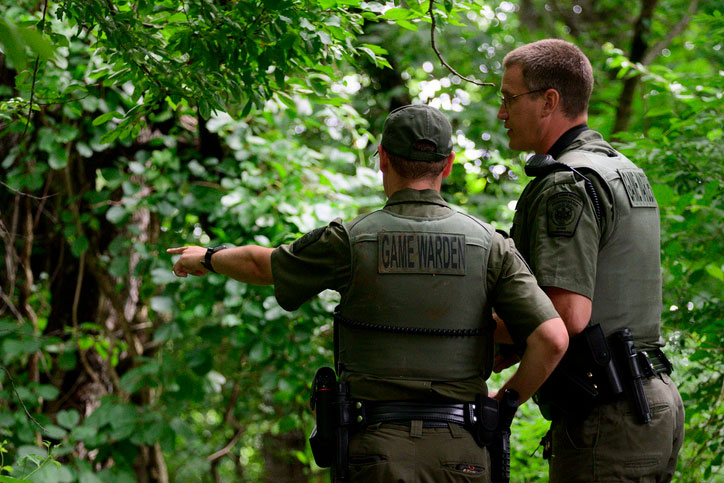
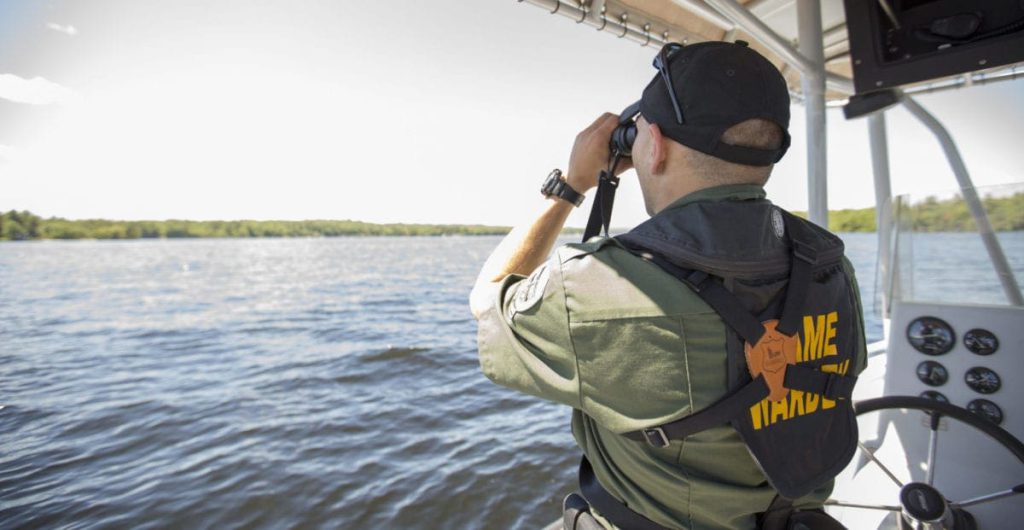
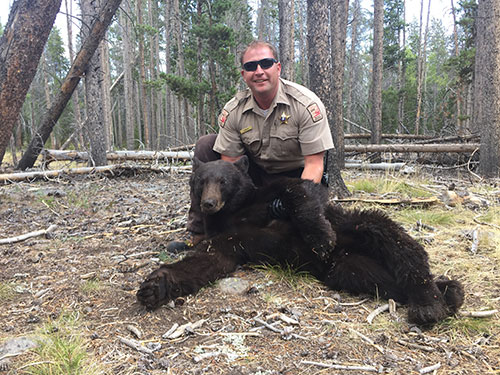
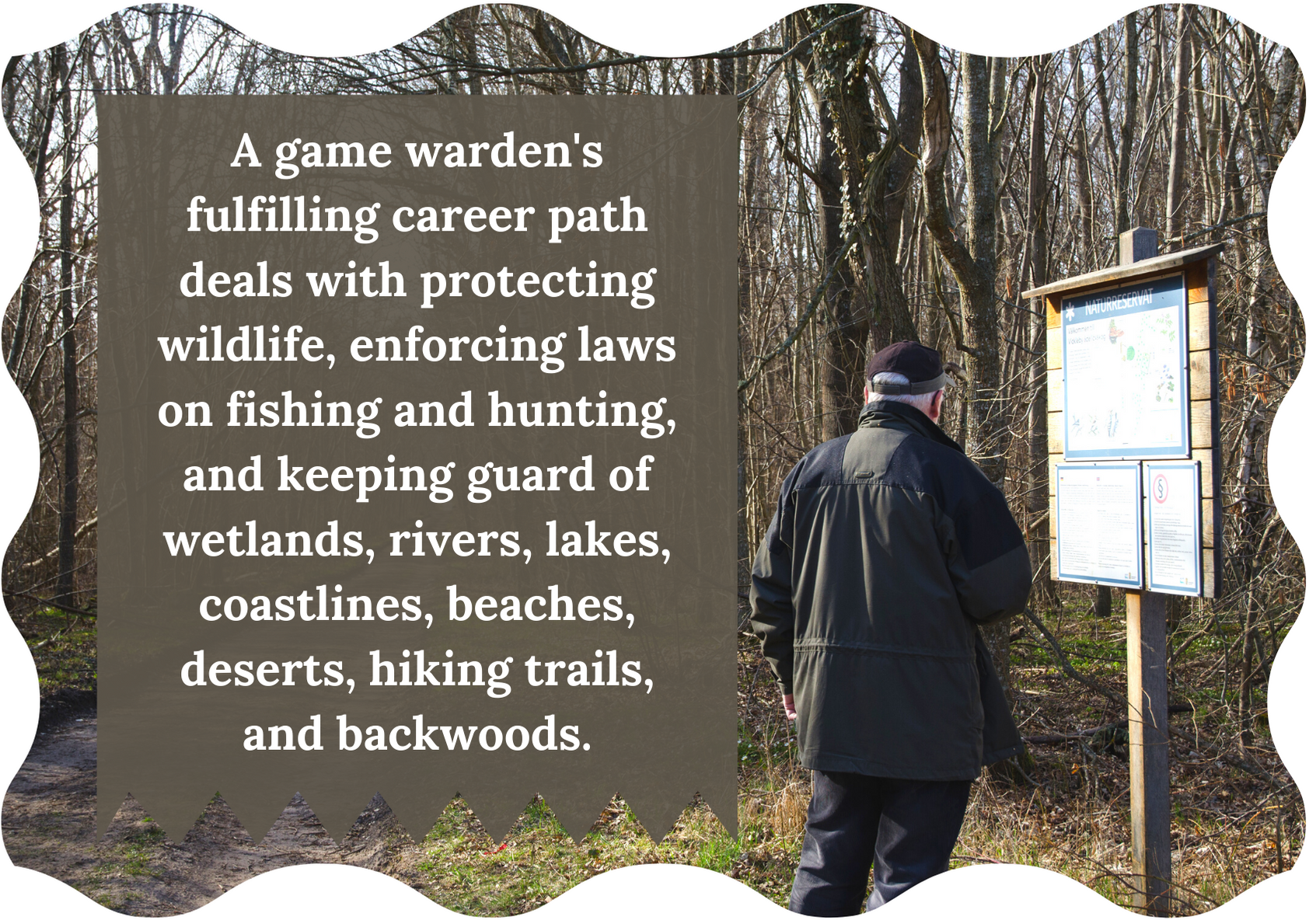
A game warden, often known as a wildlife officer or conservation officer, serves as a fully sworn law enforcement officer with a specialized focus on natural resources. Their primary mission involves enforcing laws and regulations related to hunting, fishing, boating, and environmental protection. This means they're out in the field—patrolling vast terrains, investigating violations, responding to wildlife emergencies, and educating the public on conservation efforts. It's a dynamic role that can shift from search and rescue to complex investigations, requiring adaptability and a broad skill set. Just like in a complex open-world game, they manage diverse tasks in varied environments.
Why Should a Gamer Consider a Game Warden Career? The Ultimate Challenge
For many gamers, the appeal of challenging puzzles, strategic decision-making, and making a real impact is huge. A game warden career offers exactly that, but in the most immersive "graphics" available: the real outdoors. If you enjoy problem-solving under pressure, mastering new "skills" like tracking or navigation, and contributing to a vital "guild"—the conservation community—this role could be incredibly rewarding. It provides a profound sense of purpose that can be hard to match in a virtual world. Furthermore, it offers a fantastic way to balance screen time with meaningful outdoor engagement, something many adult gamers are actively seeking for stress relief and well-being.
What Education Is Required to Become a Game Warden? Leveling Up Your Knowledge
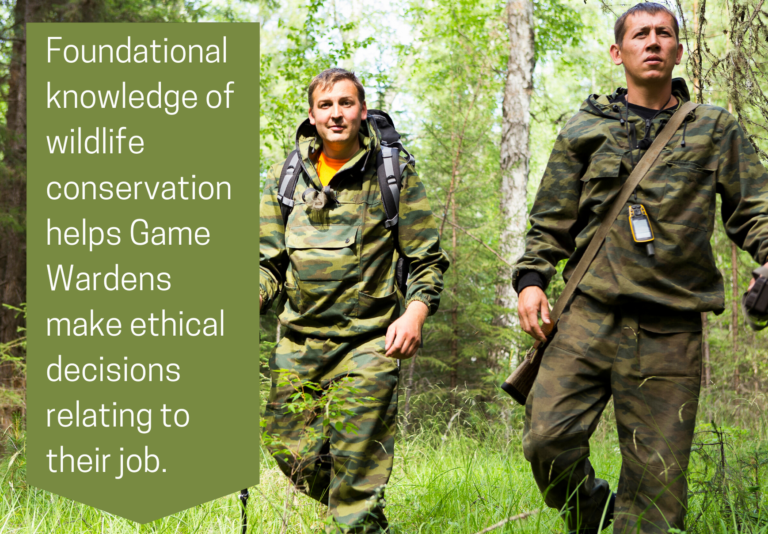
The baseline educational requirement for a game warden typically involves a high school diploma or GED. However, to be competitive and prepare for the complexities of the role, most agencies prefer or require higher education. A bachelor's degree in criminal justice, wildlife management, natural resource management, environmental science, or a related field is highly advantageous, and often mandatory. Some states may accept an associate's degree combined with relevant experience. Think of this as choosing your character class and building your foundational stats before diving into the main campaign. Practical experience, such as internships or volunteer work with wildlife agencies, also provides valuable XP.
What Kind of Training Awaits a Future Game Warden? The Academy Grind
Once you meet the educational prerequisites and pass initial screenings, you'll typically enter a rigorous training academy. This isn't your average tutorial level; it's an intensive period that combines traditional police academy training with specialized conservation law enforcement instruction. You'll cover topics like criminal law, evidence collection, defensive tactics, firearms proficiency, vehicle operations, and first aid. Additionally, you'll delve into wildlife identification, ecology, habitat management, boating laws, and advanced tracking techniques. This "boot camp" phase ensures you're equipped with both the law enforcement capabilities and the ecological understanding essential for the job. It’s an investment in your character build, preparing you for all scenarios.
Are There Strict Physical Requirements for Game Wardens? Ready for the Field?
Absolutely. Being a game warden is a physically demanding job that requires excellent stamina, strength, and agility. You'll be spending long hours outdoors, often in challenging terrain and extreme weather conditions. Agencies typically administer physical fitness tests that might include running, swimming, obstacle courses, and strength assessments. Think of it as preparing for a high-level boss fight – you need to be in peak condition to handle the unpredictable nature of the wild. Maintaining a healthy lifestyle and regular exercise routine is crucial for success, not just in the application process but throughout your entire career.
What Key Skills Make an Effective Game Warden? Beyond the Stat Sheet
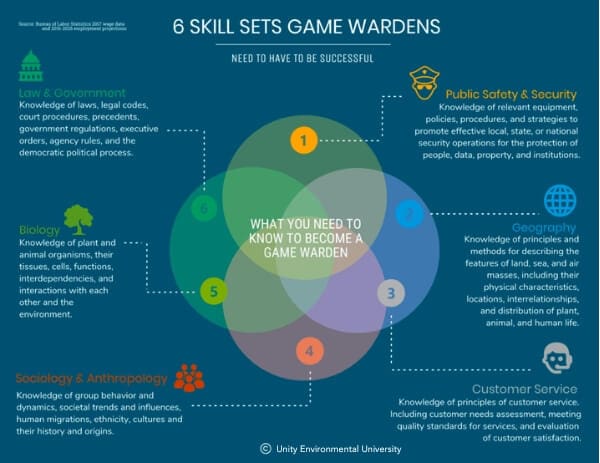
Beyond formal education and physical prowess, a game warden needs a diverse set of soft and hard skills. Here are some critical ones:
- Observation and Attention to Detail: Crucial for spotting violations or signs of distress in the wilderness, much like noticing subtle clues in an intricate puzzle game.
- Problem-Solving and Critical Thinking: Essential for navigating complex legal situations, emergency scenarios, and resource management challenges.
- Communication Skills: You'll interact with the public, other agencies, and sometimes confrontational individuals. Clear and calm communication is key.
- Self-Reliance and Decision-Making: Often working alone in remote areas, game wardens must make sound judgments quickly.
- Patience and Persistence: Investigations can be long, and surveillance requires immense patience.
- Knowledge of Wildlife and Ecology: Understanding animal behavior, habitats, and environmental systems is fundamental.
- Integrity and Ethics: Upholding the law and maintaining public trust is paramount.
- Firearms Proficiency: Regular training and safe handling are non-negotiable for law enforcement duties.
Many of these skills – strategic planning, quick reflexes, and teamwork (even if remote) – are honed in gaming. It's about translating those virtual competencies into real-world effectiveness.
How Do I Apply to Become a Game Warden? Your Next Mission Briefing
The application process for game warden positions is comprehensive and varies by state and agency, but generally includes:
- Online Application: Start by researching state wildlife or conservation departments.
- Written Examination: Tests knowledge in areas like law enforcement, English, and sometimes natural sciences.
- Physical Fitness Test: As mentioned, this is a non-negotiable hurdle.
- Background Investigation: A thorough check of your criminal, financial, and personal history. Honesty is crucial.
- Psychological Evaluation: To assess suitability for law enforcement duties.
- Oral Interview Board: An opportunity to demonstrate your communication skills and passion for the role.
- Medical Examination: Ensuring you are fit for duty.
Each step is like completing a quest chain, designed to ensure only the most dedicated and qualified individuals make it through. Persistence and meticulous preparation are your best assets here.
What is the Career Outlook for Game Wardens? Is It a Sustainable Grind?
The career outlook for game wardens is generally stable, though competition can be high due to the appealing nature of the job. The Bureau of Labor Statistics projects slower than average growth for police and detectives, which includes game wardens, but environmental concerns and population growth in many areas ensure a continuing need for these essential officers. Salaries vary significantly by state, experience, and agency, but typically range from $45,000 to $70,000 annually, with benefits often including health insurance, retirement plans, and paid time off. For those passionate about conservation, it offers a career that is rich in personal fulfillment and community impact, far beyond monetary rewards.
Is Becoming a Game Warden Worth the XP Grind?
For individuals who genuinely love the outdoors, have a strong sense of duty, and are prepared for a challenging law enforcement career, the answer is a resounding yes. It's a career where every day presents new "missions" and the opportunity to protect precious natural resources. While the training and application process can be lengthy and demanding, the rewards—the satisfaction of contributing to conservation, the variety of work, and the unique connection to nature—are profound. It's not just a job; it's a lifestyle, and for many, it's the ultimate real-life quest.
What are the biggest challenges of being a game warden?
Game wardens face challenges such as working in isolated areas, confronting armed individuals, dealing with harsh weather, long hours, and the emotional toll of wildlife emergencies. It requires resilience and strong problem-solving skills, much like overcoming a particularly difficult game boss or navigating a tricky map.
Can you become a game warden with a criminal record?
Generally, a criminal record, especially for felonies or serious misdemeanors, will disqualify an applicant. Agencies require impeccable background checks for law enforcement positions. Minor infractions might be evaluated on a case-by-case basis, but a clean record is almost always essential.
How long does game warden academy training last?
The duration of game warden academy training varies, but typically ranges from 16 weeks to over 6 months. This intensive period combines general law enforcement training with specialized conservation topics, preparing recruits for diverse field duties.
What's the difference between a park ranger and a game warden?
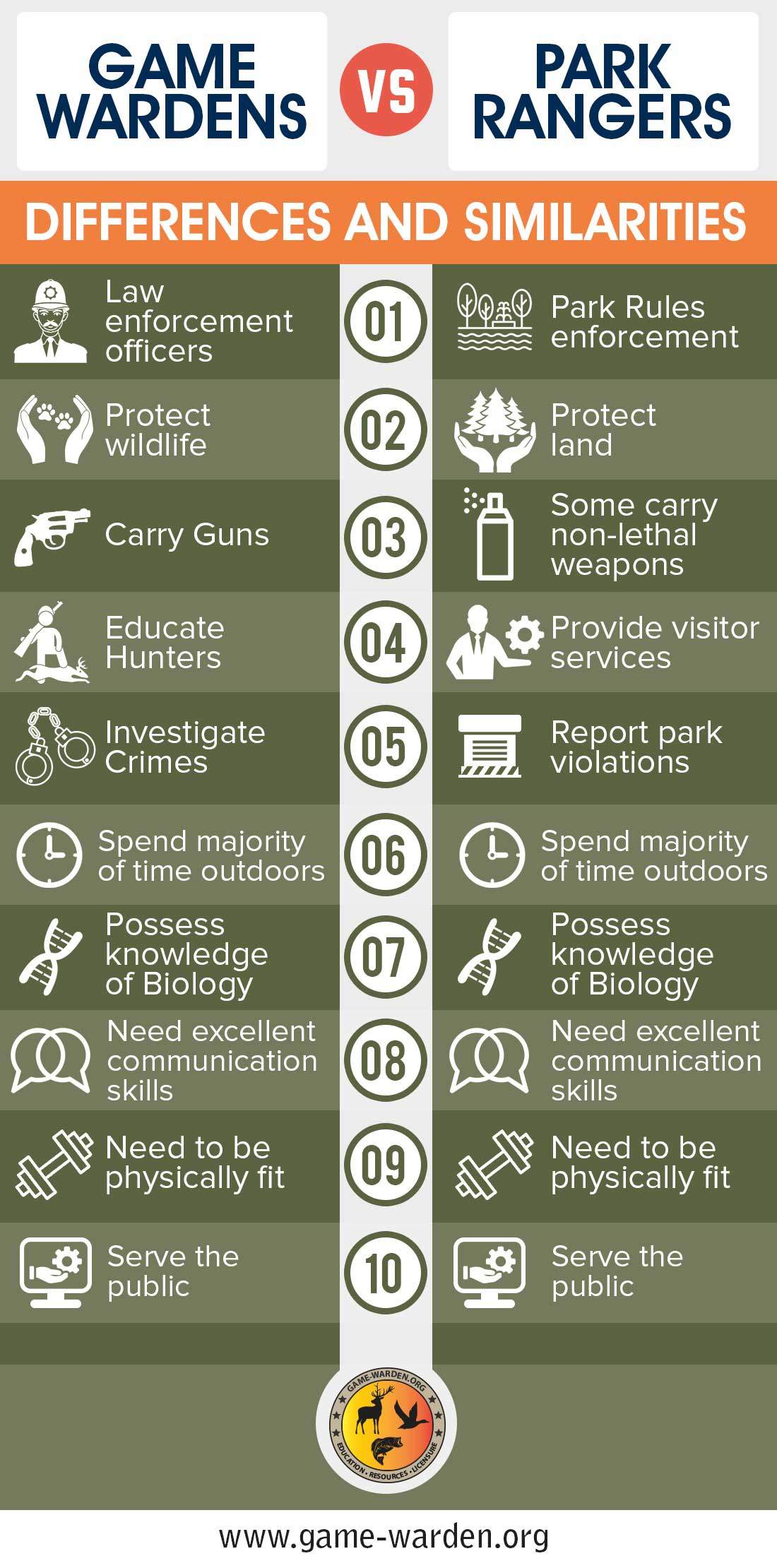
While both work outdoors, a game warden is a sworn law enforcement officer primarily focused on enforcing hunting, fishing, and environmental laws. A park ranger focuses more on park management, visitor services, interpretation, and often general law enforcement within park boundaries. Their core responsibilities and legal authorities differ.
So, fellow gamers, are you ready to trade your virtual joystick for a real-world compass? The path to becoming a game warden is challenging, but immensely rewarding for those with the dedication and passion. It's a chance to apply your strategic thinking, observation skills, and resilience to protect the very environments that inspire many of our favorite virtual worlds. What's your biggest gaming challenge that prepared you for a real-life mission like this? Comment below and share your thoughts!
Education requirements for game wardens, rigorous training programs for wildlife officers, essential physical fitness standards, legal knowledge in conservation, field survival skills, communication and public relations, commitment to wildlife protection, law enforcement duties in natural environments.
35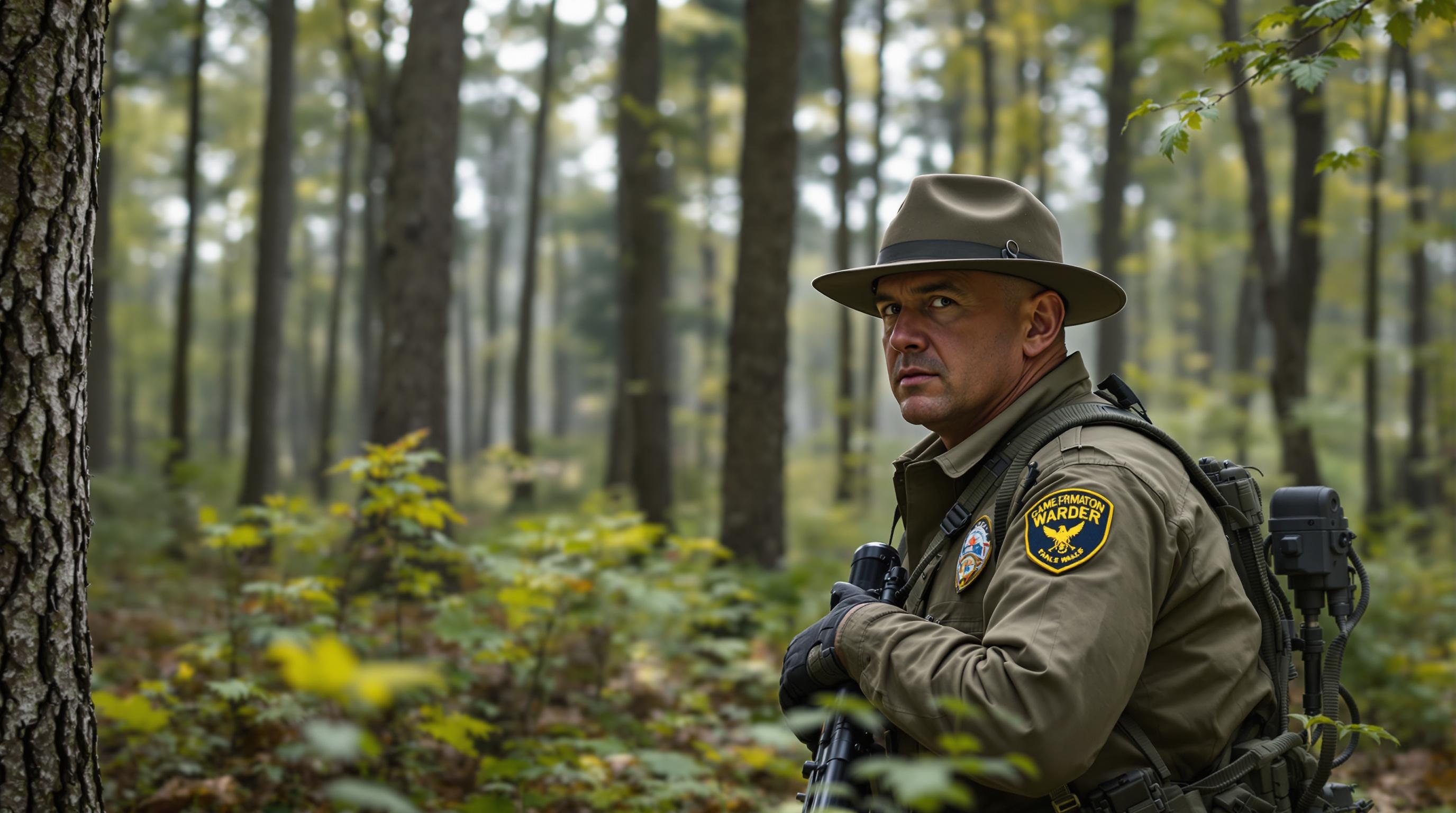

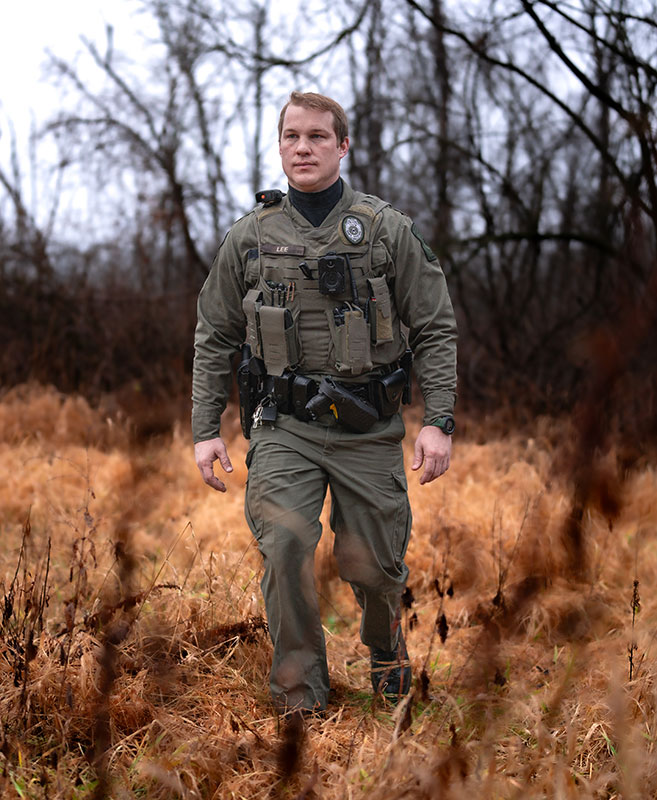
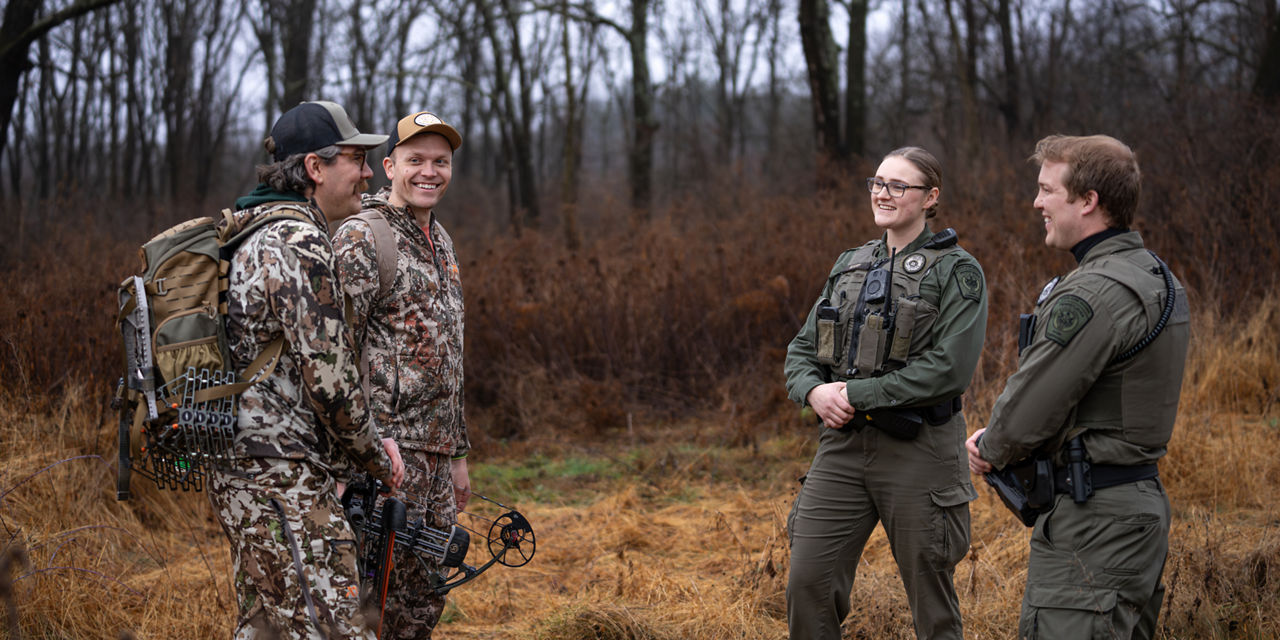
How To Become A Game Warden Game Warden On Patrol In Forest . How To Become A Game Warden Unity University Skill Sets Of Game Wardens Infographic . Our Impact Texas Parks And Wildlife Foundation GearUpR7D4 021 1536x1024 . Be Safe Out There Recruitment Effort Underway For State Game Wardens DN TTD LUZ 13 . Game Warden Salary Warden 1



Want To Be A Texas Game Warden Deadline To Apply Is December 15 Attachment Attachment Game Warden Training . AGFC Recruiting Next Class Of Game Warden Cadets Mountain Home Observer Game Wardens . Cadet Applicant FAQ Game Commission Of Warden 2 1. How Do I Become A Game Warden Most States Open Recruitment One Or Two NICOLE LEONARD 2039 Preview . The Path To Game Warden NREM Provides Curriculum To Prepare Graduates Cj26 2 Header


Apply To Become An AGFC Game Warden Arkansas Game Fish Commission WARDEN PAIR . 2026 How To Become A Fish And Game Warden Research Com How To Become A Fish And Game Warden 78602e0ac8 . Kentucky Department Of F WR Seeks Game Wardens Open For Game Wardens 300x300 . Game Warden Salary Work Conditions GameWarden Org Two Game Wardens On Job . Apply Today Become A State Game Warden Gamewarden 1080x1080 01 Crop



BECOME A GAME WARDEN Montgomery County Police Reporter 595145393 N . 16 Game Warden Recruits Begin Training News Com . Best Bachelor S Degrees For Becoming A Game Warden In 2021 Game Warden Fact 2 768x534 . How To Become A Game Warden Unity University Law Masters Program 1 Scaled 1 1024x530 . Game Commission Actively Recruiting New Wardens Tri Game Warden

Game Warden GameWarden Org IMG 0171 . How To Become A Game Warden Salary Game Warden Hero 750x350 1 . What S The Difference Between Game Wardens And Park Rangers Difference Between Game Wardens Vs Park Rangers . Game Warden GameWarden Org Homepage Panel Training 300x215 . How To Become A Game Warden 14 Steps With Pictures WikiHow Fitness V4 460px Become A Game Warden Step 7 Version 2




Game Warden Job Description Updated For 2026 Game Warden Job. Game Warden GameWarden Org Gw Us Map Gray . How To Become A Game Warden Unity University Game Warden Looking At Deer Scaled 1 . 2026 How To Become A Fish And Game Warden Research Com How To Become A Fish And Game Warden1 94b10be9fe . 10 Game Warden Resume Samples Templates For 2026 Game Warden 1677157848 Pdf


How To Become A North Carolina Game Warden At Ellis Shepherd Blog Game Warden Fact 1 . Apply To Become An AGFC Game Warden Mountain Home Observer Game Warden Dog . Guide To Becoming A Game Warden Warden My Future Job How To Become . Becoming A Game Warden Arkansas Game Fish Commission Game Warden . Washington State Game Wardens Will Wear Mandatory Body Cams Cowboy Washington Game Warden Body Cams 9.1.24