Navigating the dizzying array of PC components to find the perfect balance for your gaming rig can feel like a boss battle itself. For the average US gamer, around 36 years old, who juggles work, family, and life, those precious hours spent gaming are about relaxation, fun, and perhaps a little skill-building or social connection. You need performance that keeps pace with the latest titles without breaking the bank or requiring endless tweaking. This guide dives deep into "which Ryzen is best for gaming" in 2026, cutting through the hype to offer practical, actionable advice. We'll help you pinpoint the ideal AMD Ryzen CPU to optimize your gaming experience, ensure value for money, and keep you current with evolving game trends, addressing common pain points like performance drops, setup hurdles, and smart upgrade paths. Whether you are aiming for competitive esports dominance or immersive single-player adventures, understanding your Ryzen options is key to a smooth, enjoyable, and stress-free gaming life. This information is vital for gamers who seek performance optimization and value for their hard-earned money.
Related games- Mastering User Created Roblox Scripts Guide
- How to Play Roblox Piggy: Your Ultimate Survival Guide
- Guide Best Roblox Knight Games Conquer Realms
- Guide Are You Friends With David Roblox
- Guide to Roblox Executers: Understanding the Basics
Which Ryzen is truly the best for competitive esports gaming?
For competitive esports where every frame counts, the AMD Ryzen 7 7800X3D stands out as the best choice. Its 3D V-Cache technology delivers unparalleled gaming performance, especially in titles sensitive to cache size. It offers a fantastic balance of raw speed and efficiency, ensuring you stay ahead in fast-paced games without excessive power draw, making it a favorite for serious gamers.
Can a mid-range Ryzen CPU handle 1440p gaming smoothly in 2026?
Absolutely. A mid-range Ryzen CPU like the Ryzen 7 7700 or Ryzen 5 7600 is perfectly capable of delivering smooth 1440p gaming experiences in 2026, especially when paired with a capable mid-to-high-end GPU. These CPUs offer excellent core counts and single-core performance for most modern titles, ensuring a balanced system that provides great value without compromises on visual fidelity or frame rates.
What Ryzen is recommended for gamers who also stream or create content?
For gamers who frequently stream their gameplay or engage in content creation alongside gaming, a Ryzen 9 series CPU such as the Ryzen 9 7900X or 7950X is highly recommended. These processors boast a higher core and thread count, allowing them to efficiently manage demanding tasks like live streaming, video editing, and 3D rendering in the background without significantly impacting your gaming performance. The extra threads ensure smooth multitasking.
Is it worth upgrading to the latest Ryzen generation for gaming if I have an older system?
Upgrading from an older Ryzen generation (e.g., Ryzen 3000 or 2000 series) to the latest Ryzen 7000 series offers significant performance improvements, especially in gaming. The move to the AM5 platform brings DDR5 RAM and PCIe 5.0 support, which are crucial for future-proofing your system and maximizing frame rates in modern titles. For gamers seeking substantial gains and access to the latest technologies, the upgrade is definitely worth considering.
What's the most budget-friendly Ryzen CPU that still offers a good gaming experience?
For gamers on a tighter budget who still want a solid gaming experience, the AMD Ryzen 5 7600 is an excellent choice. It offers impressive single-core performance crucial for gaming and is built on the latest AM5 platform, ensuring future upgrade potential. When paired with a mid-range GPU, it can comfortably run most modern games at 1080p and even some at 1440p with adjusted settings, providing great bang for your buck.
How important is RAM speed when choosing a Ryzen CPU for gaming?
RAM speed is quite important for Ryzen CPUs, particularly for gaming performance. Ryzen processors benefit significantly from faster RAM, with DDR5 memory in the 6000MHz sweet spot often recommended for the 7000 series. Faster RAM reduces latency and improves inter-core communication, leading to higher minimum frame rates and overall smoother gameplay, making it a critical component to pair wisely with your chosen Ryzen CPU.
Why do some Ryzen CPUs have 'X3D' in their name, and what does it mean for gaming?
The 'X3D' designation in Ryzen CPUs, like the Ryzen 7 7800X3D, signifies the inclusion of AMD's 3D V-Cache technology. This innovation adds an extra layer of L3 cache directly on top of the CPU die, dramatically increasing the available cache for games. For gaming, this translates to significantly lower latency and a substantial boost in frame rates, especially in titles that are highly dependent on CPU cache for optimal performance.
Life as a modern gamer often feels like a balancing act. You're likely an average 36-year-old, like the majority of US gamers, juggling a demanding job, family commitments, and that ever-present desire to unwind with your favorite digital worlds. Those precious few hours you carve out for gaming each week? They're sacred. You want them to be fluid, immersive, and free from frustrating performance hitches or lengthy setup issues. You're not looking for hype; you're looking for solutions that deliver real value, optimal performance for your dollar, and a system that keeps pace with today's trends without needing a complete overhaul every year.
With 87% of US gamers regularly diving into their favorite titles, often spending 10 or more hours weekly, and with social gaming continuing its dominance on platforms like Discord, your rig needs to deliver. Whether you're chasing that elusive ranked win, exploring a vast open world, or just enjoying a cozy game with friends, the heart of your PC – the CPU – is paramount. That's why the question "which Ryzen is best for gaming" isn't just about raw specs; it's about finding the perfect fit for your lifestyle, your budget, and your gaming goals. This comprehensive guide will cut through the noise, offering practical advice and clear answers to help you make an informed decision and maximize every minute you spend gaming in 2026.
This month, we've seen continued trends in cross-play, free-to-play titles thriving, and a consistent demand for hardware that can keep up with graphically intensive releases while supporting multitasking like streaming or quick alt-tabbing for guides. Let's explore how AMD Ryzen CPUs address these needs directly, ensuring your investment enhances your gaming life, not complicates it.
What Factors Determine the Best Ryzen for Gaming?
When deciding "which Ryzen is best for gaming", it is not a one-size-fits-all answer. Several key factors come into play, especially for gamers who need to balance performance with real-world constraints like budget and time. Understanding these aspects will guide you to a CPU that truly meets your needs without overspending or underperforming.
- Game Type and Resolution: Are you playing competitive esports titles at 1080p where high frame rates are paramount, or immersive AAA games at 1440p/4K where graphical fidelity matters more? Competitive games often benefit from higher single-core performance and cache (hello, X3D!), while higher resolutions become more GPU-bound.
- Budget: This is a constant reality for many gamers balancing life. Ryzen offers excellent processors across various price points, from entry-level to high-end. Defining your budget upfront helps narrow down your options significantly. Remember to factor in the cost of a compatible motherboard and RAM as well.
- Multitasking Needs: Do you only game, or do you also stream, edit videos, or run other demanding applications simultaneously? If you're a content creator or a live streamer (a growing trend among US gamers, many using Discord for community), you'll need more cores and threads than a pure gaming machine.
- Future-Proofing: How long do you want this CPU to last before needing an upgrade? The AM5 platform, used by Ryzen 7000 series, offers excellent longevity, supporting future CPU generations and DDR5 RAM. Investing in a newer platform often means more upgrade options down the line.
- Cooling Solution: Powerful CPUs generate heat. Ensure you have an adequate cooling solution (air or liquid cooler) in your budget, as proper thermal management is crucial for sustained performance and CPU longevity.
By considering these factors, you can align your choice of Ryzen CPU with your specific gaming habits and broader tech needs.
Which Ryzen CPUs Are Top Tier for Competitive Gaming and Streaming in 2026?
For the serious gamer who demands maximum frames per second (FPS) in competitive titles like Valorant, Apex Legends, or Call of Duty, or for those who want to stream their gameplay without any hitches, certain Ryzen CPUs stand head and shoulders above the rest. The keyword here is uncompromising performance and efficiency, a balance that the latest Ryzen 7000 series has mastered.
The undisputed champion for pure gaming performance in 2026 remains the AMD Ryzen 7 7800X3D. This CPU leverages AMD's revolutionary 3D V-Cache technology, stacking a massive amount of L3 cache directly onto the CPU die. This leads to significantly lower latency and a substantial boost in frame rates, particularly in games that are CPU-bound or cache-sensitive. For many adult gamers, this means making the most of limited playtime by ensuring the smoothest, most responsive experience possible. It is efficient and does not demand excessive cooling, making it a relatively straightforward choice for a high-performance gaming build.
If you're a gamer who also streams frequently, creates content, or runs other demanding applications in the background, then the AMD Ryzen 9 7900X or the flagship Ryzen 9 7950X become highly attractive options. While the 7800X3D excels in raw gaming, these Ryzen 9 CPUs offer a higher core and thread count (12 cores/24 threads for the 7900X, 16 cores/32 threads for the 7950X). This extra processing power is invaluable for handling simultaneous tasks like:
- Live game streaming with high-quality encoding
- Video editing and rendering your gameplay highlights
- Running virtual machines or complex productivity suites
- Heavy multitasking while gaming (e.g., Discord, browser, background apps)
Both the Ryzen 9 CPUs still deliver exceptional gaming performance, often only a few percentage points behind the 7800X3D in pure gaming, but their superior multi-core capabilities make them the better overall choice for the hybrid gamer/creator. This balance ensures you don't sacrifice your job or family duties for your passion, but rather integrate them effectively.
What is the Best Value Ryzen for Mainstream Gamers Today?
Most gamers aren't chasing every last FPS in competitive esports, nor are they professional streamers. The majority are mainstream gamers, much like our target audience of busy adults, who want excellent performance, smooth gameplay at 1080p or 1440p, and great value for their money. For these users, the question of "which Ryzen is best for gaming" shifts towards a sweet spot of performance, cost, and platform longevity.
The standout recommendation for mainstream gamers in 2026 is the AMD Ryzen 5 7600 or its slightly boosted counterpart, the Ryzen 5 7600X. These 6-core, 12-thread CPUs offer phenomenal gaming performance for their price point, often rivaling older, more expensive high-end processors. They are built on the modern AM5 platform, which means you get:
- DDR5 RAM Support: Essential for modern gaming and future applications.
- PCIe 5.0 Support: Ready for the next generation of GPUs and NVMe SSDs, ensuring your system remains current.
- Excellent Upgradability: The AM5 socket is expected to support future Ryzen CPU generations, meaning you can upgrade your CPU without replacing your motherboard for years to come.
The Ryzen 5 7600 series comfortably handles most modern AAA titles at 1080p and 1440p when paired with a mid-range to high-end graphics card. It offers a fantastic balance that allows you to allocate more of your budget towards a more powerful GPU, which is often the primary driver of frame rates at higher resolutions. This CPU represents smart spending, ensuring you get a robust gaming experience without feeling like you've overspent on a component you don't fully utilize.
For those looking for an even better deal, keeping an eye on previous generation Ryzen 5000 series CPUs (like the Ryzen 5 5600X or 5800X3D) on sale can also provide incredible value, though they will be on the older AM4 platform, limiting future upgrade paths.
Are Budget Ryzen CPUs Good Enough for Casual Gaming and Older Titles?
Not every gamer needs a top-of-the-line processor. For casual gamers, those who primarily play older titles, indie games, or less graphically demanding esports, or individuals looking for a solid entry point into PC gaming, budget Ryzen CPUs offer compelling performance and value. The goal here isn't to hit 200+ FPS, but to enjoy a smooth, stable experience without breaking the bank.
For budget-conscious gamers, CPUs like the AMD Ryzen 5 5500 or even the Ryzen 3 4100/4300G (if integrating graphics is key) from previous generations can still provide a surprisingly good experience. While not on the latest AM5 platform, these AM4 chips are incredibly affordable and can be paired with equally budget-friendly motherboards and DDR4 RAM. They are perfect for:
- Playing popular free-to-play titles (e.g., Fortnite, League of Legends, CS2)
- Enjoying indie games that prioritize art style over raw graphical power
- Revisiting classic games or exploring a vast backlog of older AAA titles
- Building a secondary PC for casual couch gaming or a family-friendly setup
Even the latest AM5 platform offers the Ryzen 5 7500F in some markets, which is a slightly cut-down version of the 7600 without integrated graphics, providing a very affordable entry into the new platform if available. These budget options allow you to balance your gaming passion with financial responsibilities, ensuring you can still de-stress and have fun without a significant investment.
The key for budget builds is pairing these CPUs with an appropriate, often also budget-friendly, GPU. A processor like the Ryzen 5 5500, when paired with a GPU like an RX 6600 or RTX 3050, can deliver fantastic 1080p performance in many games, making it a very practical choice for value-focused gamers.
How Does Ryzen Compare to Intel for Gaming Performance in 2026?
The long-standing rivalry between AMD Ryzen and Intel Core continues to fuel innovation, and in 2026, both brands offer formidable processors for gaming. The question "which Ryzen is best for gaming" often comes with an unspoken comparison to its blue team competitor. For today's busy gamer, understanding these differences helps in making an informed decision that suits their specific needs and budget.
Historically, Intel often held a slight edge in pure single-core gaming performance, while AMD excelled in multi-core tasks. However, with the latest generations, this gap has significantly narrowed, and in some cases, AMD has taken a definitive lead, particularly with its X3D series.
- Gaming Performance: For raw frame rates in games, the Ryzen 7 7800X3D is often the outright winner, consistently beating even Intel's top-tier i9 processors in many titles, thanks to its 3D V-Cache. For non-X3D Ryzen CPUs, the performance is very competitive, often trading blows with Intel's latest offerings.
- Multi-core Performance: Both brands offer excellent multi-core performance. AMD's Ryzen 9 series (7900X, 7950X) often provides a higher core count for professional-grade content creation and heavy multitasking, making them superb for gamer-creators. Intel's hybrid architecture with performance and efficiency cores also delivers strong multi-threaded results.
- Platform Longevity: AMD's AM5 platform, introduced with the Ryzen 7000 series, is designed for longevity, promising support for future CPU generations. This is a significant advantage for gamers who want to upgrade their CPU down the line without replacing their motherboard. Intel frequently changes its socket, which can mean higher upgrade costs.
- Power Efficiency: Recent Ryzen generations, especially the X3D models, tend to be more power-efficient than their Intel counterparts, particularly under gaming loads. This means less heat, potentially quieter cooling solutions, and lower electricity bills, which is always a bonus.
- Value Proposition: AMD has consistently offered strong performance per dollar, especially in the mid-range. While Intel also has compelling options, Ryzen often provides a more balanced package regarding gaming, multi-core, and platform value.
Ultimately, both AMD and Intel offer excellent choices, but for pure gaming dominance, especially with its platform longevity, the Ryzen 7 7800X3D is hard to beat. For those who prioritize platform stability and predictable upgrade paths, Ryzen on AM5 makes a very strong case.
What About Future-Proofing and Upgradability with Ryzen?
For the average gamer who values their investment and wants to stay current without constantly buying new hardware, future-proofing and upgradability are crucial considerations. This is where AMD's strategy with the Ryzen platform often shines, offering a distinct advantage that directly addresses a common pain point: the high cost and hassle of frequent system overhauls.
When we talk about "which Ryzen is best for gaming" in the context of longevity, the conversation inevitably turns to the AM5 platform. With the introduction of the Ryzen 7000 series, AMD transitioned to this new socket, bringing with it support for DDR5 RAM and PCIe 5.0. The significant promise from AMD is that the AM5 socket will be supported for several generations of Ryzen CPUs, similar to how long the previous AM4 platform lasted.
What does this mean for you, the gamer? It means:
- Longer Component Lifecycle: You can invest in an AM5 motherboard and DDR5 RAM today with confidence that you'll likely be able to upgrade your CPU to a newer, more powerful Ryzen chip in 2-3 years without needing to buy a new motherboard. This saves significant money and reduces waste.
- Next-Gen Ready: PCIe 5.0 lanes on AM5 motherboards mean your system is ready for the fastest NVMe SSDs and potentially next-generation graphics cards that will fully leverage this bandwidth. This ensures your gaming rig won't be a bottleneck for future component upgrades.
- Better Value Over Time: While the initial investment in an AM5 system (CPU, motherboard, DDR5 RAM) might be slightly higher than an older AM4 or a comparable Intel setup, the long-term cost of ownership can be lower due to reduced upgrade frequency.
This strategy caters directly to gamers who balance life and budget, allowing them to enjoy modern titles and performance today while knowing their system has a clear, affordable upgrade path for the future. You get to stay current with gaming trends without the constant financial pressure of a complete system rebuild.
Of course, "future-proof" doesn't mean forever-proof. Technology evolves rapidly. But with AM5, AMD offers a significant head start and a commitment to longevity that is highly appealing for discerning gamers looking for smart investments.
Do I Need a Specific Motherboard and RAM for My Ryzen Gaming CPU?
Yes, absolutely. The performance of your Ryzen gaming CPU isn't just about the chip itself; it's intricately linked to the motherboard and RAM you pair it with. Choosing the right complementary components is critical for unlocking your CPU's full potential and ensuring a stable, enjoyable gaming experience. This is a common setup issue for new builders, but it's simpler than it seems.
Motherboard Compatibility:
- For any Ryzen 7000 series CPU (e.g., 7800X3D, 7600), you must use a motherboard with an AM5 socket. There's no backward compatibility with older AM4 boards.
- AM5 chipsets include B650, B650E, X670, and X670E.
- B650/B650E: Excellent value for most gamers. B650E offers full PCIe 5.0 support for both the GPU and NVMe SSD, making it more future-proof. B650 usually offers PCIe 5.0 for NVMe but typically PCIe 4.0 for the GPU. For most gamers, B650 is perfectly fine.
- X670/X670E: These are higher-end boards with more connectivity, more PCIe lanes, and often more robust power delivery (VRMs) for extreme overclocking. X670E offers full PCIe 5.0 on both GPU and NVMe slots. They are generally overkill for pure gaming unless you need the extra features or plan on extreme overclocking.
- Ensure your chosen motherboard has enough USB ports, M.2 slots for SSDs, and other features you need.
RAM Compatibility and Speed:
- Ryzen 7000 series CPUs only support DDR5 RAM. You cannot use DDR4 RAM with an AM5 motherboard.
- AMD's Ryzen processors are known to benefit significantly from faster RAM speeds due to how their internal Infinity Fabric interconnect works.
- The current sweet spot for DDR5 RAM with Ryzen 7000 series is around 6000MHz with low CAS latency (e.g., CL30). This provides the best balance of performance and stability.
- Using RAM with significantly slower speeds (e.g., 4800MHz) can noticeably impact your minimum frame rates in games, especially CPU-bound titles.
- Always enable AMD EXPO (Extended Profiles for Overclocking) in your motherboard's BIOS/UEFI after installing your RAM. This will automatically configure your RAM to its advertised speed and timings, which is crucial for optimal Ryzen performance.
Ignoring these compatibility and optimization details can lead to performance problems, stability issues, or even a non-booting system. A little research here goes a long way in ensuring your Ryzen gaming build runs perfectly.
How Can I Optimize My Ryzen System for Peak Gaming Performance?
Even after selecting the best Ryzen for gaming and pairing it with appropriate components, a few optimization steps can further enhance your system's performance. For gamers who want every edge and seek to maximize their investment, these tricks can make a noticeable difference, especially in competitive titles where responsiveness is key.
- Enable AMD EXPO for RAM: As mentioned, this is crucial. Go into your motherboard's BIOS/UEFI and enable the EXPO profile for your DDR5 RAM to ensure it runs at its advertised speed and timings. This alone can provide a significant boost.
- Update BIOS/UEFI: Motherboard manufacturers frequently release BIOS updates that improve CPU compatibility, stability, and sometimes even performance. Always ensure your BIOS is up to date, especially after a new CPU generation release.
- Install Latest Chipset Drivers: Download the latest AMD chipset drivers directly from AMD's official website. These drivers optimize how your operating system interacts with your Ryzen CPU and motherboard, leading to better performance and power management.
- Graphics Card Drivers: Keep your GPU drivers updated. NVIDIA and AMD regularly release game-ready drivers that offer performance improvements and bug fixes for the latest titles.
- Power Plan Settings: In Windows, set your power plan to "High Performance" or "AMD Ryzen High Performance" (if available after installing chipset drivers). This ensures your CPU isn't throttling back when you need its full power during gaming.
- Close Background Applications: Before launching a demanding game, close unnecessary applications, browser tabs, and background processes. Less CPU and RAM usage by other apps means more resources for your game.
- Monitor Temperatures: Use software like HWMonitor or Ryzen Master to keep an eye on your CPU temperatures. High temperatures can lead to thermal throttling, where your CPU reduces its speed to prevent overheating, impacting performance. Ensure adequate cooling.
- Overclocking (for advanced users): While modern CPUs boost effectively out of the box, advanced users might explore CPU or RAM overclocking (e.g., using Ryzen Master's Curve Optimizer). Be cautious and research thoroughly, as incorrect settings can lead to instability.
By following these optimization tips, you can ensure your Ryzen gaming system is running at its absolute best, giving you that competitive edge or simply a smoother, more enjoyable experience during those well-deserved gaming sessions.
Which Ryzen is Best for Specific Game Genres and Workloads?
The
Choosing which Ryzen is best for gaming involves balancing budget, performance, and future-proofing. Top-tier Ryzen 7000 series CPUs excel in competitive titles and streaming, offering high core counts and impressive single-core speeds. Mid-range options provide exceptional value for mainstream gamers, delivering smooth 1440p performance without excessive cost. Even budget Ryzen chips handle casual gaming and older titles admirably. Factor in the AM5 platform's longevity for future upgrades, ensuring your investment lasts. Optimization tips, like fast RAM and proper cooling, are crucial for maximizing Ryzen's gaming potential. Modern Ryzen CPUs are highly efficient, offering great performance per watt.
35

What Ryzen CPU Is Best For Gaming 2026 Be Gaming PC Guru What Ryzen Cpu Is Best For Gaming Featured . 10 Best AMD Ryzen CPUs For Gaming June 2026 Processors Tested Best AMD Ryzen CPUs For Gaming 768x419 . Best Ryzen CPU For Gaming 2026 8 Models Tested Benchmarked Featured Image Amxcwp 1 . 6 Best Ryzen 7 CPU For Gaming March 2026 Reviews Featured Image Fjweds1j 300x210 . 15 Best AMD Ryzen CPUs For Gaming June 2026 Guide Best AMD Ryzen CPUs For Gaming


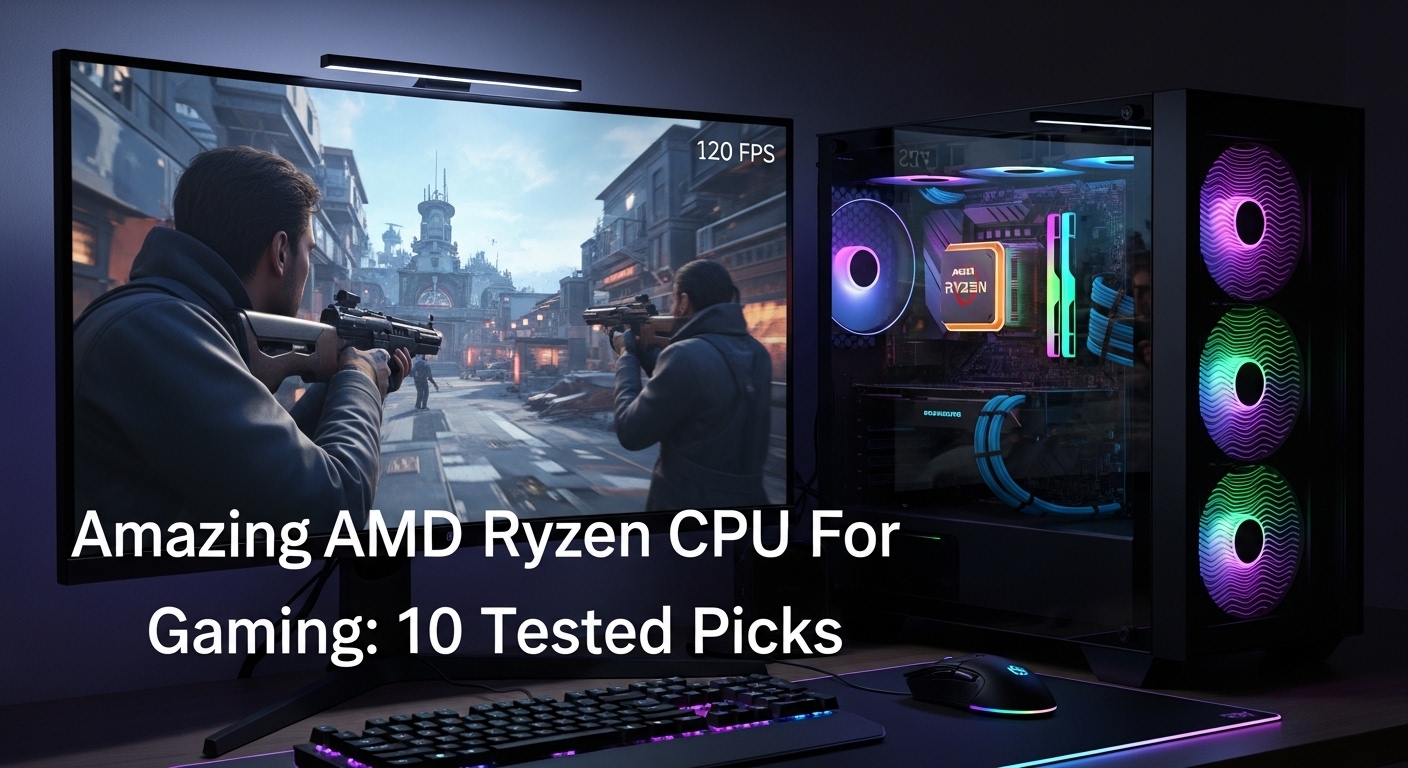
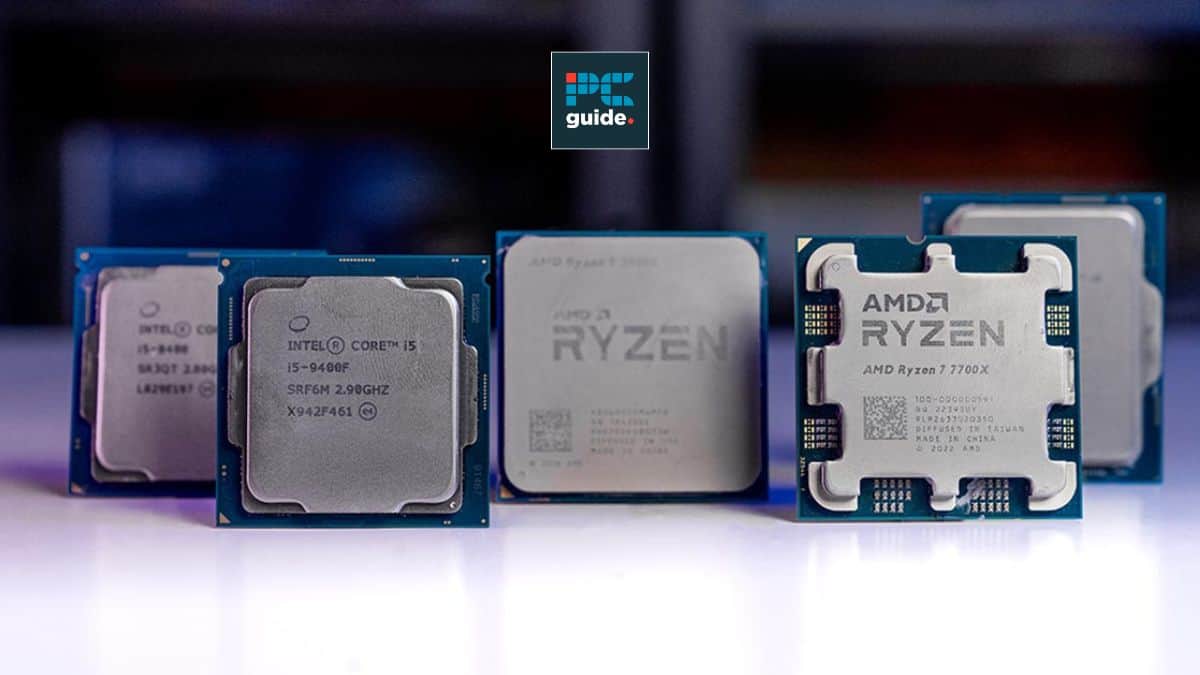
AMD Ryzen 9950X3D2 9850X3D 10000G Y 9600F En CES 2026 AMD Va Con Todo En El CES 2026 Ryzen 9 9950X3D2 9850X3D 10000G Y 9600F 2 . Gaming Power Best AMD Ryzen Processor In 2026 For Editing . Best Ryzen CPUs For Gaming 2026 Guide Sirius Power PC D8f3df64 F4bc 4f17 8836 . Amazing AMD Ryzen CPU For Gaming 2026 10 Processors Tested Amazing AMD Ryzen CPU For Gaming . Best AMD Ryzen APU In 2026 Our Top Picks PC Guide Samsung TV Remote Codes Featured Image 29


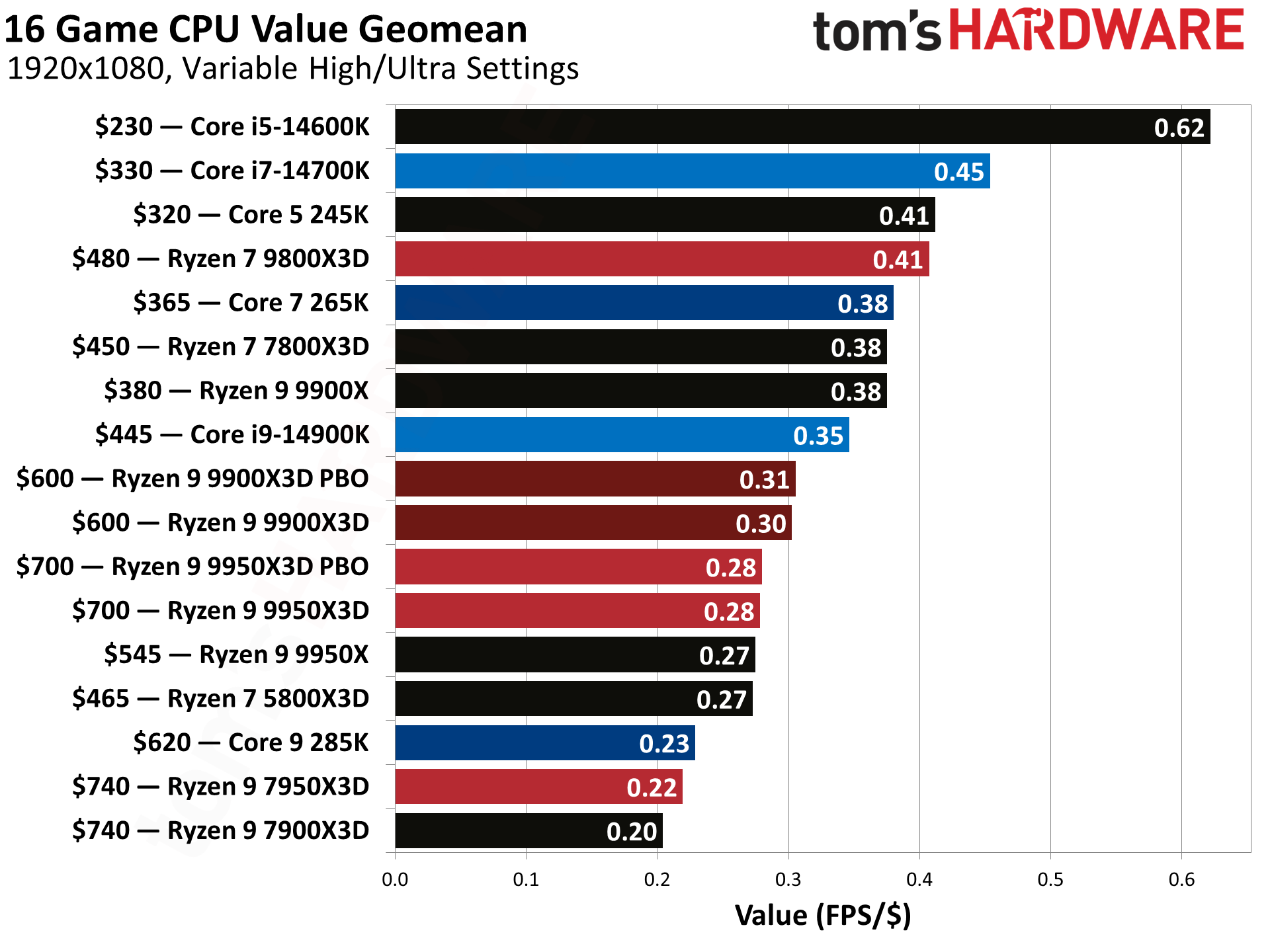

Best Ryzen Gaming CPUs In 2026 AM5 Champi Gaming PC Guru Best Ryzen Gaming Featured . Best Ryzen CPU Right Now 2026 8 Models Tested Best Ryzen CPU Right Now 1024x559 . Get An X3D For Less As One Of AMD S Best Gaming CPUs Hits An All Time . The 10 Best AMD Ryzen CPUs For Gaming In 2026 Reviewed Ranked Best AMZ Ryzen CPU For Gaming . Taipei TOP Gaming PC 2026 RYZEN 7 9800X3D RTX5080 16GB D7 32GB 6800MHZ 2222 2026 1200x1200


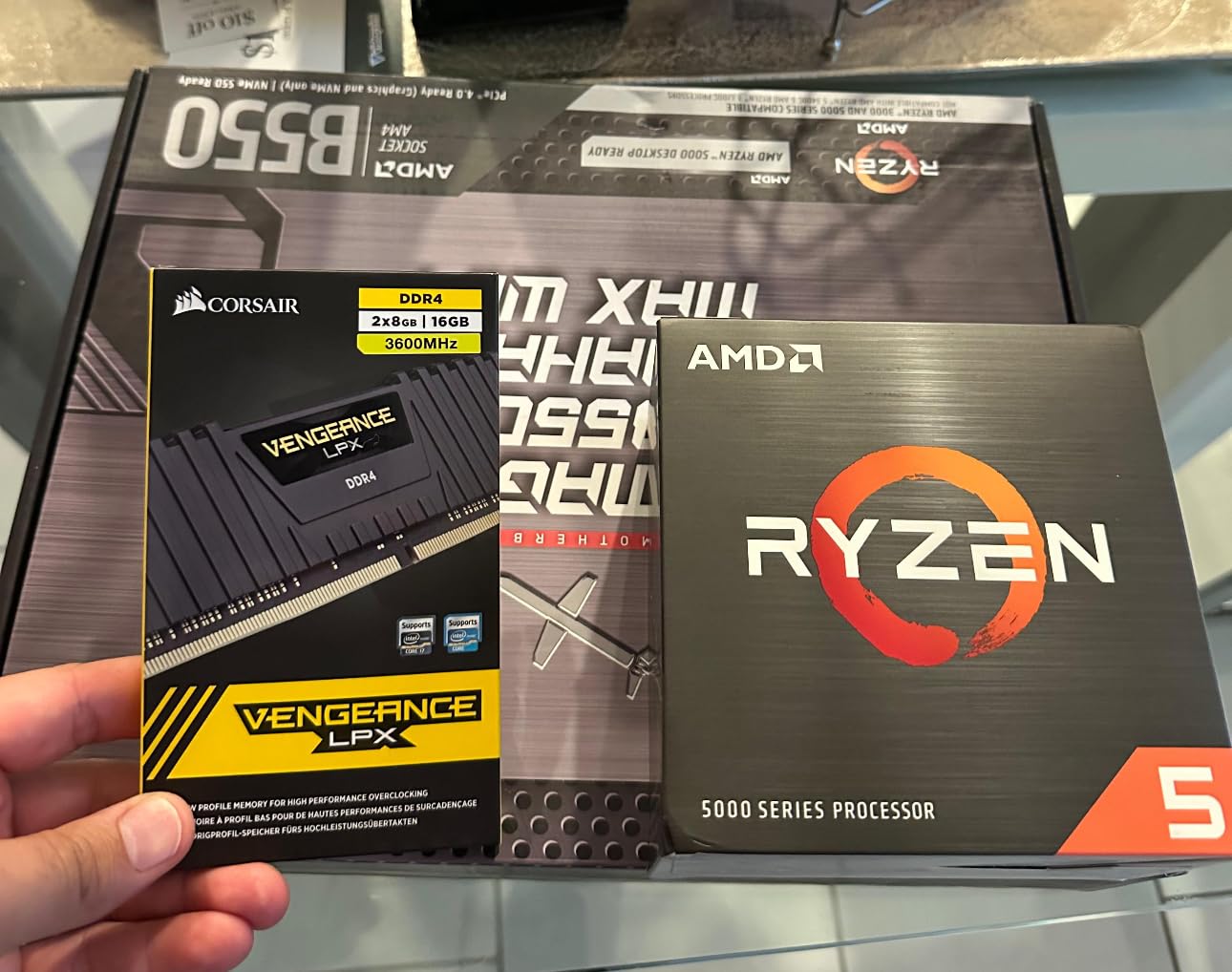

Best Motherboard For Ryzen 9 9950X3D 2026 PC Cores Best Motherboard For Ryzen 9 9950X3D 2025 PCCores.com . Best Ryzen CPU For Gaming 2026 8 Models Tested Benchmarked 31EzTuimorL . 10 Best AMD Ryzen CPUs For Gaming March 2026 Processors Tested B09VCJ171S Customer 1 . Best Ryzen 7000 Mini PC For Gaming In 2026 GEEKOM Ryzen 7000 Series Gaming Mini Pc.webp. Best Ryzen CPUs For Gaming In 2026 Top Picks Only WhalesDev AMD Ryzen 5 7600X



8 Best Gaming Ryzen CPU 2026 Tested Benchmarked 41kb8AbxbTL . 12 Best Ryzen CPU 2026 Tested For Gaming Performance Featured Image 33t5zbqv 300x210 . Best Budget GPU For Ryzen 5 5600 In 2026 The Ultimate Value Guide Gamers . Best AMD Processor For Gaming 2026 Ryzen Gaming PC Guru X3d Vs Non X3d Ryzen Vs Gaming 2026 Hero 800x500 . Best Ryzen Gaming CPUs In 2026 AM5 Champi Gaming PC Guru AC SL1500


10 Best Graphics Cards For Ryzen 5 5600G July 2026 Best Graphics Cards For Ryzen 5 5600G . 10 Best AMD Ryzen CPUs For Gaming March 2026 Processors Tested 31dFmBXJC3L . Best Ryzen CPUs For Gaming In 2026 Top Picks Only WhalesDev AMD Ryzen 7 9700X 1024x942 . Best RAM For Gaming 2026 DDR5 Speed T Gaming PC Guru Best Amd Ryzen 7 Gaming Pc 2026 800x500 . Best Gaming Laptops At CES 2026 RTX 5090 Options Dual Screen Picks Lenovo Legion Pro Rollable Concept


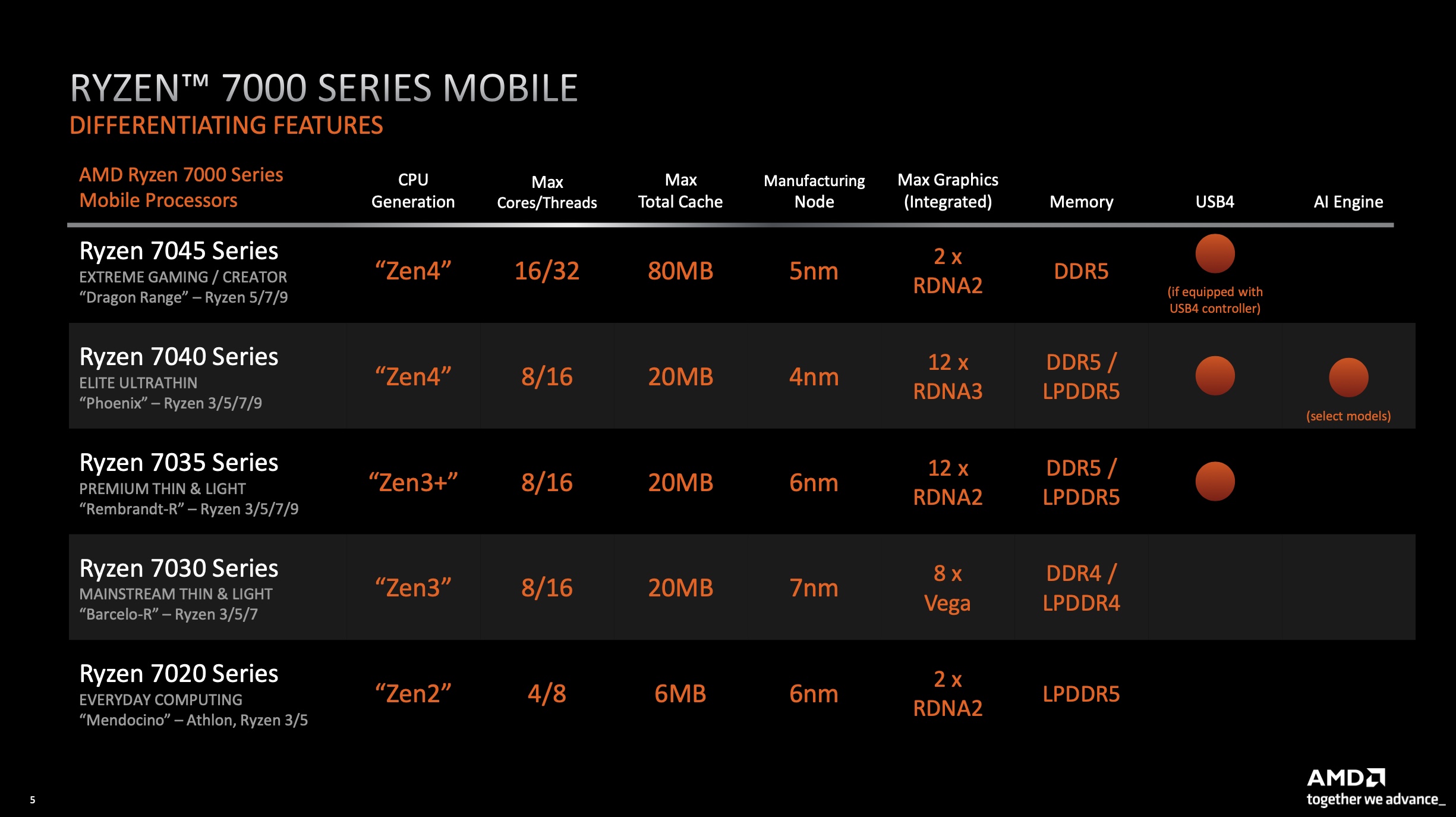


Best Ryzen CPUs For Gaming In 2026 Top Picks Only WhalesDev AMD Ryzen 7 7800X3D . 12 Best Ryzen CPU Right Now 2026 Tested Reviewed Featured Image C6zdzm T . Best Laptop CPUs Which One To Get In 2024 Ryzen Mobile . Complete List Of AMD Ryzen 2026 Processors AMD Ryzen 9000 2048x1024 . Best Ryzen CPUs For AM4 Socket You Must See 2026 Best Ryzen CPUs For AM4 Socket 1024x559