Navigating the world of laptop video cards in 2026 can feel overwhelming especially when you are balancing intense gaming sessions with a busy life. This comprehensive guide cuts through the noise offering clear actionable insights into the top laptop video cards available today. Whether you are a casual gamer looking for reliable performance after a long day or a competitive player seeking every frame advantage for your next esports match understanding your GPU is crucial. We explore the latest NVIDIA GeForce RTX and AMD Radeon RX mobile graphics options their strengths and weaknesses and how they impact your gaming experience from frame rates to visual fidelity and even battery life. Discover how to pick the perfect mobile GPU that aligns with your budget and gaming habits ensuring you get the most value for your hard-earned money and precious gaming time. Learn about the technological advancements that are shaping mobile gaming and get ready to optimize your portable setup without the usual hype and confusion.
What is the absolute best laptop video card for gaming right now
The current top contenders for the absolute best laptop video card in early 2026 are typically the NVIDIA GeForce RTX 4090 Laptop GPU and the AMD Radeon RX 7900M. These cards offer unparalleled performance for high-refresh-rate 1440p gaming and even entry-level 4K gaming on a laptop. They are designed for gamers who demand the highest frame rates and visual settings in the latest AAA titles ensuring a premium experience. However their premium performance comes with a premium price tag.
How much VRAM do I actually need for modern laptop gaming
For modern laptop gaming in 2026 we recommend at least 8GB of VRAM for 1080p gaming especially if you enjoy high texture settings. For 1440p gaming or if you plan to play graphically intensive AAA titles for years to come 12GB or even 16GB of VRAM is highly advisable. Cards like the RTX 4070 or RX 7800M often come with sufficient VRAM to handle most current and upcoming games comfortably without hitting VRAM bottlenecks.
Is it worth buying a gaming laptop with an AMD Radeon GPU over NVIDIA GeForce
Absolutely it is worth considering AMD Radeon GPUs for gaming laptops. AMD has made significant strides with its Radeon RX 7000M series offering competitive performance especially in raw rasterization for many titles and often presenting a better value proposition at certain price points. While NVIDIA might still hold an edge in ray tracing and DLSS technology AMD's FSR is improving rapidly. Your choice often comes down to specific game preferences and budget.
Can I really play esports titles smoothly on a mid-range laptop video card
Yes you absolutely can play most popular esports titles smoothly on a mid-range laptop video card in 2026. GPUs like the NVIDIA RTX 4060 or AMD RX 7600M are more than capable of delivering high frame rates (144Hz+) at 1080p in games like Valorant CS2 League of Legends and Apex Legends. These cards provide an excellent balance of performance and affordability making them perfect for competitive gamers who prioritize high refresh rates.
What is the TGP or TGP Max and why does it matter for laptop video cards
TGP Total Graphics Power or TGP Max refers to the maximum power a laptop GPU can draw. It is incredibly important because higher TGP typically translates to higher sustained performance for the same GPU model. A GeForce RTX 4070 with a 140W TGP will perform significantly better than an RTX 4070 with an 80W TGP even though they share the same name. Always check the TGP when comparing laptops as it is a key indicator of real-world performance.
How do I know if my laptop's video card is bottlenecking my gaming performance
You can usually tell if your laptop's video card is bottlenecking performance by monitoring your GPU usage while gaming. If your GPU usage consistently stays at or near 99-100% while your CPU usage is much lower then your video card is likely the bottleneck. Tools like MSI Afterburner or your laptop's built-in monitoring software can help you track these metrics and identify if your GPU is holding back your gaming experience.
Are laptop video cards upgradeable like desktop GPUs
Generally no laptop video cards are not upgradeable in the same way desktop GPUs are. Most laptop GPUs are soldered directly onto the motherboard making replacement or upgrade impossible for the average user. There are rare exceptions with modular MXM form factor GPUs but these are extremely uncommon in modern gaming laptops. Your best bet for a GPU upgrade is usually to purchase a new laptop or consider an external GPU enclosure if your laptop supports Thunderbolt.
Hey fellow gamers! If you are anything like the average US gamer in 2026, you are probably juggling work, family, and life commitments, but still crave that sweet escape into your favorite virtual worlds. Gaming isn't just a hobby; it's a way to unwind, build skills, connect with friends, and sometimes, just plain dominate. But let's be real, nothing sours a gaming session faster than a stuttering frame rate or visuals that look like they belong in 2006. We have all been there, staring at a frozen screen or missing that crucial headshot because our laptop just couldn't keep up. The heart of any gaming laptop, the component that brings those incredible worlds to life, is its video card.
Choosing the right video card for your gaming laptop can feel like navigating a maze, especially with new models hitting the market constantly and tech jargon flying everywhere. You want performance, value, and something that will last, without getting swept up in unnecessary hype. This guide is built specifically for you, the busy adult gamer who wants to make smart decisions about your hardware. We are diving deep into the world of top laptop video cards, demystifying the specs, comparing the titans NVIDIA and AMD, and giving you practical advice to ensure your gaming rig is perfectly tuned for relaxation, competition, and everything in between. In fact, with 87 percent of US gamers regularly playing and averaging over 10 hours a week, getting your hardware right is more important than ever for maximizing those precious gaming moments. Let's make sure you get the best bang for your buck and the smoothest gameplay possible!
What Exactly is a Laptop Video Card and Why is it So Important for Gamers
A laptop video card, also known as a Graphics Processing Unit or GPU, is essentially the brain behind your laptop's visual output. It's a specialized electronic circuit designed to rapidly manipulate and alter memory to accelerate the creation of images, frames, and animations. Unlike the CPU, which is a general-purpose processor, the GPU is optimized for parallel processing, making it incredibly efficient at handling the complex calculations required for rendering detailed 3D graphics in games. For gamers, this means the GPU directly impacts your frame rate, resolution capabilities, visual quality settings, and overall smoothness of your gaming experience. Without a powerful GPU, even the fastest CPU can't deliver a satisfying gaming experience in modern titles.
Consider this: in today's games, from the sprawling open worlds of AAA titles to the fast-paced action of esports, the GPU is working overtime. It renders every blade of grass, every particle effect, every character model, and every shadow in real-time. A weak GPU will force you to lower your game settings, reduce resolution, or simply suffer from choppy gameplay. A strong GPU, however, unlocks buttery-smooth frame rates, stunning visual fidelity, and the ability to truly immerse yourself in the game world. For many, gaming is a primary form of stress relief or social connection; a high-performing GPU ensures that experience is as enjoyable and frustration-free as possible.
How Do the Top NVIDIA GeForce RTX Cards for Laptops Stack Up in 2026
In early 2026, NVIDIA continues to lead with its formidable GeForce RTX 40 series mobile GPUs. The RTX 4090 Laptop GPU remains the undisputed king, offering desktop-class performance for those who demand the absolute best. It's designed for high-refresh-rate 1440p gaming and even capable of handling many titles at 4K with DLSS 3.5. Expect incredibly fluid gameplay, superior ray tracing, and excellent AI-powered features. Closely following is the RTX 4080 Laptop GPU, a fantastic performer that offers significant power for 1440p gaming at high settings, often representing a better value point than its elder sibling.
For the sweet spot of performance and price, the RTX 4070 Laptop GPU and RTX 4060 Laptop GPU are excellent choices. The RTX 4070 is a strong contender for high-refresh 1440p gaming, especially with DLSS, while the RTX 4060 is a powerhouse for 1080p, easily pushing high frame rates in esports titles and even most AAA games at medium-to-high settings. NVIDIA's continued advancements in DLSS technology, including DLSS 3.5 Frame Generation, give these cards a substantial boost in demanding scenarios, making them very future-proof. Remember to always check the Total Graphics Power (TGP) of the specific laptop model, as it greatly influences the GPU's real-world performance.
What Are the Best AMD Radeon RX Mobile GPUs Available for Gamers This Year
AMD has made significant strides in the mobile GPU market, and their Radeon RX 7000M series offers compelling alternatives to NVIDIA's lineup in 2026. The AMD Radeon RX 7900M stands as AMD's flagship mobile GPU, designed to compete directly with NVIDIA's high-end offerings. It delivers exceptional raw rasterization performance, often trading blows with the RTX 4080 Laptop GPU in traditional gaming scenarios, and offers a strong value proposition. Following this, the Radeon RX 7800M provides robust 1440p gaming performance, making it an excellent choice for gamers seeking a powerful yet cost-effective solution.
For the more budget-conscious or 1080p-focused gamer, the Radeon RX 7700M and RX 7600M are solid performers. The RX 7600M, in particular, excels at 1080p high-refresh-rate gaming, delivering smooth experiences in a wide range of titles, including popular esports games that many US gamers enjoy. While AMD's ray tracing performance historically lagged behind NVIDIA, their latest generation has seen notable improvements, and their FSR (FidelityFX Super Resolution) upscaling technology continues to mature, providing valuable performance boosts. AMD-powered laptops often offer competitive pricing, making them attractive for gamers who want strong performance without breaking the bank, especially considering how many of us need to balance gaming budgets with family expenses.
How Do I Balance Performance and Price When Choosing a Laptop Video Card
Balancing performance and price when selecting a laptop video card is key to getting the most value for your investment. The first step is to honestly assess your primary gaming habits and resolution goals. Are you aiming for competitive esports at 1080p with high frame rates, or do you want to experience the latest AAA blockbusters at 1440p with stunning visuals? For 1080p high-refresh gaming, an RTX 4060 or RX 7600M is often more than sufficient and provides excellent value. These cards can handle most games at high settings, ensuring smooth gameplay without unnecessary expense. Many gamers, especially those averaging 36, find this tier to be the perfect blend of performance and affordability.
If you crave 1440p gaming, look towards the RTX 4070/4080 or RX 7800M/7900M. These offer a significant leap in visual fidelity and frame rates, but also come with a higher price tag. Always consider the laptop's overall cooling solution and the GPU's TGP (Total Graphics Power), as a lower TGP can significantly hamper a powerful GPU's performance, making a theoretically strong card perform below expectations. Don't fall for just the model name; a high TGP 4060 can sometimes outperform a low TGP 4070. Comparing benchmarks for specific laptop models will give you the most accurate picture of real-world performance for your budget.
Are Integrated Graphics Good Enough for Casual Gaming in 2026
For truly casual gaming in 2026, modern integrated graphics have come a long way and can surprisingly hold their own. Intel's Arc integrated graphics found in their latest processors, and AMD's Radeon 700M series integrated into Ryzen processors, are capable of running lighter esports titles like League of Legends, Valorant, or older indie games at 1080p with acceptable frame rates, especially if you temper your expectations regarding graphic settings. Even some less demanding AAA titles might be playable at very low settings or resolutions.
However, if your definition of casual gaming includes anything beyond these lighter experiences – perhaps dabbling in a new free-to-play MMO or trying out a social-focused game like Palworld – you will quickly hit the limits of integrated graphics. Dedicated video cards offer vastly superior performance, VRAM, and features like ray tracing or advanced upscaling technologies (DLSS/FSR) that integrated solutions simply can't match. For the vast majority of gamers who value even decent performance and visual quality, investing in a laptop with a dedicated GPU is still highly recommended to avoid frustration and ensure a fun, relaxing experience.
What Are Common Performance Issues and How Can I Optimize My Laptop Video Card
Laptop gaming, while convenient, can sometimes introduce performance hurdles that dedicated desktop rigs might not face. Common issues include overheating, driver problems, and inconsistent frame rates due to power management. Overheating is a big one: when your GPU gets too hot, it throttles its performance to prevent damage, leading to frame drops. To combat this, ensure your laptop's cooling vents are clean and unobstructed, consider a cooling pad, and monitor your temperatures using software like MSI Afterburner. Repasting thermal compound can also help, but that's a more advanced step.
Driver issues are another frequent culprit. Always keep your GPU drivers updated to the latest stable version directly from NVIDIA or AMD's website, not just Windows Update. Sometimes, rolling back to an older, more stable driver version can resolve new issues. For inconsistent frame rates, ensure your laptop is plugged in and set to 'High Performance' power mode. Many gaming laptops have companion software (e.g., NVIDIA Control Panel, AMD Adrenalin) where you can optimize game-specific settings, ensure the dedicated GPU is always used, and adjust fan curves for better thermal management. These simple steps can often unlock significant performance gains and provide the smooth gameplay you crave after a long day.
How Does a Laptop Video Card Impact My Battery Life and Portability for Busy Lives
The laptop video card has a significant impact on both battery life and overall portability, aspects that are crucial for busy adult gamers. High-performance dedicated GPUs, especially the top-tier RTX 4080/4090 or RX 7900M, consume a lot of power. This means that while gaming on battery, your battery life will be severely limited, often to just an hour or two. To achieve peak performance, gaming laptops almost always need to be plugged into a wall outlet, as the battery simply cannot supply enough consistent power to run the GPU at its full potential.
When not gaming, modern laptops often switch to integrated graphics to conserve power, extending battery life for productivity tasks like work or browsing. However, even with this intelligent switching, a laptop housing a powerful dedicated GPU will typically have a larger battery and heavier cooling solution, making the laptop itself thicker and heavier. This impacts portability, especially if you're commuting or traveling. Gamers balancing work and life often appreciate lighter, longer-lasting machines, so choosing a mid-range GPU like the RTX 4060 can offer a great balance of gaming performance and reasonable portability/battery life for everyday use, letting you game on the go for short bursts or relax at home plugged in.
When Should I Consider Upgrading My Gaming Laptop's Video Card or the Whole System
The unfortunate reality for most gaming laptops is that their video cards are not individually upgradeable. Unlike desktop PCs where you can swap out an old GPU for a new one, laptop GPUs are almost always soldered directly to the motherboard. This means when your laptop's video card starts feeling outdated, you're typically looking at replacing the entire laptop to get a significant performance boost. So, when is it time for this major upgrade?
You should consider upgrading your entire gaming laptop if you consistently struggle to run new games at your desired resolution and frame rate, even after optimizing settings and drivers. If your current GPU can no longer achieve 60 FPS at 1080p in titles you want to play, it's likely time. Another sign is when newer technologies like DLSS 3.5 or FSR 3.0 (for 2026 gaming) are unavailable or perform poorly on your older hardware, putting you at a disadvantage, especially in social or competitive play. Given that the average lifespan for a gaming laptop to remain competitive is around 3-5 years, if your machine is approaching or passed that mark, a new laptop with a current-generation GPU like an RTX 40-series or RX 7000-series will provide a dramatic leap in performance and features.
What Are the Latest Trends in Mobile Gaming and How Do Video Cards Support Them
Mobile gaming in 2026 is seeing some exciting shifts, driven by a blend of technological advancements and evolving player preferences. We are seeing a strong trend towards cross-play experiences, where PC gamers can seamlessly join friends on consoles or even mobile devices. This requires GPUs that can deliver consistent performance across a wide range of titles, ensuring a level playing field. Multiplayer social games, from cozy co-op adventures to intense esports, continue their dominance, with many free-to-play titles attracting massive audiences. High-refresh-rate displays are standard, making smooth, low-latency visuals crucial for competitive advantage and immersion.
Modern laptop video cards are designed to support these trends perfectly. GPUs like the RTX 4060 or RX 7600M provide the necessary horsepower for stable high frame rates on 120Hz+ laptop displays, essential for competitive and social gaming. Features like NVIDIA's Reflex or AMD's Anti-Lag technology further reduce input latency, giving players an edge. Furthermore, the growing popularity of creator and streamer influence means many gamers also engage in content creation. Powerful GPUs can accelerate video editing, 3D rendering, and streaming, making gaming laptops versatile tools for both play and work. Even VR experiments are becoming more viable on high-end mobile GPUs, opening new immersive possibilities for those with the budget.
How Do I Ensure My Laptop Video Card Works Well with Social and Cross-Play Games
Ensuring your laptop video card works seamlessly with social and cross-play games is all about striking the right balance between performance, stability, and connectivity. Many popular cross-play titles, such as Fortnite, Call of Duty, or Rocket League, are well-optimized across various platforms. Your goal is consistent, stable frame rates rather than absolute maximum graphics. A mid-range GPU like an NVIDIA RTX 4060 or AMD Radeon RX 7600M is often ideal here, providing enough power for high-refresh 1080p gaming without overspending.
Beyond raw power, driver stability is paramount. Ensure your GPU drivers are always up-to-date to benefit from game-specific optimizations. Configure your in-game settings to prioritize frame rate over ultra-high fidelity, especially if you're regularly playing with friends on less powerful machines. Use features like NVIDIA Broadcast or Discord's noise suppression to enhance your social interactions without taxing your GPU unnecessarily. Also, a stable internet connection is crucial for any online play, so ensure your laptop's Wi-Fi or Ethernet connection is reliable. A great video card needs a solid network to shine in a multiplayer environment.
Tips for Maintaining Your Laptop Video Card's Performance Long Term
To keep your laptop video card humming along nicely for years, a few proactive maintenance steps can make a big difference. First and foremost, manage your thermals. Regularly clean your laptop's fans and vents with compressed air to prevent dust buildup, which can severely hinder cooling efficiency. Consider investing in a good quality cooling pad, especially if you often engage in long gaming sessions. Monitoring your GPU temperatures with software is a smart habit to catch potential overheating early.
Secondly, keep those drivers updated! Both NVIDIA and AMD frequently release new drivers that include performance optimizations for the latest games and crucial bug fixes. Always download directly from the official manufacturer's website. Thirdly, optimize your in-game settings. While your GPU might be powerful, pushing every setting to 'Ultra' might not yield a noticeable visual improvement but could significantly impact performance and thermals. Find the sweet spot between visual quality and smooth frame rates. Lastly, keep your operating system clean and free of unnecessary background processes that might be consuming valuable GPU resources. A well-maintained system ensures your video card can always deliver its best.
Conclusion
Choosing the right laptop video card in 2026 doesn't have to be a headache. By understanding the current landscape of NVIDIA RTX and AMD Radeon mobile GPUs, considering your gaming habits, and balancing performance with your budget, you can make an informed decision that elevates your gaming experience. Whether you're chasing the highest frame rates in competitive esports or unwinding with a visually stunning single-player adventure, there's a perfect GPU out there for you. Remember that staying current means staying smart, focusing on value and real-world performance over pure hype.
We hope this guide empowers you to make the best choice for your portable gaming rig. What's your biggest gaming challenge with your current laptop? Comment below and share your thoughts!
FAQ Section
What is TGP and why is it crucial for laptop GPU performance
TGP, or Total Graphics Power, is the maximum power a laptop GPU can draw. It's crucial because a higher TGP for the same GPU model directly translates to higher sustained clock speeds and significantly better gaming performance. Always compare the TGP between different laptop models with the same GPU name to understand actual performance differences.
Can I upgrade my laptop's graphics card to a newer model
In almost all modern gaming laptops, the graphics card is soldered directly onto the motherboard, making it non-upgradeable. Unlike desktop PCs, you typically cannot swap out a laptop GPU for a newer model. An upgrade usually means replacing the entire laptop or using an external GPU if your laptop supports Thunderbolt.
How often should I update my laptop video card drivers
You should aim to update your laptop video card drivers regularly, typically once a month or whenever a new major game title is released, and your GPU manufacturer provides game-ready drivers. Always download drivers directly from NVIDIA's or AMD's official websites for the most stable and optimized performance.
Is 8GB of VRAM enough for laptop gaming in 2026
For 1080p laptop gaming in 2026, 8GB of VRAM is generally sufficient for most titles, especially if you don't push texture settings to extreme levels. However, for 1440p gaming or playing graphically demanding AAA games with future-proofing in mind, 12GB or even 16GB of VRAM is highly recommended to avoid bottlenecks.
What is the difference between an NVIDIA RTX and AMD Radeon mobile GPU
NVIDIA RTX mobile GPUs are often known for their strong ray tracing performance and DLSS upscaling technology. AMD Radeon mobile GPUs typically offer competitive raw rasterization performance and FSR upscaling, often at compelling price points. The choice depends on your budget, specific game preferences, and feature priorities like ray tracing capabilities.
How can I extend the battery life of my gaming laptop when not gaming
To extend battery life when not gaming, ensure your laptop is running on integrated graphics (often automatically done), activate power-saving modes in Windows, lower screen brightness, disable unnecessary background apps, and disconnect peripherals. A powerful dedicated GPU will consume more power, so careful management is key when on the go.
Understanding Laptop GPU Tiers, NVIDIA RTX vs AMD Radeon Mobile, Performance Optimization Tips for Portable Gaming, Budget-Friendly Video Card Options for Laptops, Impact of Video Cards on Gaming and Battery Life, Future Trends in Mobile Graphics Technology
35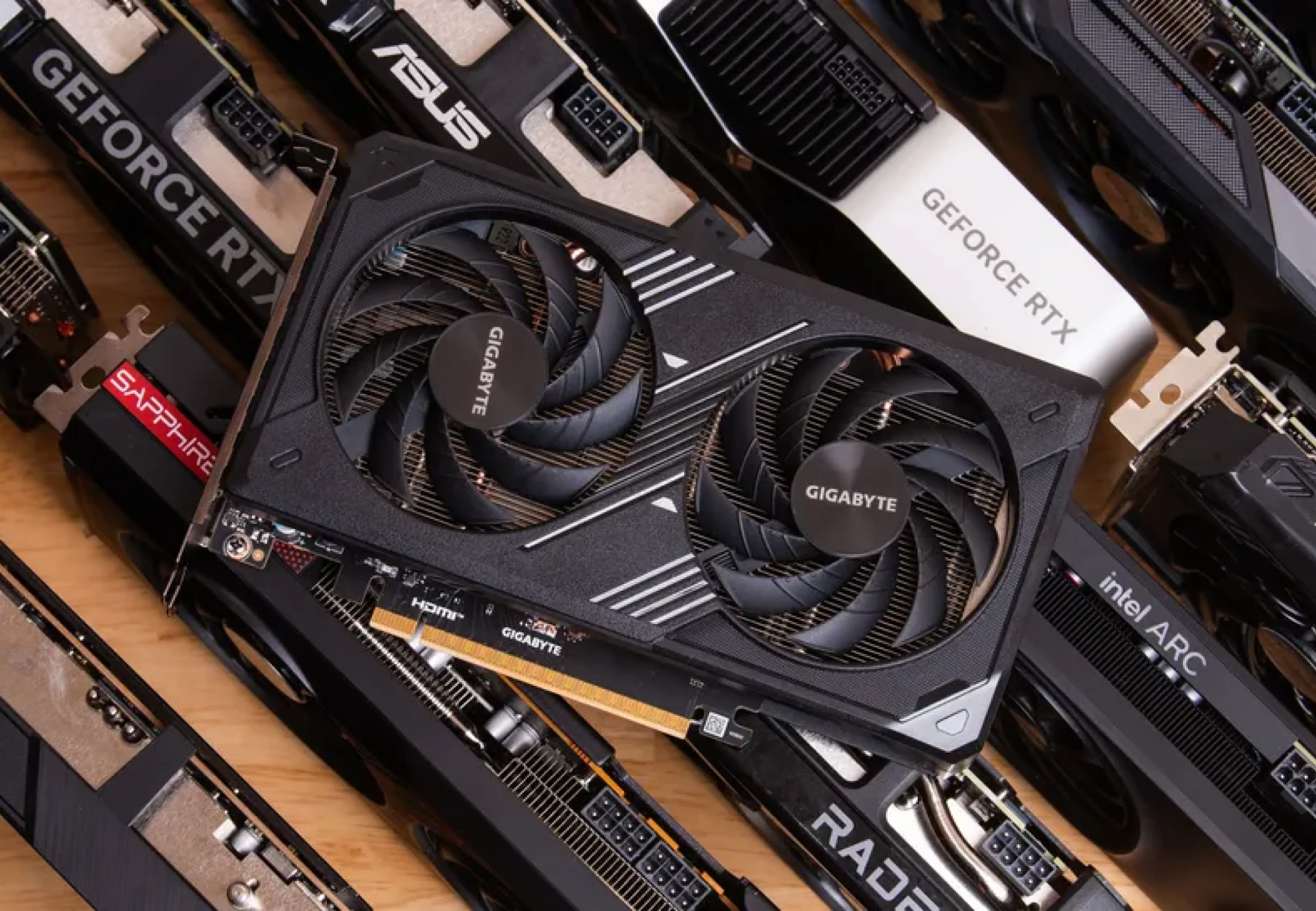


Laptop Video Graphics Cards Benchmark List 2026 Laptop Video Graphics Cards The Ultimate Benchmark List For 2026 Scaled.webp. 10 Best Laptops With High End Graphics Cards For March 2026 Best Laptops With High End Graphics Cards . Best Laptop Graphics Cards For Gaming And Work May 2026 Best Laptop Graphics Cards For Gaming And Work . Best Graphics Cards For Laptops March 2026 Buyer S Guide Featured Image Djn7n5ah 300x210 . Best Graphics Cards GPUs For HP Laptop Complete 2026 Guide Laptops With NVIDIA Graphics Cards 900x600
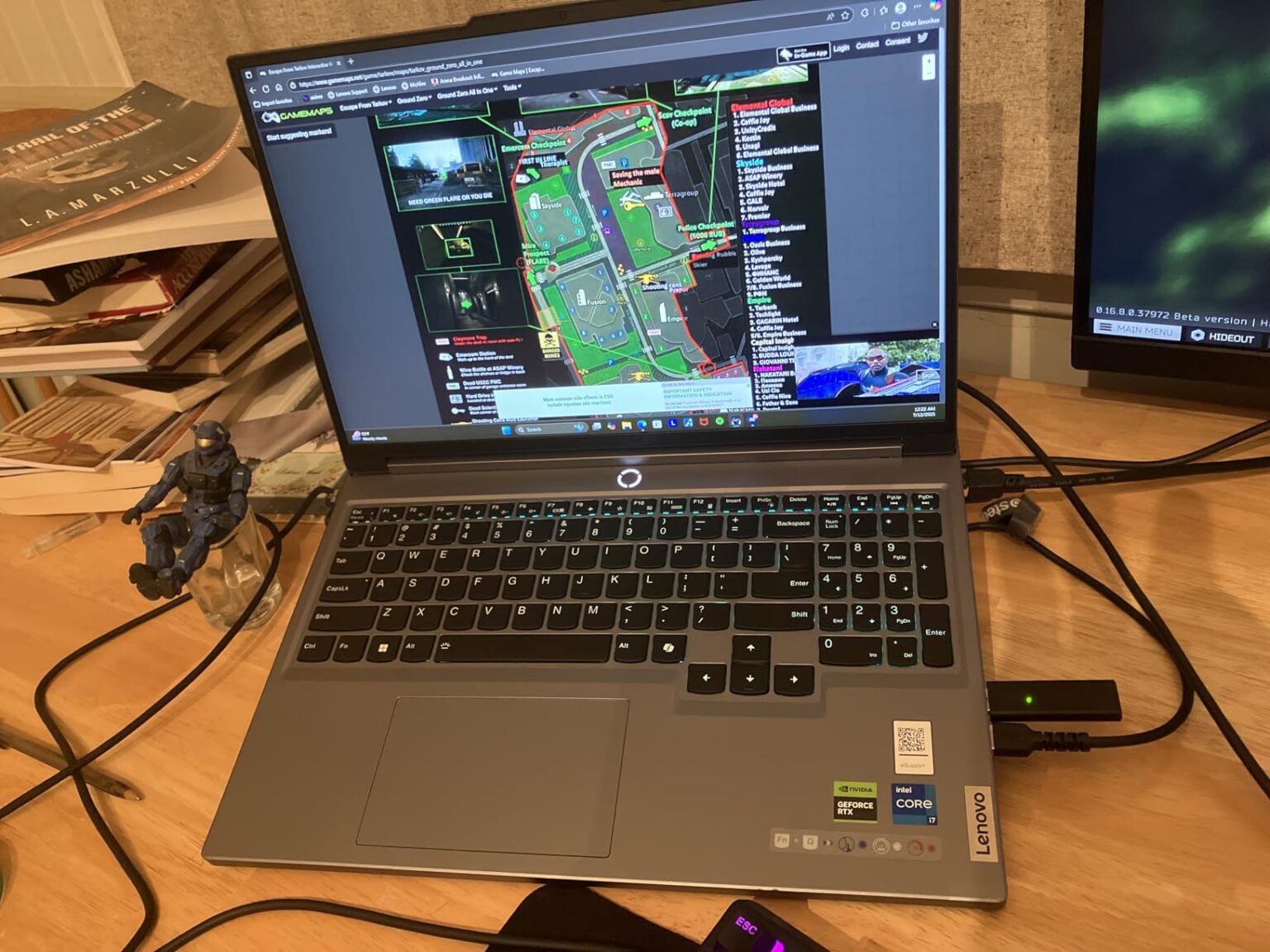


Best Graphics Cards For Laptops March 2026 Buyer S Guide B0CVLFS7WP Customer 1 1 1536x1152 . Best Graphics Card For Laptops In 2026 The Mobile GPUs I D Want In My 1920 80 . Best Graphics Card 2026 Top GPUs For Gaming AI Value Best Graphics Card 2026 . 10 Best Graphics Cards GPUs Laptops 2026 Models Tested Reviewed Best Graphics Cards For Call Of Duty . Best Laptop Graphics Cards 2026 2026 Ultimate GPU Buying Guide Best Graphics Cards GPUs In Laptop

8 Best AMD Laptop Graphics Cards March 2026 Expert Reviews B0DCZLPWXK Customer 1 768x355 . 10 Best Graphics Cards GPUs Laptops 2026 Models Tested Reviewed Featured Image Ivya6ckl . 8 Best Graphics Cards GPUs Laptops 2026 Models Tested Reviewed Best Graphics Cards GPUs 1024x559 . Best Laptop Graphics Cards From Nvidia And AMD In 2026 Laptop Graphics Card . Best Laptop Graphics Cards Compared 12 GPUs Tested June 2026 Best Laptop Graphics Cards Compared GPUs Tested

Best Gaming Laptop Graphics Cards GPUs 2026 Complete Guide 41oO6UTYpSL . Best Graphics Card 2026 Comparison Ranking And Buying Guide For PC Gpu Performance Scores Clean Vertical. Best External Graphics Cards For Laptops 2026 Buying Guide Featured Image Healko5g . 8 Best Graphics Cards GPUs Laptops 2026 Models Tested Reviewed Best RTX 5060 Ti Graphics Cards 768x419 . 8 Best Graphics Cards GPUs Laptops 2026 Models Tested Reviewed Best Graphics Cards GPUs Laptops 300x164

15 Best Graphics Cards GPUs For Laptops March 2026 Ranked And Tested Best Graphics Cards GPUs For Laptops 1024x559 . Best Graphics Cards GPUs For HP Laptop Complete 2026 Guide Graphics Cards GPUs For HP Laptop 600x600 . 8 Best Graphics Cards GPUs Laptops 2026 Models Tested Reviewed Best RTX 5060 Graphics Cards . 8 Best Graphics Cards GPUs Laptops 2026 Models Tested Reviewed Best Graphics Cards For VR 768x428 . 8 Best Graphics Cards GPUs Laptops 2026 Models Tested Reviewed Best RTX 5070 Graphics Cards


8 Best AMD Laptop Graphics Cards March 2026 Expert Reviews Best External Graphics Cards 1024x559 . 15 Best Graphics Cards GPUs In Laptop 2026 Models Tested B0DZZWMB2L Customer 1 226x300 . Best Gaming Laptop Graphics Cards GPUs 2026 Complete Guide B0DTLVCWLV Customer 2 1 768x560 . Best Gaming Laptop Graphics Cards GPUs 2026 Complete Guide B0F6PLQ93N Customer 1 2 1152x1536 . Best Laptops With Good Graphics Cards 2026 10 Models Tested Best Laptops With Good Graphics Cards


Best Laptop Graphics Cards 2026 Hardware Guide Mejores Tarjetas Graficas Para Portatiles . 8 Best Graphics Cards GPUs Laptops 2026 Models Tested Reviewed Best RTX 5080 Graphics Cards . Best Laptop Graphics Cards 2026 Complete Performance Guide 41bFPF5NwWL . Best Gaming Laptop Graphics Cards GPUs 2026 Complete Guide B0F3V8HLWP Customer 1 1 1024x779 . 10 Best Nvidia Laptop Graphics Cards GPUs 2026 Tested Reviewed Best Gaming Laptops 1024x559