Navigating the vast ocean of gaming monitors can be tough even in 2026. Many gamers, especially those balancing busy lives with their passion for play, seek value. This article dives into which gaming monitors from 2019 might still be a smart, budget-friendly choice for your setup today. We cut through the hype to focus on practical performance, common pain points like refresh rates and response times, and how older tech holds up against modern demands. Discover essential tips for optimizing your gaming experience without breaking the bank. Whether you're upgrading an older rig, looking for a secondary display, or simply curious about past value propositions, understanding 2019's best can illuminate your current hardware decisions. This guide offers insights into resolutions, panel types, and adaptive sync technologies, helping you make informed choices that benefit your wallet and your gameplay. Get ready to game smarter, not harder, with reliable information.
Which gaming monitor 2019 still offers great value in 2026?
Many 2019 gaming monitors, particularly those with 144Hz refresh rates, 1440p resolution, and IPS or VA panels, still offer excellent performance and value for money in 2026. These displays often feature adaptive sync technologies like FreeSync, which are now widely supported by both AMD and NVIDIA GPUs. They provide a significant visual and responsiveness upgrade over standard 60Hz monitors, making them ideal for budget-conscious gamers.
What were the top gaming monitor features to look for in 2019?
In 2019, key gaming monitor features included a 144Hz (or higher) refresh rate for smooth gameplay, 1ms response time for minimal ghosting, 1080p or 1440p resolution for sharp visuals, and adaptive sync (G-Sync or FreeSync) to eliminate screen tearing. Panel types like IPS offered superior colors, while TN excelled in speed, catering to different gamer preferences.
How does a 2019 144Hz monitor compare to newer 240Hz monitors for competitive play?
A 2019 144Hz monitor remains highly capable for competitive play, offering a substantial smoothness upgrade over 60Hz. While newer 240Hz monitors provide an incremental advantage in reaction time for top-tier esports pros, the difference for the average gamer is often less noticeable. For most, 144Hz provides an excellent balance of performance and cost efficiency.
Can I still find new or refurbished models of popular 2019 gaming monitors?
Finding brand new 2019 gaming monitors can be challenging, but refurbished models are regularly available from reputable retailers or marketplaces. Look for established brands like Dell, Acer, AOC, and ViewSonic, which often have solid build quality. Always check seller ratings and return policies when buying refurbished for peace of mind.
What are the common pitfalls when buying an older 2019 gaming monitor today?
Common pitfalls when buying an older 2019 gaming monitor include potential wear and tear on used units (like dead pixels or backlight bleed), lack of the very latest connectivity standards (e.g., HDMI 2.1 for 4K 120Hz on consoles), and possibly older display panel technology that might not offer the absolute best colors or contrast compared to current-gen equivalents. Thorough inspection and research are key.
Is a 2019 4K gaming monitor still a good investment?
A 2019 4K gaming monitor can still be a good investment if you have a powerful GPU capable of driving games at 4K resolution. While refresh rates were typically lower (60Hz or 120Hz) compared to 1440p/1080p monitors of the same era, the crisp visuals are unparalleled. For single-player, graphically intensive games, a 2019 4K monitor remains excellent, though ensure it supports adaptive sync for optimal smoothness.
How do I optimize a 2019 gaming monitor for the best performance today?
To optimize a 2019 gaming monitor, ensure you're using a DisplayPort cable (for high refresh rates) or a high-quality HDMI 2.0 cable. Manually set the refresh rate in your OS display settings and GPU control panel. Enable FreeSync or G-Sync Compatible in both the monitor's OSD and GPU software. Calibrate colors for optimal visuals and keep your graphics drivers up to date for maximum compatibility and performance.
Hey fellow gamers! If you're anything like the average US gamer, probably around 36 years old, you're juggling work, family, and life's other quests while still trying to sneak in those precious hours for relaxation, skill-building, and social fun with your squad. We love our games, whether it's diving into a new F2P gem, grinding through an esports title, or unwinding with a cozy game. But let's be real, keeping up with the latest hardware trends can feel like an endless boss battle, especially when every penny counts. You've heard about 87 percent of US gamers regularly playing, many clocking over 10 hours a week. We want performance, but we also want value, and we definitely want to avoid setup headaches or buyers' remorse.
Sometimes, the smartest play isn't always buying the newest, most hyped-up gear. It's about finding that sweet spot of performance and affordability. And believe it or not, sometimes that sweet spot can be found by looking just a few years back. Today, we're going to tackle a question that might seem a little retro but is surprisingly relevant for budget-conscious, performance-savvy gamers: which gaming monitor from 2019 should you consider? We're not talking about ancient relics; we're exploring monitors that, even in 2026, might still offer incredible bang for your buck, especially for those looking to optimize their setup without breaking the bank. We'll cut through the marketing jargon, address common pain points like getting that perfect refresh rate, and help you understand how these older models stack up in today's gaming landscape. Let's find out how to level up your display without depleting your gold reserves.
Why Even Consider a Gaming Monitor from 2019 in 2026?
It might sound counterintuitive to look at older tech, but here's the deal: technology doesn't always become obsolete overnight. Many premium or even mid-range gaming monitors from 2019 featured specifications that were ahead of their time or have simply become the baseline for solid gaming performance. We're talking about 144Hz refresh rates, QHD resolutions, and adaptive sync technologies that were cutting-edge then and are still highly desirable today. For gamers balancing a budget, a used or refurbished 2019 monitor can often be acquired at a fraction of its original price, offering significant value. This means more money left over for new games, in-game purchases, or maybe even a nice dinner out with the family after a long raid session. It's about smart spending and getting the most out of your hardware investment, recognizing that many core display technologies haven't undergone a revolutionary shift in the last few years.
What Key Specifications Defined a Great Gaming Monitor in 2019?
In 2019, several key specifications were paramount for a top-tier gaming monitor. Understanding these helps us assess their current relevance. Gamers were primarily looking for:
- High Refresh Rates: 144Hz was the sweet spot, a significant upgrade from standard 60Hz displays.
- Fast Response Times: 1ms GTG (Gray-to-Gray) was the gold standard for minimizing ghosting and motion blur.
- Resolution: 1080p (Full HD) was still dominant, but 1440p (QHD) was rapidly gaining popularity for its sharper image without being too demanding on GPUs. 4K was available but still niche due to cost and performance requirements.
- Panel Type: TN panels offered the fastest response times, IPS provided superior colors and viewing angles, and VA panels balanced colors with good contrast.
- Adaptive Sync: NVIDIA's G-Sync and AMD's FreeSync were crucial for smooth, tear-free gameplay by synchronizing the monitor's refresh rate with the GPU's frame rate.
These features formed the core of what made a gaming monitor desirable, and impressively, they largely remain the same core elements we look for today, perhaps just with higher ceilings on refresh rates and resolutions becoming more mainstream.
How Did Refresh Rates Impact Gaming Performance in 2019 and Today?
Refresh rate, measured in Hertz (Hz), dictates how many times per second a monitor can draw a new image. In 2019, moving from a standard 60Hz display to 144Hz was a game-changer for competitive players and anyone seeking a smoother visual experience. This higher refresh rate significantly reduced input lag and made fast-paced action games feel much more fluid and responsive. For many US gamers today, especially those playing esports titles or fast-action shooters, 144Hz remains a highly effective and desirable refresh rate. While 240Hz and even 360Hz monitors exist now, 144Hz still provides a massive advantage over 60Hz and is perfectly adequate for most gamers, allowing them to balance performance with their budget. It's truly a sweet spot for many who enjoy games to de-stress and connect with friends online, providing a noticeable upgrade without requiring the latest GPU to push extreme frame rates.
What About Resolution: Was 1440p the New 1080p for 2019 Gamers?
In 2019, 1080p was still the most common resolution, especially for budget-friendly setups and competitive gamers prioritizing frame rates. However, 1440p (QHD) was emerging as the preferred choice for many enthusiasts. It offered a significant jump in visual clarity and screen real estate over 1080p without the extreme hardware demands of 4K. For those with a capable GPU from that era (like an RTX 2060/2070 or an RX 5700 XT), 1440p at 144Hz was the ultimate goal, providing a stunning balance of detail and fluidity. Today, a 1440p 144Hz monitor from 2019 can still deliver an excellent gaming experience, especially if you have a modern mid-range GPU. It's a great choice for immersive single-player games where visual fidelity matters, allowing you to fully appreciate the art and design of your favorite titles, whether they're new releases or classics.
Which Panel Types Were Best in 2019, and Which Still Hold Up?
The three main panel types available in 2019 were TN (Twisted Nematic), IPS (In-Plane Switching), and VA (Vertical Alignment). Each had its strengths and weaknesses:
- TN Panels: Known for their lightning-fast response times (often 1ms GTG) and high refresh rates, making them a favorite for competitive esports players. The downside was often poorer color accuracy and narrow viewing angles. For pure competitive performance, a good TN panel from 2019 can still be a viable option.
- IPS Panels: Celebrated for their superior color reproduction and wide viewing angles, making games look vibrant and cinematic. In 2019, IPS panels were catching up in response times, with many offering 4ms GTG or better. A quality IPS panel from 2019 is still fantastic for visually rich games and everyday use, providing that visual relaxation many gamers seek after a busy day.
- VA Panels: Offered a strong middle ground, boasting excellent contrast ratios (deep blacks) and decent viewing angles, though response times were typically slower than TN. They were great for immersive, atmospheric games. A good VA panel from 2019 still delivers a cinematic experience.
Today, a well-maintained IPS or VA panel from 2019 will likely offer the best overall experience for most gamers, balancing visuals with performance, while TN panels remain a niche for the most competitive budget-conscious players.
How Important Was Adaptive Sync (G-Sync/FreeSync) in 2019, and What's the Status Now?
Adaptive Sync technology, primarily NVIDIA's G-Sync and AMD's FreeSync, was a game-changer in 2019. It eliminated screen tearing and stuttering by synchronizing the monitor's refresh rate with the GPU's frame rate, resulting in buttery-smooth gameplay. This was a massive quality-of-life improvement for gamers. In 2019, G-Sync monitors often came with a significant price premium due to proprietary hardware, while FreeSync was an open standard. Today, the landscape is much more unified. NVIDIA GPUs now support FreeSync (often rebranded as G-Sync Compatible), making FreeSync monitors from 2019 incredibly versatile and valuable. If you find a 2019 monitor with FreeSync (or a G-Sync module, though less flexible now), it's a huge plus. This technology still dramatically enhances the gaming experience, ensuring your limited gaming time is spent enjoying smooth visuals, not battling visual artifacts.
Are There Any Hidden Gems or Budget Monitors from 2019 Worth Finding?
Absolutely! The used and refurbished markets are treasure troves for gamers seeking value. In 2019, brands like AOC, ViewSonic, Acer, and Dell produced excellent monitors that offered great performance for their price point. Look for models that were highly reviewed for their 144Hz refresh rate, 1440p resolution, and FreeSync compatibility. For example, some of the Dell S-series, Acer Nitro, or AOC Agon models from that year are known for their solid performance and durability. Checking community forums or old tech reviews can help identify these diamonds in the rough. When buying used, always check for dead pixels, backlight bleed, and general wear and tear. A little research can save you hundreds and provide a display that stands up to current demands for social gaming or unwinding after work.
What Common Setup Issues Might I Encounter with a 2019 Monitor, and How Do I Fix Them?
Even with older monitors, setup issues are generally minor and easily resolved. Here are a few common pain points and their solutions:
- Not Reaching Full Refresh Rate: Ensure you're using a DisplayPort cable (preferred for 144Hz+) or a high-bandwidth HDMI cable (HDMI 2.0 or newer). Check your Windows Display Settings or GPU control panel (NVIDIA Control Panel/AMD Radeon Software) to set the refresh rate manually.
- Adaptive Sync Not Activating: Make sure FreeSync/G-Sync Compatible is enabled both on the monitor's OSD (On-Screen Display) and in your GPU's control panel. Sometimes, a driver update is needed.
- Color Calibration: Out-of-the-box colors might not be perfect. Use online calibration tools or Windows' built-in color calibration to fine-tune brightness, contrast, and color balance.
- Dead Pixels or Backlight Bleed: If buying used, inspect the monitor carefully. These are hardware issues and usually non-fixable, so it's a reason to return if severe.
Most of these are standard troubleshooting steps that apply to any monitor setup, old or new. A quick search for your specific monitor model and issue will often yield community-driven solutions, just like getting advice from your Discord gaming group.
Conclusion: Still a Smart Play for the Savvy Gamer
So, which gaming monitor from 2019 should you consider? The answer is clear: many of them! For the busy US gamer who values performance, smart spending, and a hassle-free experience, a well-chosen monitor from 2019 can still be an incredible asset in 2026. Look for models with 144Hz refresh rates, 1440p resolution, IPS or VA panels, and FreeSync compatibility. These specs ensure a smooth, visually appealing, and responsive gaming experience that stands the test of time, allowing you to focus on the fun, the community, and the challenge of your favorite games without breaking the bank. It's about making informed choices that support your gaming lifestyle and wallet.
What's your biggest gaming challenge when it comes to hardware? Comment below! We're all in this together, balancing life's demands with our passion for gaming.
FAQ Section
Is a 2019 144Hz monitor still good for competitive gaming?
Yes, absolutely. A 144Hz refresh rate from a 2019 monitor still provides a significant competitive edge over standard 60Hz displays, offering smoother visuals and reduced input lag for titles like Valorant, Apex Legends, or Call of Duty. Many pro players still use 144Hz or 240Hz, so 144Hz is more than sufficient for most.
Can a 2019 gaming monitor support modern consoles like PS5 or Xbox Series X?
Many 2019 gaming monitors with HDMI 2.0 ports can support modern consoles. You can often get 1080p at 120Hz or 1440p at 60Hz. For full 1440p 120Hz support, check if the monitor explicitly supports it over HDMI 2.0, as some earlier models might have limitations. Always check the specific monitor's specifications.
How do I check if a used 2019 monitor has dead pixels?
When inspecting a used monitor, connect it to a PC and display solid color screens (black, white, red, green, blue). Dead pixels will appear as tiny, unchangeable black or colored dots. Websites like EIZO Monitor Test provide tools for this. Backlight bleed can be checked by displaying a pure black screen in a dark room.
Will a 2019 monitor have better image quality than a cheap new monitor?
Often, yes. A higher-end 2019 monitor, especially one with an IPS or VA panel, could offer superior color accuracy, contrast, and overall build quality compared to a brand-new, entry-level budget monitor today. It's about comparing original tiers, not just age.
What's the best way to clean an older gaming monitor's screen?
Use a microfiber cloth specifically designed for electronics and a screen cleaning solution (often isopropyl alcohol-based) that is explicitly labeled safe for LCD/LED screens. Never spray liquid directly onto the screen; spray it onto the cloth first. Gently wipe in one direction to avoid streaks and static build-up.
Are 2019 monitors compatible with the latest graphics card drivers?
Yes, gaming monitors from 2019 are generally compatible with the latest graphics card drivers from NVIDIA and AMD. Monitor drivers themselves are often generic or provided through Windows Update, so GPU driver updates should not cause compatibility issues with the display itself.
Gaming Monitor 2019 Guide Key Specs Refresh Rate Resolution Panel Type Adaptive Sync Value Budget Performance Setup Tips
35

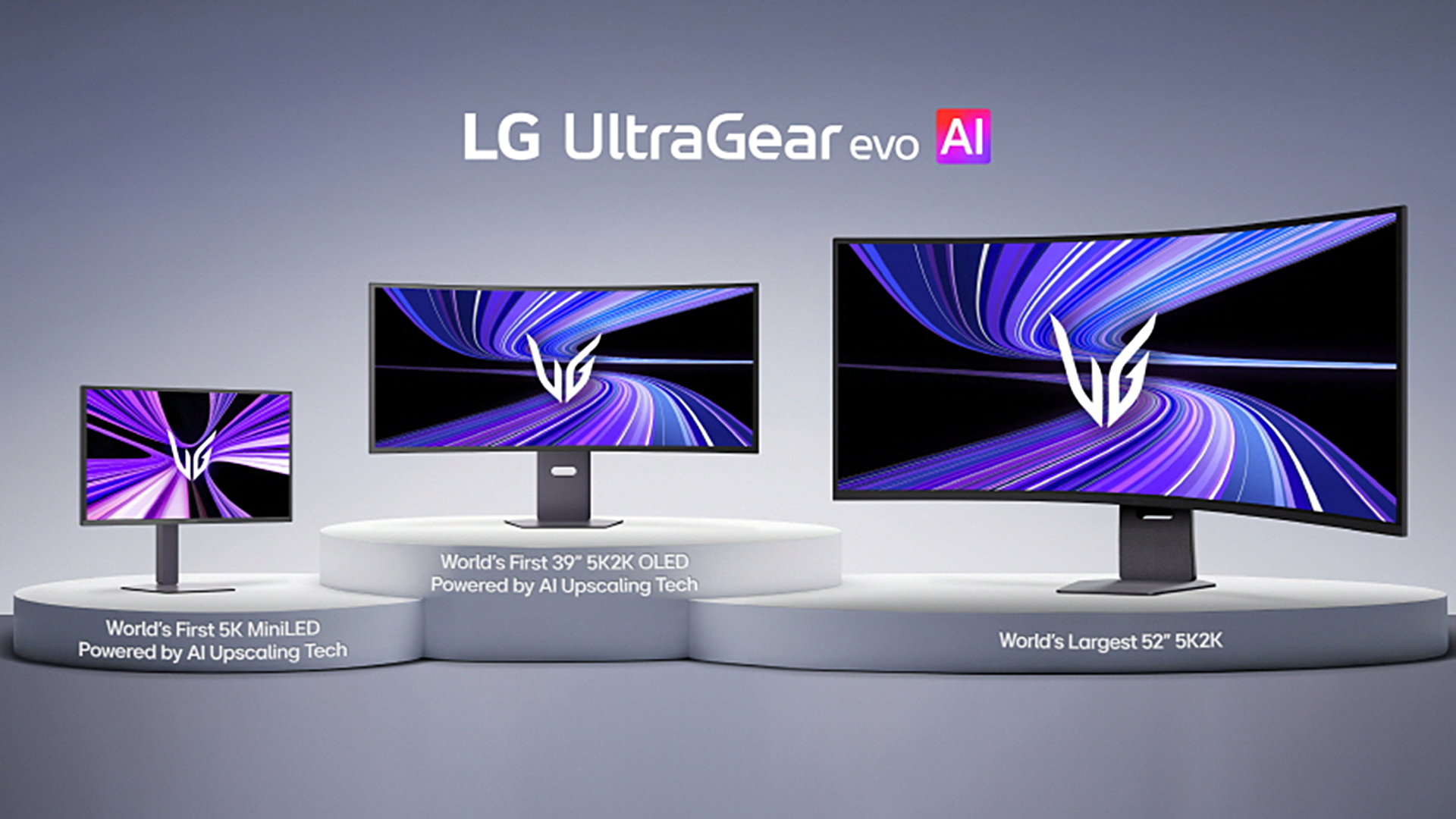
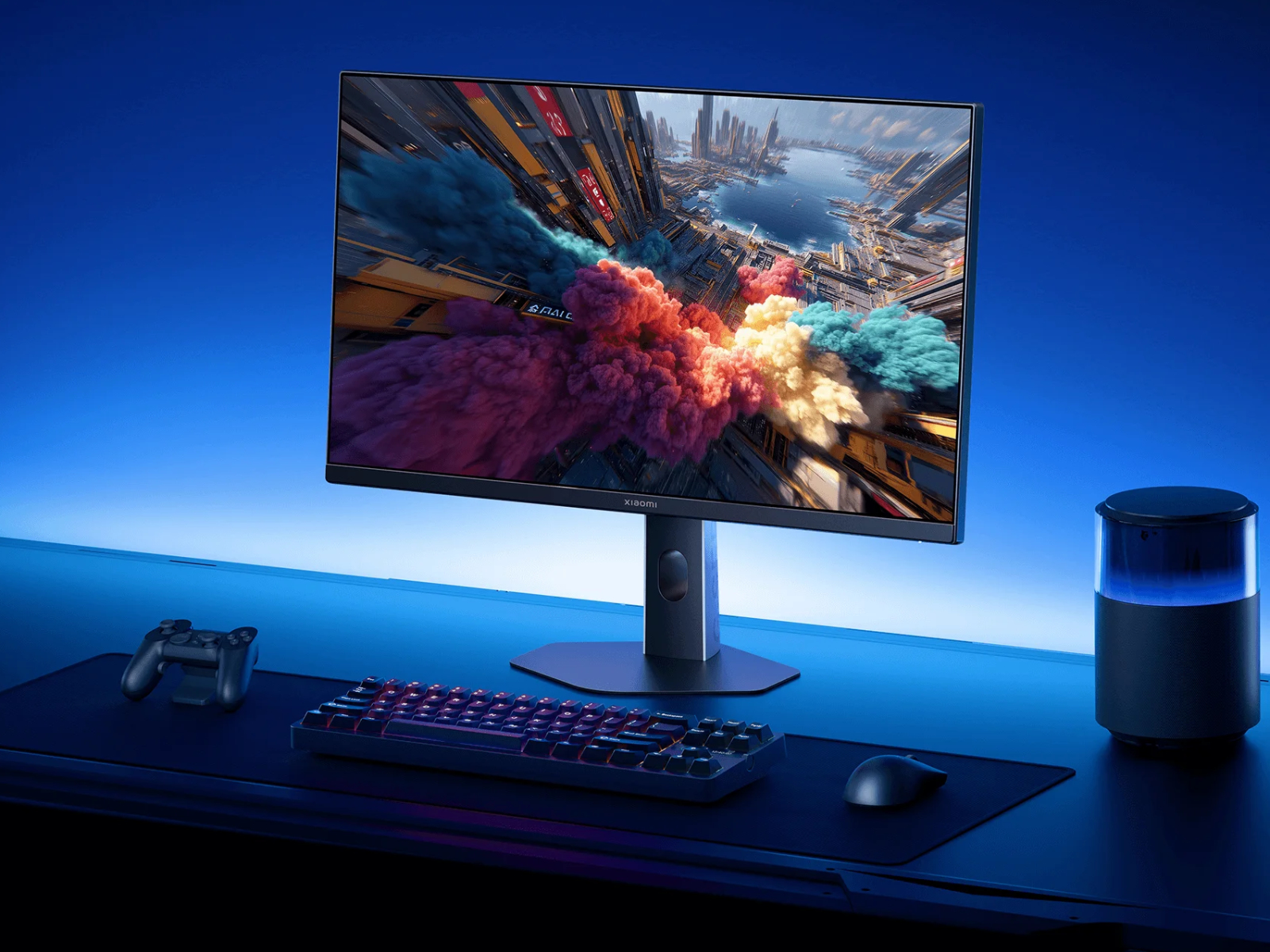

Xiaomi G34WQi 2026 Curved Gaming Monitor Gets Global Launch G34WQi 2026 . Xiaomi G24i 2026 G27i 2026 Gaming Monitors Launched Globally Xiaomi Xiaomi Gaming Monitor G24i 2026 G27i 2026 Q2XM0.webp. LG UltraGear Evo Gaming Monitor Lineup Announced Ahead Of CES 2026 27 . Xiaomi Reveals Global Launches Planned For New G24i 2026 And G27i 2026 Xiaomi 24 And 27 Inch 2026 Launches Kv . Xiaomi Launches G24i 2026 And G27i 2026 Gaming Monitors In The Xiaomi Launches G24i 2026 And G27i 2026 Gaming Monitors In The Philippines 1024x640

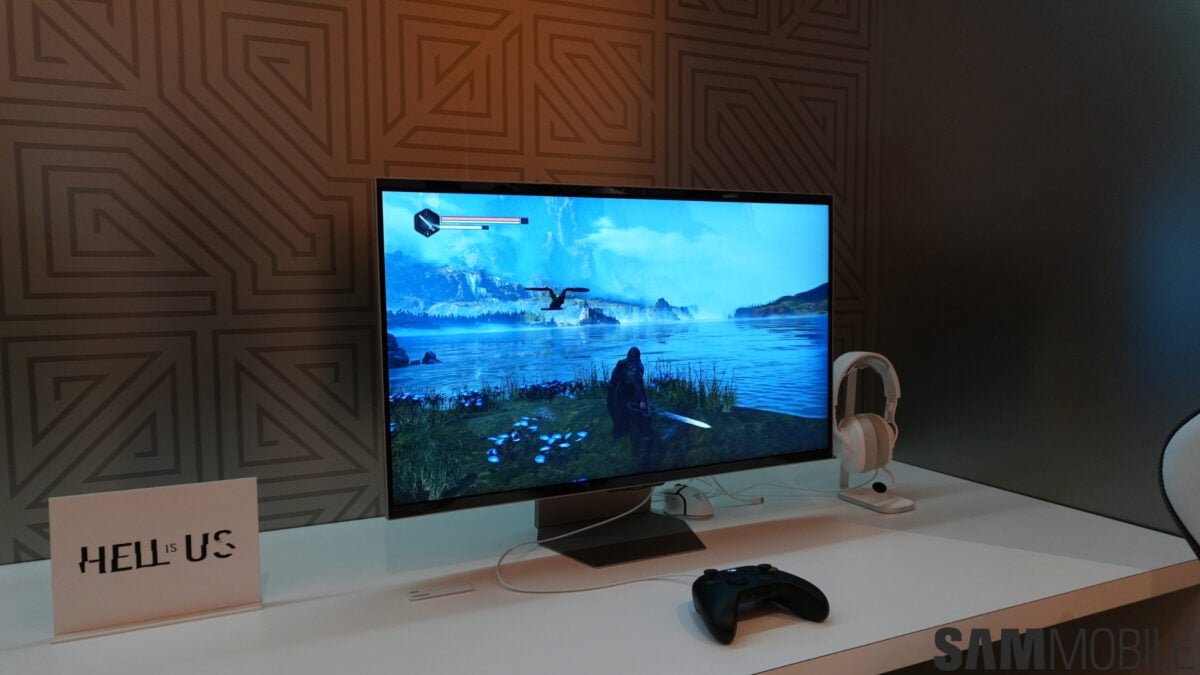

5 Best Gaming Monitors In 2026 Ranked For Every Budget And Play Style Image. Best Gaming Monitors 2026 Best Pulsar Gaming Monitors . Chinese ESports Firm Worked With AMD On 1 000 Hz Gaming Monitor Primed . Samsung Showcases Odyssey 3D 6K Gaming Monitor At CES 2026 SamMobile Samsung Odyssey 3D G90XH6K Gaming Monitor CES 2026 1200x675 . Samsung Announces 2026 Odyssey Gaming Monitors Ahead Of CES SammyGuru 2026 Odyssey Gaming Monitor Lineups Scaled


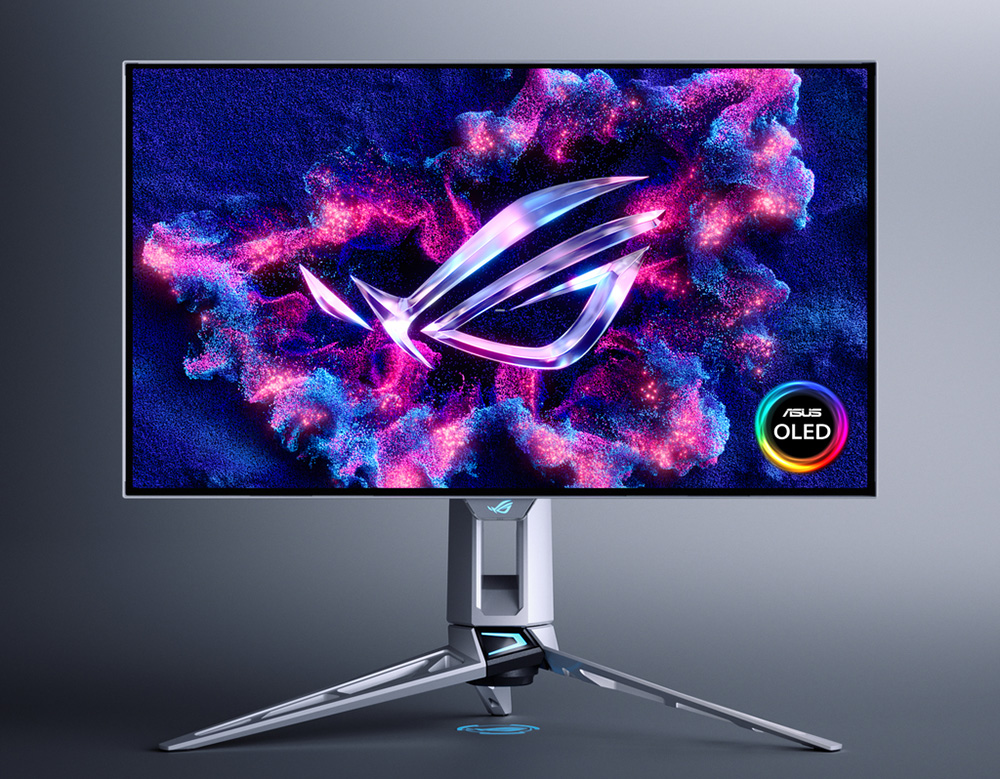

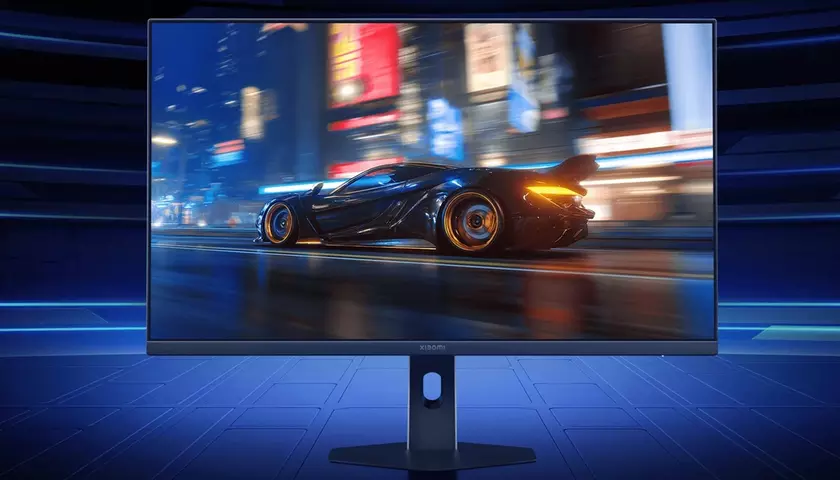
GIGABYTE Unveils Next Gen OLED Gaming Monitors At CES 2026 Gigabyte Next Gen Oled Gaming Monitors Ces 2026 1 . Xiaomi G24i 2026 G27i 2026 Gaming Monitors Launched Globally Xiaomi Xiaomi Gaming Monitor G24i 2026 G27i 2026 R65T2 Scaled.webp. The Best Recommended Gaming Monitors 2026 TFTCentral ROG Swift OLED PG27AQWP Bottom . Mini LED Gaming Monitor G Pro 27Qi 2026 Debuts With 2 5K Display And Xiaomi Mini LED Gaming Monitor G Pro 27Qi 2026 811 . Xiaomi Presents The Gaming Monitor G27Qi 2026 With HDR400

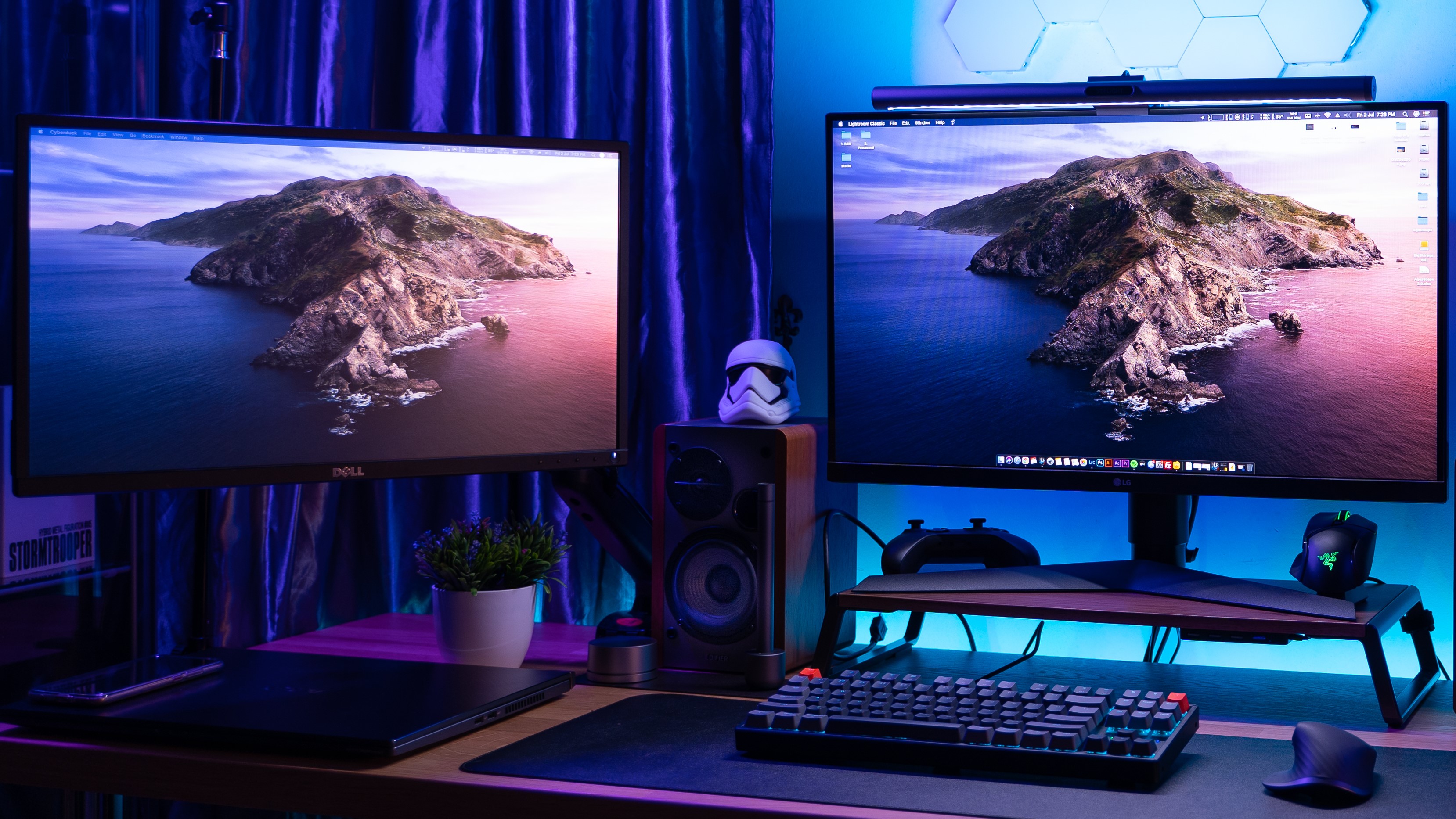

Best Gaming Monitor 2026 Picks For 1080p 1440p And 4K Switchblade Best Gaming Monitor 2026.webp. LG UltraGear Evo Gaming Monitor Lineup Announced Ahead Of CES 2026 27 . Best Gaming Monitors For 2026 Our Tested And Reviewed Top Picks 04samsung Chg70 1 720x405 . The Best Ultrawide Gaming Monitors 2026 TechSpot 2026 05 07 Image 20 . Best 240Hz Monitor In 2026 Top Picks For Fast Refresh Rate Gaming Best 4K Monitor



12 Best OLED Gaming Monitors For 2026 Reviews Mill Top Oled Gaming Monitors Qh52w . Best 240Hz Monitor In 2026 Top Picks For Fast Refresh Rate Gaming Best 500Hz Monitor For Gaming . Gaming Monitor Guide 2026 Everything You Need To Know London Daily News Gaming Monitor Guide 2026 Everything You Need To Know11. 15 Best Gaming Monitors Of 2026 Ultimate Picks For Seamless Play Top Gaming Monitors 2026 H3rit . Best Gaming Monitors For 2026 Top Picks For PS5 Esports More Best Gaming Monitor 5 1536x864


Best Gaming Monitors For PC 2026 Guide . GIGABYTE Unveils Next Gen OLED Gaming Monitors At CES 2026 Gigabyte Next Gen Oled Gaming Monitors Ces 2026 2 . ASUS PG248QP Review 2026 Best ESports Gaming Monitor Best HDR Monitors 1024x576 . Top 10 Best Gaming Monitor 2026 Reviews And Buying Guide Featured Top 10 Best Gaming Monitor 2026 Reviews And Buying.webp. CES 2026 My Top 5 Favorite Gaming Monitors CES 2026 Gaming Monitors 02


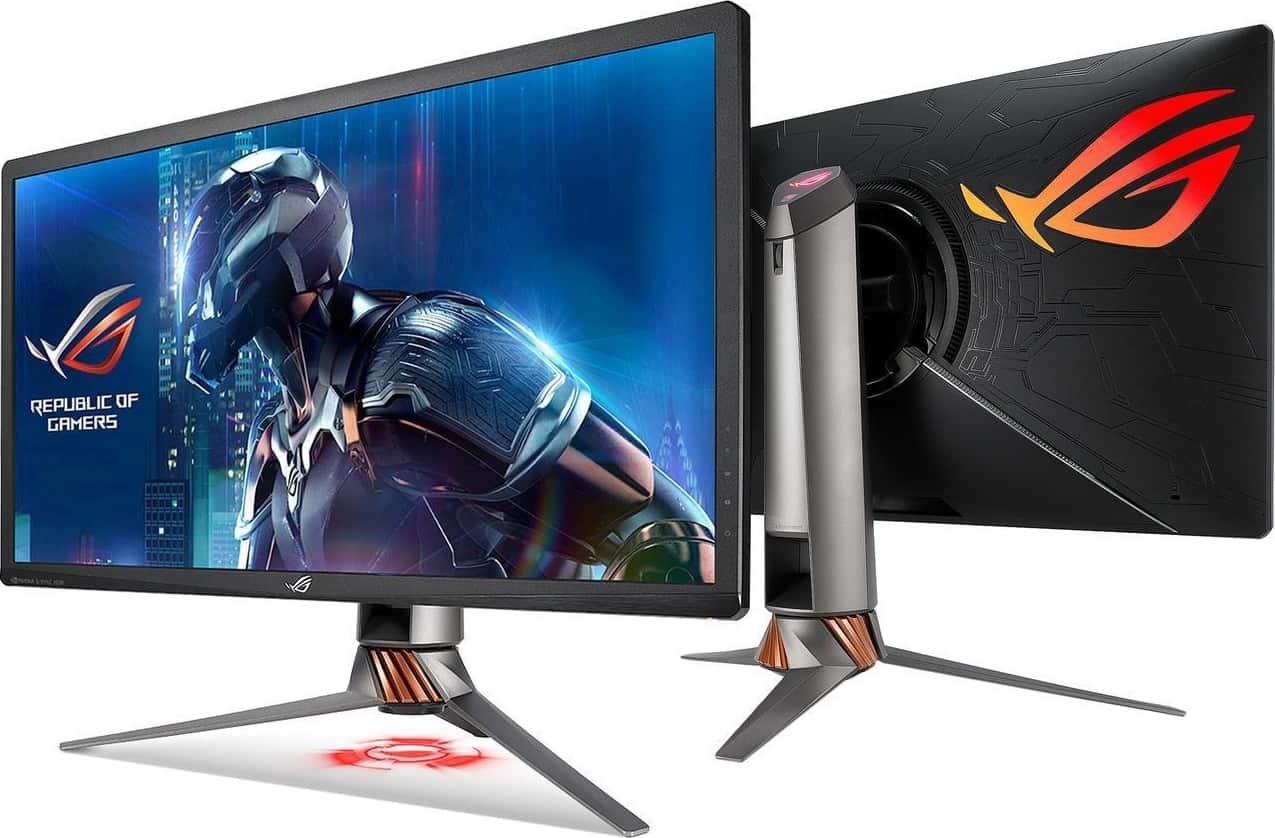

Best Gaming Monitor 2026 Top Picks For 1080p 1440p And 4K Best Gaming Monitor 2026 . Best Gaming Monitors To Buy In 2026 Top Picks For Every Budget NoobFeed Asus Rog Monitor . The Best Gaming Monitor 2019 The Geek Pub Best Gaming Monitor 2019 0006 ASUS ROG Swift P27UQ . Top 10 Best Gaming Monitor 2026 Reviews And Buying Guide 51XEW43TVIL . 15 Best OLED Gaming Monitors For 2026 RottenPanda Top Oled Gaming Monitors D4k6q