Ever wondered how to bring your unique stories to life through interactive adventures? This comprehensive guide dives deep into how to make a point and click game, covering everything from initial concept to final polish. We explore popular game engines, effective narrative design principles, and essential development tools to help aspiring creators. Discover the latest trends in indie game development and learn practical steps to craft an engaging experience that captivates players. Whether you are a complete beginner or looking to refine your skills, this resource provides invaluable insights and actionable advice. Unleash your creativity and begin your journey into the exciting world of interactive storytelling. This article is your ultimate resource for navigating the complexities and joys of game creation.
Making a point and click game is like crafting your very own interactive storybook, where players click their way through mysteries and adventures you've designed. It's an incredibly rewarding journey perfect for anyone who loves storytelling, puzzles, and creating worlds, even if you're not a coding wizard. You get to bring unique characters and intricate plots to life, building an experience that truly draws players in with its narrative depth and clever challenges. The beauty of this genre is its emphasis on creativity over technical prowess, making it super accessible for new game developers to dive right in and start building. It’s all about creating an immersive world one click at a time.
Whether you're dreaming up a classic whodunit, a whimsical fantasy quest, or a dark psychological thriller, point and click games offer an amazing canvas. You'll learn everything from conceptualizing your narrative and designing mind-bending puzzles to choosing the right game engine and adding those polish touches that make a game shine. Think about it: you're not just making a game; you're creating an experience that can transport players to entirely new realms, challenge their minds, and perhaps even tug at their heartstrings. It's a fantastic way to express your creativity and share your unique vision with the world.
This ultimate living FAQ is regularly updated for the latest patches and best practices in point and click game development. We're here to guide you through every step, ensuring you have the most current information and actionable advice to bring your game to life. From beginner questions to advanced strategies, we've got you covered.
blog post random Most Asked Questions about "how to make a point and click game"
What game engine is best for point and click games?
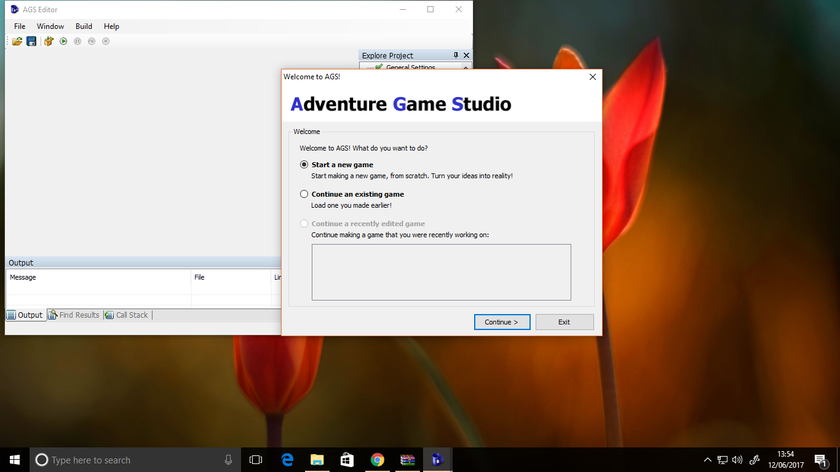
For beginners, Adventure Game Studio (AGS) is fantastic as it's purpose-built for the genre and very user-friendly. Unity and Godot are also excellent choices, offering more versatility and powerful tools, especially with visual scripting or marketplace assets. Your choice depends on your experience level and desired complexity for the game.
How important is story and narrative in point and click games?
Story and narrative are paramount in point and click games. They are the primary drivers of player engagement, immersion, and motivation to solve puzzles. A compelling narrative with well-developed characters and an intriguing plot is often what players remember most, making it the genre's core strength.
Can I make a point and click game without knowing how to code?
Yes, absolutely! Many modern tools and engines support visual scripting or offer no-code/low-code solutions specifically for point and click adventures. Tools like Adventure Game Studio (AGS) are designed for minimal coding, allowing you to focus on design, story, and art instead of complex programming.
What are common pitfalls to avoid when designing puzzles?
Common pitfalls include "moon logic" (puzzles with illogical solutions), unclear objectives, too much pixel-hunting, or overly complex multi-step puzzles. Focus on logical progression, clear clues within the game world, and fair difficulty to ensure player satisfaction, not frustration. Playtesting helps identify these issues early.
How do indie developers monetize point and click games?
Indie developers monetize through direct sales on platforms like Steam, Itch.io, or GOG. They also leverage bundles, subscription services (e.g., Xbox Game Pass), and occasional sales. Early access, crowdfunding (Kickstarter), and merchandise can also supplement income, building a community around the game.
Beginner Questions
How do I start planning my first point and click game?
Begin by brainstorming a core concept or mystery. Outline your main characters, their motivations, and the primary setting. Focus on a simple, self-contained story for your first project. Sketch out initial puzzles that logically tie into your narrative. Don't aim for perfection, just get your ideas down.
What's the difference between 2D and 3D point and click games?
2D games typically feature hand-drawn or pixel art, offering a classic aesthetic, while 3D games use models and environments, providing more immersive depth. The choice impacts art style, development complexity, and engine requirements. Both styles can deliver compelling experiences.
Builds & Classes (Tools & Engines)
Which game engine offers the quickest way to prototype a point and click game?
Adventure Game Studio (AGS) or Visionaire Studio often allow for rapid prototyping due to their specialized focus on the genre's mechanics. For more flexibility with visual scripting, Godot or Unity with specific assets can also be very quick for building out core gameplay loops.
Are there any 'no-code' options for game development in this genre?
Yes, tools like Adventure Game Studio (AGS), Visionaire Studio, and sometimes even platforms like GameMaker Studio 2 (with its drag-and-drop system) allow for significant game creation without writing traditional code. They focus on logic gates, events, and visual scripting interfaces.
Endgame Grind (Development & Release)
What are the crucial steps for playtesting a point and click game effectively?
Start with internal testing to catch obvious bugs, then expand to friends and family. Later, recruit external beta testers who are unfamiliar with your game to get unbiased feedback on puzzle difficulty, clarity, and overall player experience. Focus on observing player behavior rather than just asking questions.
How do I prepare my game for launch on platforms like Steam?
Preparation involves creating a compelling store page with high-quality screenshots and trailers, writing engaging descriptions, and setting up wishlisting campaigns. Ensure your game is thoroughly tested, optimized for various hardware, and has robust save/load systems. Engaging with the Steam community is also vital.
Bugs & Fixes (Troubleshooting & Optimization)
What are common bugs to look out for in point and click games?
Typical bugs include objects not interacting correctly, inventory items disappearing or failing to combine, dialogue choices leading to wrong outcomes, save/load issues, and navigation problems where characters get stuck. Thorough testing of all interaction points and dialogue trees is crucial.
How can I optimize my game for better performance and smaller file size?
Optimize by compressing art and audio assets, using efficient image formats, and reducing the complexity of 3D models if applicable. Implement good garbage collection practices in your code and manage memory effectively. Only load assets when they are actually needed in the scene.
Tips & Tricks
What's a good tip for making puzzles feel integrated into the story?
Ensure your puzzles arise naturally from the narrative or character motivations, rather than feeling tacked on. The solution should also make thematic sense within the game's world. For example, a character needs to fix a specific machine to advance the plot, rather than just solving a random sliding puzzle.
Any tricks for creating engaging dialogue and character interactions?
Write dialogue that reveals character personalities and provides subtle clues. Use unique voice and mannerisms for each character. Allow players to explore different dialogue options, and ensure responses feel natural and reactive to player choices. Read dialogue aloud to catch awkward phrasing and improve flow.
Still have questions? Check out our other popular guides on Narrative Design Fundamentals and Choosing Your First Game Engine!
Ever wondered, "How can I make my very own point and click game?" You're in luck because diving into **indie game development** is more accessible now than ever before. This genre, rich in story and atmosphere, offers a fantastic entry point for aspiring creators who have a passion for telling tales and crafting intricate puzzles. Making a point and click game allows you to be the ultimate storyteller, guiding players through worlds of your own making, filled with memorable characters and challenging dilemmas. This guide will walk you through everything you need to know, from the very first spark of an idea to launching your game into the world.
We will explore why focusing on **narrative design** is absolutely critical in this space, as the story often takes center stage. You'll learn about the best tools for **game engine selection**, whether you're leaning towards established platforms like Unity and Godot or more specialized adventure game makers. Understanding how to build truly **interactive storytelling** experiences is key to captivating your audience. We'll also touch upon how to approach **monetization strategies for indie games**, ensuring your hard work can potentially turn into a sustainable passion. Our structured approach, using clear headers and bullet points, makes this long-form article incredibly scannable and user-friendly, directly addressing your core "Why" and "How" search intents.
Beginner / Core Concepts
1. Q: What exactly is a point and click game, and why should I consider making one as a beginner?
A: A point and click game is an adventure game where players interact with the environment primarily by clicking on objects or characters to trigger actions, solve puzzles, and advance the story. It's a fantastic starting point for beginners because the core mechanics are relatively simple compared to action-packed genres, allowing you to focus heavily on narrative, puzzles, and world-building. This genre emphasizes creativity over complex programming, making it ideal for solo developers or small teams. You'll find a welcoming community and numerous resources tailored to this style of game, which truly empowers new creators to dive right in without feeling overwhelmed. Think of it as crafting an interactive storybook where you control every page and every twist. You've got this!
2. Q: What are the absolute essential tools or software I need to start making a point and click game?
A: You don't need a huge budget to get started, which is great news! At its core, you'll need a good **game engine** to bring everything together. Engines like Unity and Godot are powerful and free to start, offering robust features for both 2D and 3D games. For creating your visuals, a free art program like Krita or GIMP can work wonders, or even just pen and paper for initial concepts. You'll also want a basic sound editor, maybe Audacity, to handle your audio files. Remember, it's about making the most of what you have available. Focus on telling your story first; fancy tools can come later. Try experimenting with a couple of these tools tomorrow and see what clicks for you!
3. Q: How important is the story in a point and click game, and where should I even begin with my narrative?
A: The story isn't just important; it's the beating heart of a point and click game. Players are often drawn to this genre specifically for its deep narratives and immersive worlds. To begin, think about a compelling premise or a central mystery that your game will revolve around. Outline your main characters, their motivations, and the core conflict they face. Don't be afraid to brainstorm wildly at first, letting your imagination run free with various twists and turns. You can always refine it later, but a strong foundation will guide every other aspect of your development process. I get why this can feel daunting, but just start with a simple 'what if' question. You'll be amazed where it leads!
4. Q: I'm not a programmer. Can I still make a point and click game, and if so, how?
A: Absolutely, yes! This one used to trip me up too, thinking you needed to be a coding wizard. Many modern game engines and specialized tools are designed with non-programmers in mind. Engines like Adventure Game Studio (AGS) are built specifically for point and click games and require minimal coding knowledge. Even Unity and Godot have visual scripting tools or plenty of drag-and-drop assets available in their marketplaces that let you create complex interactions without writing a single line of code. Focus on logic and design, and let the tools handle the heavy lifting. There's a whole world of **no-code game creation** waiting for you to explore! You've got this, coder or not!
Intermediate / Practical & Production
5. Q: How do I design puzzles that are challenging but fair and don't frustrate players?
A: Designing great puzzles is a fine art, and it's easy to overcomplicate them. The trick is to ensure your puzzles have clear goals, provide clues within the game's environment or dialogue, and have a logical solution that players can deduce. Avoid "moon logic" where the solution makes no sense to anyone but you. A good rule of thumb is to have multiple layers of clues, some subtle, some more obvious, catering to different player styles. Playtesting is your best friend here; observe how others solve your puzzles and adjust accordingly. Remember, the goal is satisfaction upon solving, not pure frustration. Iteration is key, and you'll get better with practice. Don't be afraid to simplify if early testers struggle. You'll nail it!
6. Q: What's the best way to handle inventory systems and item interactions in a point and click game?
A: An effective inventory system is crucial for player agency and puzzle solving. Keep it visually clear and easy to access, perhaps at the bottom or side of the screen. When designing item interactions, consider common adventure game tropes but don't be afraid to innovate. Allow players to combine items, use them on environmental objects, or even present them to characters for dialogue options. Ensure the feedback for successful or unsuccessful interactions is clear. For instance, a small sound effect or visual cue can go a long way. Test your inventory extensively; nothing breaks immersion faster than a clunky item system. This is where attention to detail really shines. Go make that inventory slick!
7. Q: How do I create compelling characters and engaging dialogue that truly resonate with players?
A: Crafting memorable characters involves giving them distinct personalities, believable motivations, and unique voices. Think about their backstories, their quirks, and how they react to different situations. For dialogue, focus on making it sound natural; read it aloud to catch awkward phrasing. Use dialogue to reveal character, advance the plot, and provide clues to puzzles. Avoid exposition dumps; instead, weave information subtly into conversations. Allow for player choices in dialogue where appropriate, as this enhances **interactive storytelling**. Great characters and dialogue are what players remember long after they finish the game. Give your characters real depth, and players will connect. You've got this part!
8. Q: What are the pros and cons of using pre-made assets versus creating all my own art and sound?
A: Using pre-made assets is a fantastic way to save time and resources, especially for solo developers or those on a tight budget. Pros include faster development cycles, access to professional-quality art and sound, and the ability to focus more on gameplay. However, cons involve potentially generic aesthetics, less unique branding, and the risk of looking like other games using the same asset packs. Creating your own assets guarantees originality and a unique artistic vision, but it's incredibly time-consuming and requires specific skills. A hybrid approach often works best: use some pre-made assets for minor elements while focusing your unique artistic efforts on key characters, locations, and crucial items. It's a balance, and you'll find yours. Experiment and see what feels right!
9. Q: How can I make my game world feel alive and immersive, not just a static backdrop for puzzles?
A: Immersion in a point and click game comes from subtle details that make the world react to the player. Incorporate ambient sounds, subtle animations (like swaying trees or flickering lights), and dynamic environmental changes based on player actions or time passing in the game. Give NPCs simple routines or reactions even if they aren't critical to the plot. Little touches, like a character briefly commenting on a previously solved puzzle or a background object subtly changing, can significantly deepen the player's connection to your world. Think of your environment as another character in your story. Every detail counts in creating that lived-in feel. Try adding a few small reactive elements tomorrow! You'll see the difference.
10. Q: What are some effective strategies for testing and debugging my point and click game?
A: Testing is paramount! Start with self-testing, playing through your game frequently to catch obvious bugs and flow issues. Then, move to "friends and family" testing, asking people you trust to play and give honest feedback. The next step is a small group of beta testers, ideally people unfamiliar with your game to get fresh perspectives on puzzle difficulty and clarity. Encourage testers to break things, click everywhere, and try illogical combinations. Use a bug tracking system, even a simple spreadsheet, to log issues and prioritize fixes. Regular, iterative testing throughout development saves immense headaches down the line. Don't skip this step; it's a game-changer! You've got this attention to detail!
Advanced / Research & Frontier
11. Q: How do I effectively market and promote my indie point and click game in a crowded market?
A: Marketing an indie game requires a multi-pronged approach and starting early is key. Build a strong online presence well before launch: create a dev blog, engage on social media (Twitter, Reddit, Discord), and share regular updates with screenshots and GIFs. Develop a compelling press kit with high-resolution assets and a strong hook. Reach out to gaming journalists, streamers, and YouTubers who cover indie games. Participate in online festivals and showcases, as these can generate significant buzz. Consider wishlisting campaigns on platforms like Steam, as a high number indicates player interest. Finally, having a unique selling proposition and a polished demo are indispensable tools in your marketing arsenal. It's a marathon, not a sprint, but the effort pays off. Go get those wishlists!
12. Q: What are some emerging trends or technologies impacting modern point and click adventure games?
A: The genre is constantly evolving, which is exciting! We're seeing more games integrate voice acting and highly detailed 2D or even 3D graphics, pushing visual fidelity. There's a growing trend toward games with branching narratives and significant player choice, blurring the lines with RPGs, enhancing **interactive storytelling**. Accessibility options are also becoming standard, including remappable controls and comprehensive subtitle options. Virtual reality (VR) is another frontier, though still niche, offering truly immersive point and click experiences. Lastly, the rise of subscription services and curated indie bundles provides new avenues for discovery and **monetization strategies for indie games**. Keep an eye on these developments to stay ahead. The future is interactive!
13. Q: How can I incorporate player feedback during development without compromising my artistic vision?
A: This is a delicate balance, and I get why this confuses so many people. Player feedback is invaluable for identifying usability issues, unclear puzzles, or frustrating mechanics. However, not all feedback needs to be implemented. Filter feedback into categories: bugs, design flaws, and subjective preferences. Prioritize fixing bugs and clear design flaws. For subjective feedback, listen for patterns. If multiple players dislike the same thing, it's worth considering. Trust your core artistic vision, but be open to refining how that vision is presented to ensure players can fully engage with it. It's about making your vision *playable* for others. Your art is yours, but playability is for everyone. You've got this balance!
14. Q: What are the legal and ethical considerations when developing and publishing a game?
A: Legal and ethical aspects are crucial, and skipping them can lead to major headaches. Legally, you need to ensure you have the rights to all assets (art, sound, music), whether they are self-made, open-source, or properly licensed. Consider copyrighting your game's title and unique elements. If you plan to sell your game, research tax implications and platform agreements (Steam, Epic Games Store, Itch.io). Ethically, be mindful of sensitive topics and cultural appropriation in your narrative. Ensure your game respects diverse audiences and avoids harmful stereotypes. Transparency with players, especially regarding data privacy if your game collects any, is also vital. A little research now can save you a lot of trouble later. Protect yourself and your creation. You've got this!
15. Q: How can I ensure my point and click game remains relevant and enjoyable years after its initial release?
A: Longevity for an indie game comes from a few key areas. Firstly, a truly engaging story and well-designed puzzles will always stand the test of time; focus on timeless themes rather than fleeting trends. Secondly, maintain good technical support post-launch; fix critical bugs and consider small content updates or quality-of-life improvements based on player feedback. Engage with your community through forums or social media; a passionate community keeps a game alive. Lastly, consider porting your game to new platforms (consoles, mobile) to reach wider audiences over time. A classic is a classic because it's well-crafted and cared for. Keep your game a living experience. You'll make something enduring!
Quick Human-Friendly Cheat-Sheet for This Topic
- Start with a simple, compelling story idea. Don't overthink the tech at first!
- Pick a game engine that matches your skill level and vision, like Adventure Game Studio for beginners or Unity/Godot for more flexibility.
- Focus intensely on your puzzles and narrative; they are the heart of a point and click game.
- Don't be afraid to use asset packs to save time, but customize them to make your game unique.
- Playtest relentlessly with fresh eyes to ensure your puzzles are fair and fun, not frustrating.
- Engage with the indie game community early and often for feedback and support.
- Market your game consistently from early development, not just at launch.
Understanding core mechanics, choosing the right game engine, crafting compelling narratives and puzzles, designing intuitive user interfaces, implementing effective art and sound, marketing your finished game, leveraging community feedback.
35
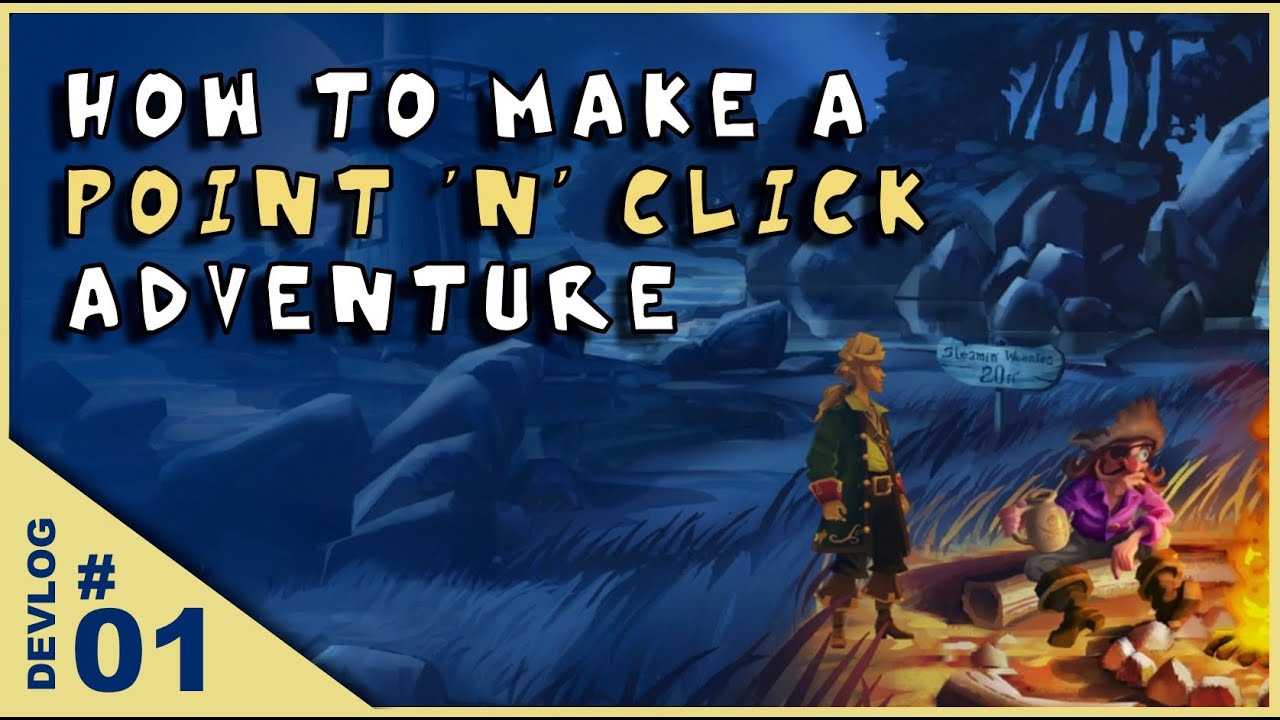


11 Best Point And Click Adventure Games To Play In 2026 Best Point And Click Adventure Games 1 1024x574 . How To Make A Point Click Adventure Game DEVLOG 1 YouTube . How To Make A Point And Click Adventure Game In Unreal Episode 6 . Unity How To Make A Point And Click Game Part 1 Making Sprites YouTube . How To Make A Point And Click Game In Scratch Tutorial YouTube

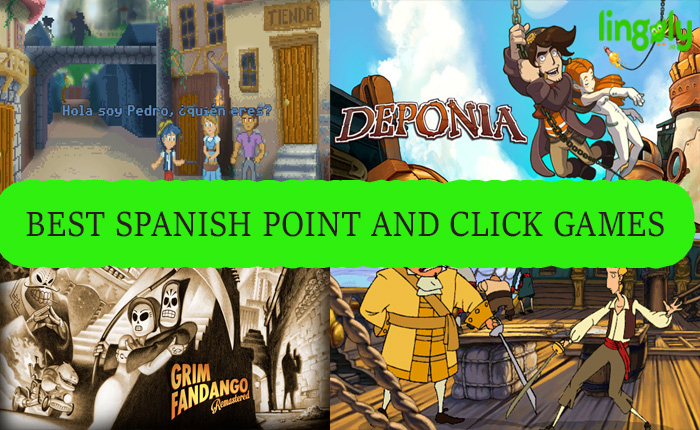


How To Make Point And Click Adventure Game In Java Part 1 Swing GUI . Top 5 Best Spanish Point And Click Games 2026 Lingoly Io Spasnih Point And Click Games . Unity Point And Click Game Tutorial Part 24 Level Design Tips YouTube . Making Point N Click Adventure Game In Godot YouTube . Point Click Adventure Game With Godot Tutorial Advanced Character

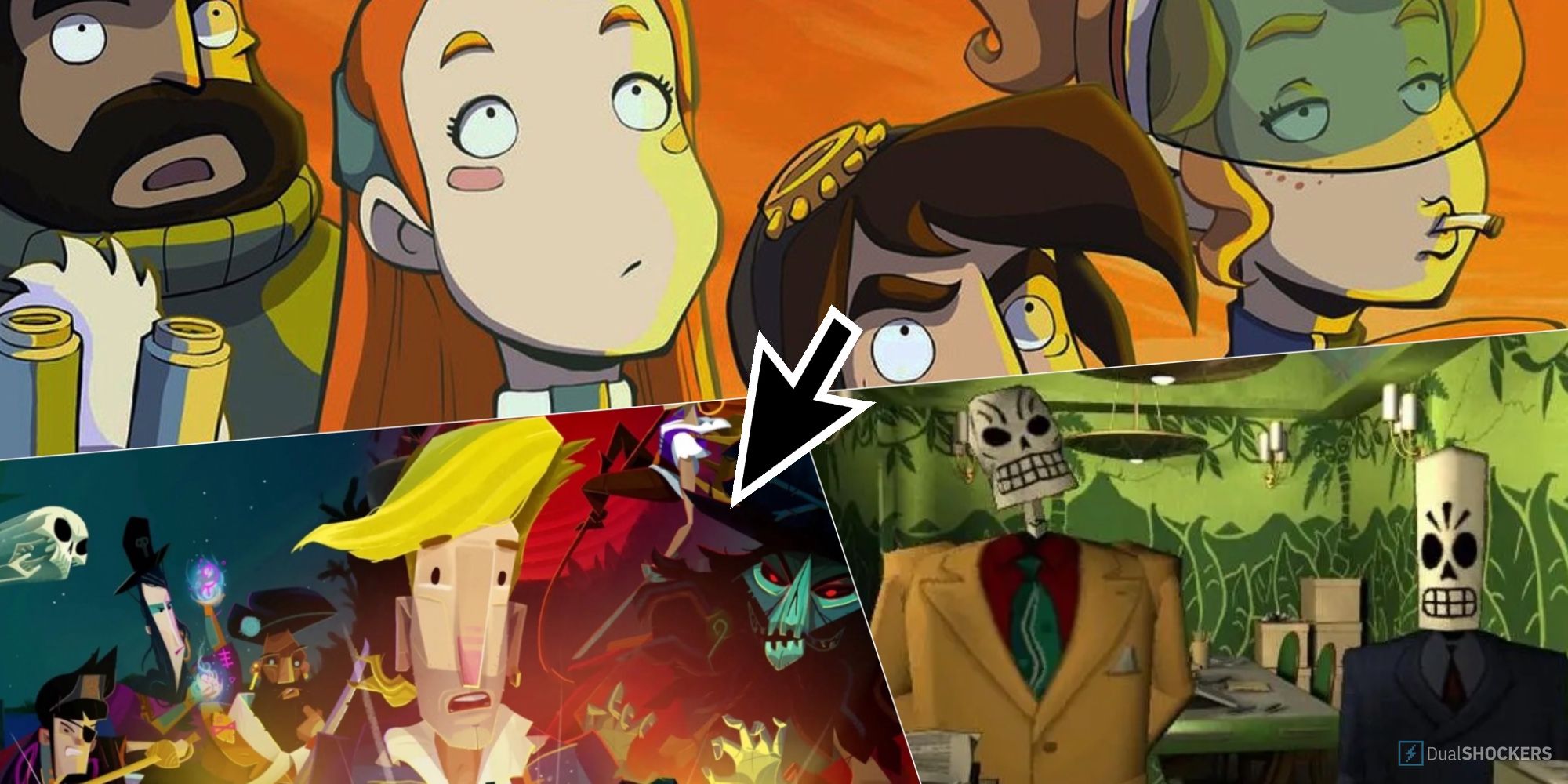

Point And Click Myst Like Game Maker Tutorial The Basics YouTube . How To Make An Adventure Point And Click Game With Unity Intro 1 12 . 12 Point And Click Games To Have On Your Radar In 2025 YouTube . 10 Puzzle Games That Need A Sequel Befenn Com Best Point And Click Games Deponie Monkey Island Grim Fandango . How To Create A Retro 2D Point And Click Adventure Game In UE4 R Gamedev WMYCpXMg2

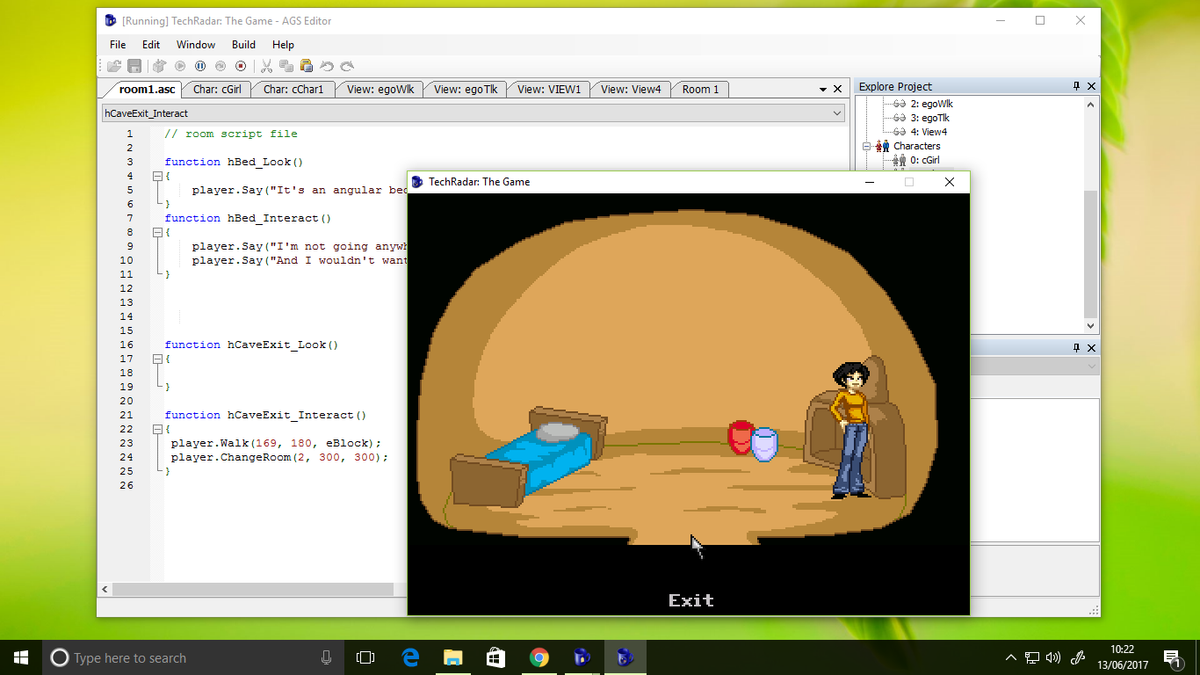
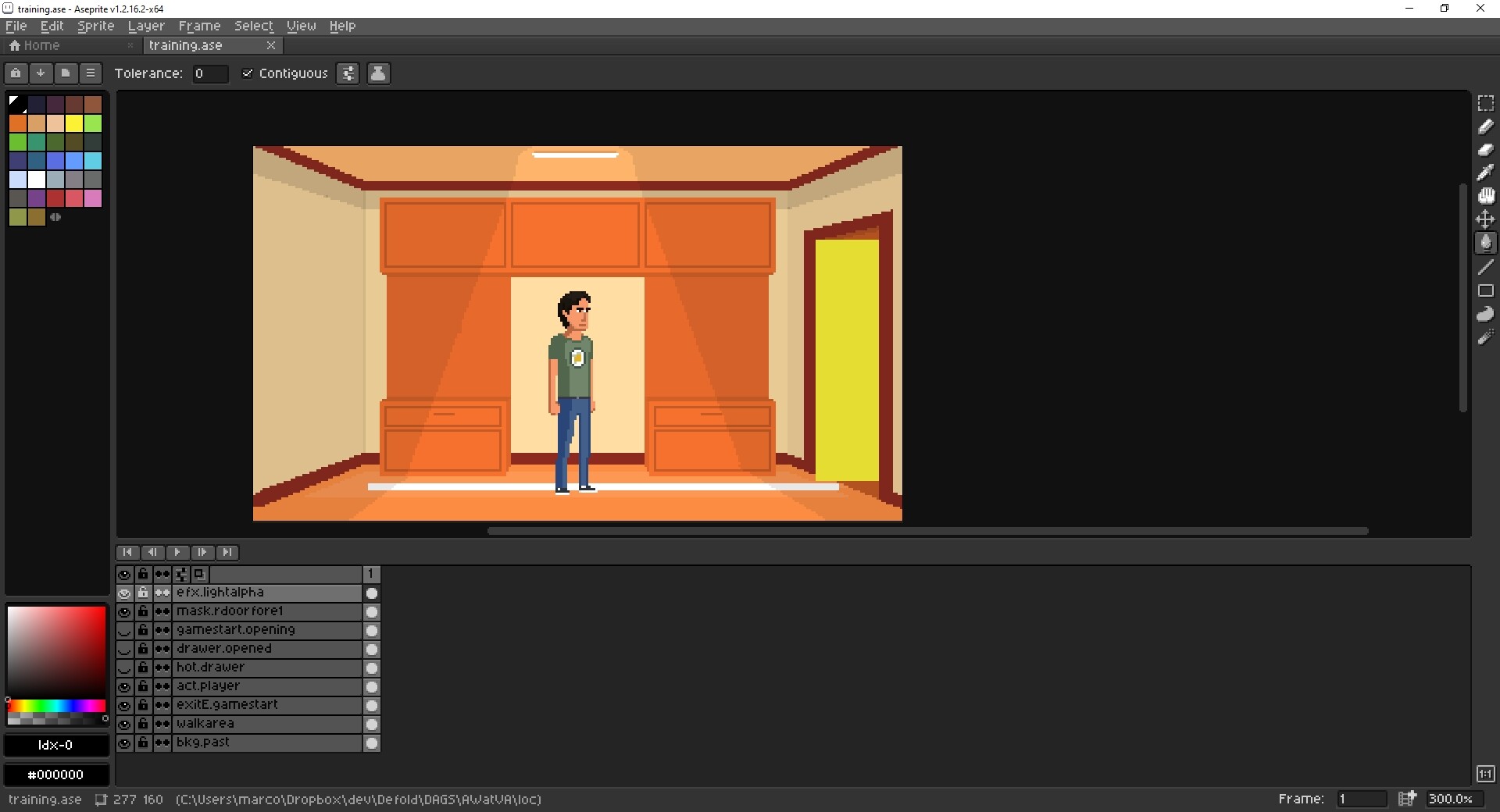
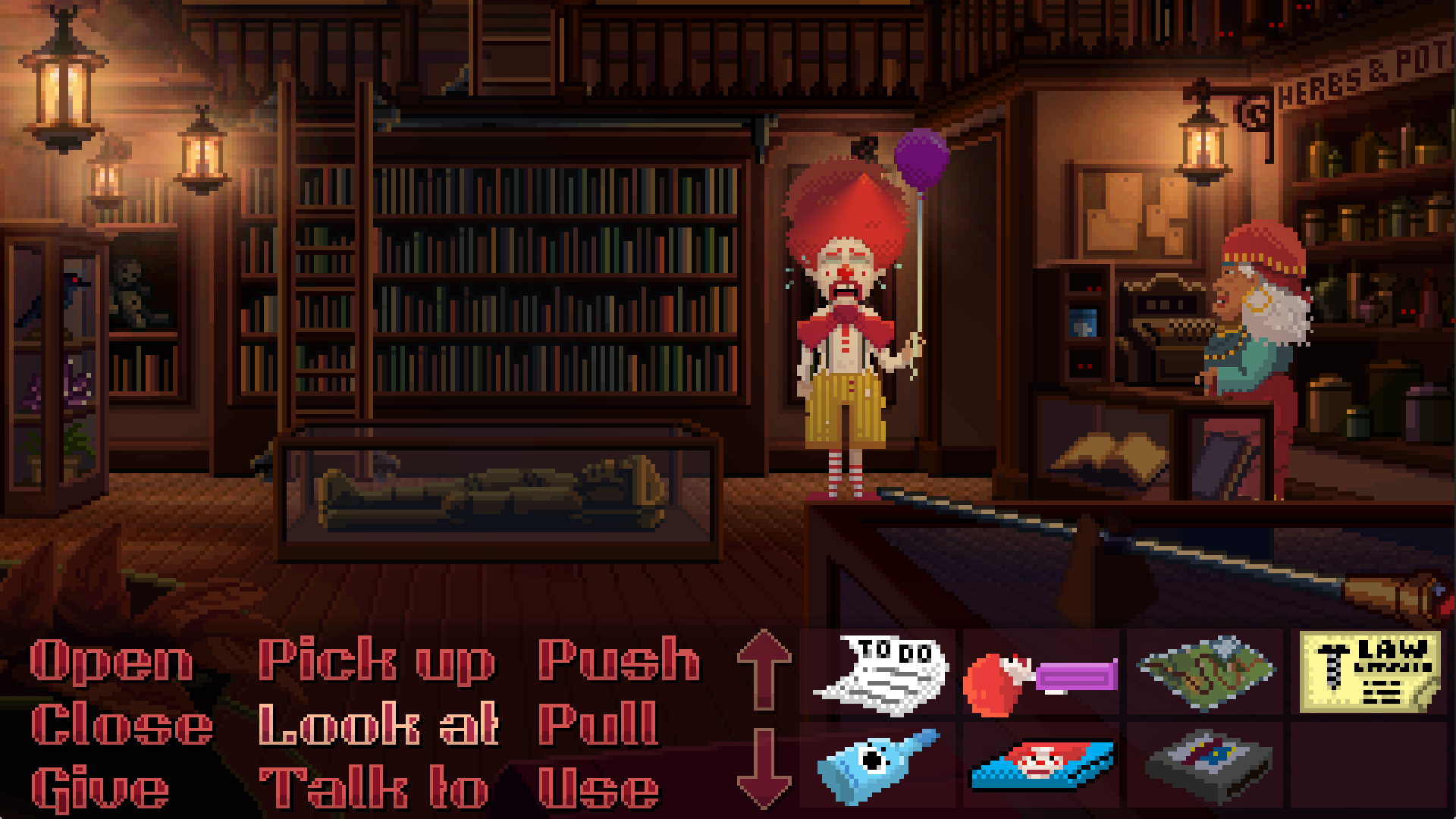

11 Point And Click Games To Get Excited About In 2024 YouTube . How To Create Your Own Point And Click Adventure Game TechRadar 1200 80 . Creating Point And Click Adventure Games Using Defold Ase Training . How To Create Your Own Point And Click Adventure Game TechRadar 1920 80 . Adobe Flash Pro Tutorials How To Make A Simple Point And Click Game



Part 1 How To Make A Point And Click Adventure Game Using Flash YouTube . How To Make A Point And Click Adventure Game Tle Apps Point And Click Game 300x180 . Learn How To Make Point And Click Game Mechanics With This New Series Learn How To Make Point And Click Game Mechanics With This V0 W6fyi LX8 . How To Create A Point And Click Game Main Leaf Games Low Poly Point And Click Games Cursor.webp. How To Create Your Own Point And Click Adventure Game TechRadar 840 80

How To Make An Adventure Point And Click Game With Unity Command Box . How To Create Your Own Point And Click Adventure Game TechRadar 840 80 . How To Create Your Own Point And Click Adventure Game TechRadar 500 80 . How To Create Your Own Point And Click Adventure Game TechRadar 500 80 . How To Create Your Own Point And Click Adventure Game TechRadar

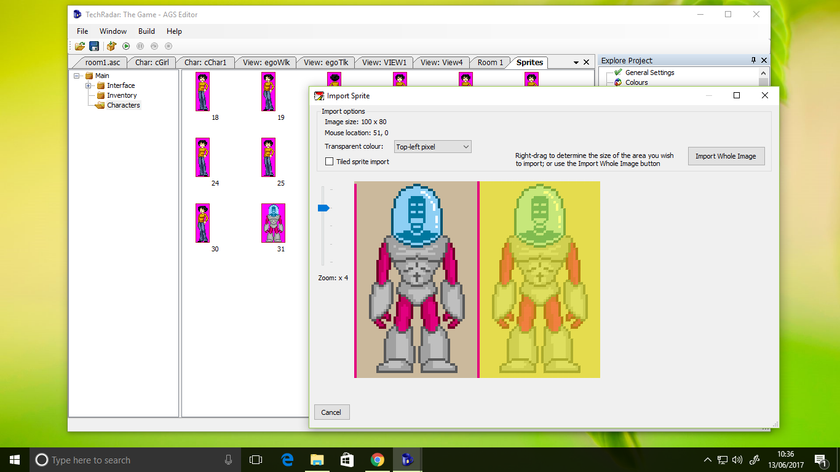
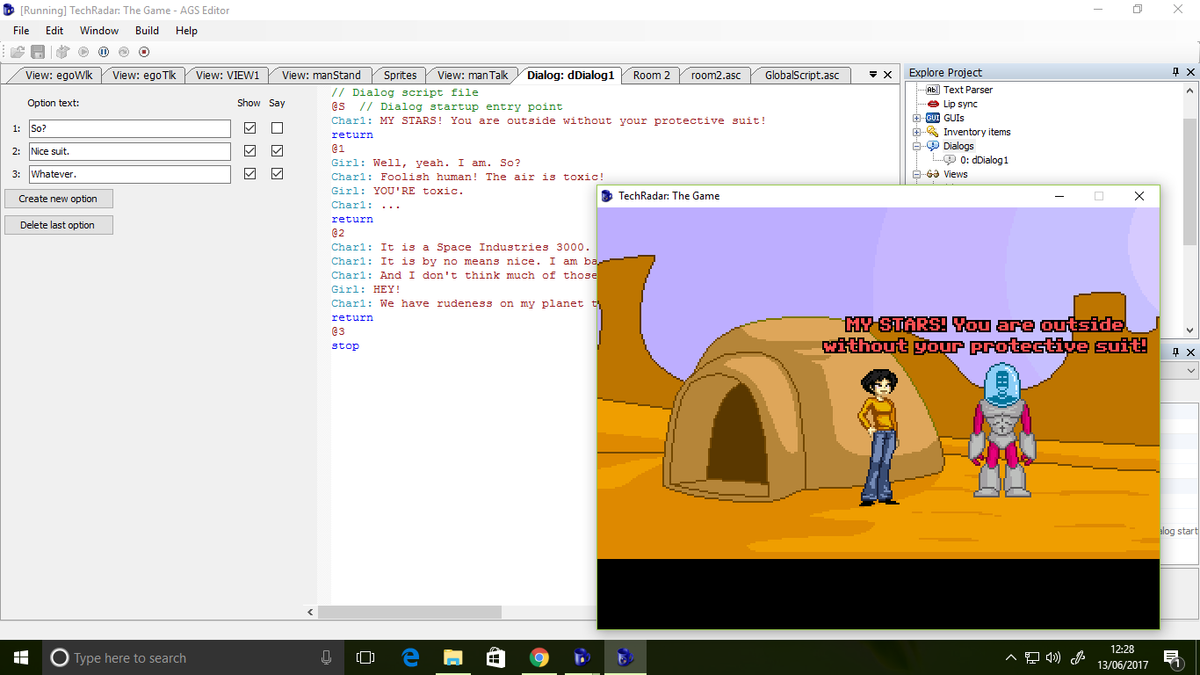
Top 15 Best Point And Click Adventure Games That Are Amazing Gamers 0 . How To Create Your Own Point And Click Adventure Game TechRadar 840 80 . Adventure Point And Click Tutorial Unity Introdu O YouTube . How To Create Your Own Point And Click Adventure Game TechRadar 840 80 . How To Create Your Own Point And Click Adventure Game TechRadar 1200 80