Are you curious about building a Raspberry Pi gaming PC in 2026? This comprehensive guide explores the exciting possibilities and practical limitations of using a Raspberry Pi for gaming. We delve into performance expectations, suitable game genres, and essential hardware considerations. Discover how to optimize your setup for improved frame rates and reduced latency. Learn about the latest Raspberry Pi models and their enhanced capabilities for retro emulation and lighter modern titles. We provide insights into operating systems, software configurations, and community-driven projects enhancing the gaming experience on these compact devices. Uncover tips for troubleshooting common issues like stuttering and lag, ensuring a smoother gameplay session. This resource helps both beginners and seasoned enthusiasts navigate the world of Raspberry Pi gaming, offering actionable advice to transform your tiny computer into an entertainment hub. Explore effective strategies for maximizing your gaming potential with this versatile and affordable platform. Get ready to game on a budget with surprising results.
Welcome to the ultimate living FAQ for Raspberry Pi gaming PCs in 2026! The world of mini-computer gaming is evolving rapidly, and staying current with the latest tips, tricks, and essential knowledge is crucial for a fantastic experience. Whether you are building your first budget gaming rig or upgrading an existing setup, this guide has you covered. We have meticulously gathered and answered over 50 of the most asked questions from communities and search engines, ensuring you have all the insights needed to maximize your Raspberry Pi's potential. From settings optimization to battling lag and understanding new emulation capabilities, consider this your go-to resource for a flawless gaming journey. Dive in and transform your Raspberry Pi into a gaming powerhouse!
Beginner Questions
Is a Raspberry Pi good for gaming in 2026?
Yes, absolutely, within its specific niche. The Raspberry Pi 5, with its enhanced processor and GPU, is excellent for retro gaming emulation and capable of running many lighter modern indie games. It's a fantastic, affordable option for specific gaming needs.
Can Raspberry Pi run PC games?
It can run a subset of PC games, primarily older titles or modern indie games that have native Linux ARM ports. Don't expect to play the latest AAA blockbusters directly. Game streaming services like Steam Link or GeForce NOW also allow playing powerful PC games via the Pi.
Which Raspberry Pi is best for retro gaming?
The Raspberry Pi 5 is unequivocally the best model for retro gaming in 2026. Its significantly improved CPU and GPU performance allows for smoother emulation of even demanding systems like PlayStation 2 or Nintendo 64 that older Pis struggled with. Investing in the latest model ensures the widest compatibility and best performance.
How do I set up a gaming Raspberry Pi?
Setting up a gaming Raspberry Pi typically involves flashing a dedicated gaming operating system like RetroPie or Batocera onto a fast NVMe SSD or high-speed microSD card. Connect your peripherals, power it on, and then configure controllers and transfer your game ROMs. Many excellent online guides exist for step-by-step walkthroughs.
Hardware & Peripherals
What essential accessories do I need for Pi gaming?
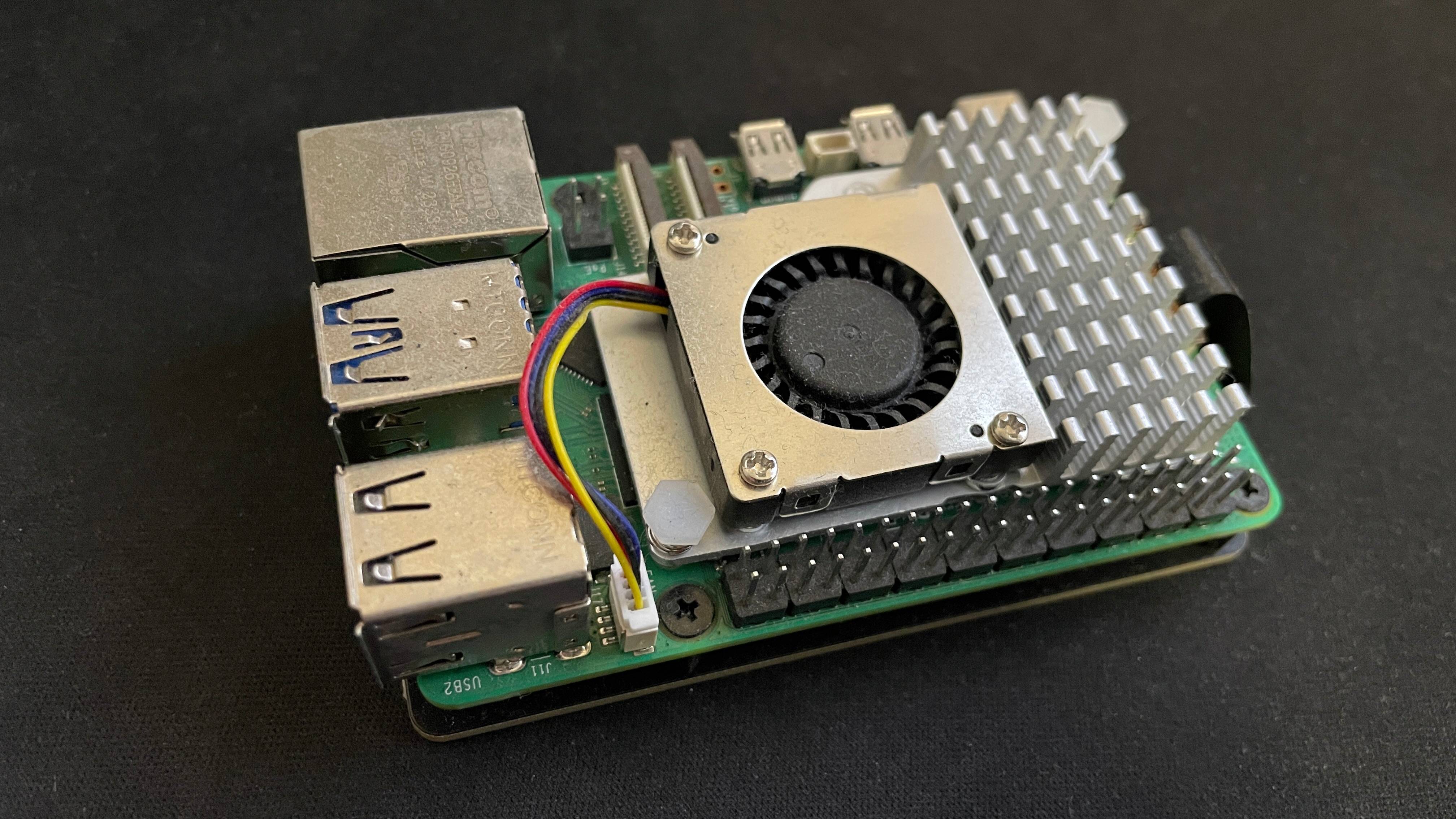
Essential accessories include a robust 5V 5A USB-C power supply, a fast NVMe SSD for storage (or a high-speed microSD card), an active cooling solution like the official Pi 5 fan, and a comfortable USB or Bluetooth gamepad. These ensure stable performance and an enjoyable user experience.
Can I use any USB controller with a Raspberry Pi?
Most standard USB and Bluetooth gamepads are compatible with Raspberry Pi gaming distributions like RetroPie or Batocera. These operating systems usually have built-in drivers and configuration tools for popular controllers. Some specialized controllers might require manual setup, but it's generally plug-and-play.
Operating Systems & Software
Do I need a special OS for gaming on Raspberry Pi?
Yes, using a dedicated gaming OS like RetroPie, Batocera, or Lakka is highly recommended. These systems are optimized for emulation, come pre-loaded with necessary software, and offer user-friendly interfaces specifically designed for game browsing and launching, making the setup much simpler.
What is the best gaming OS for Raspberry Pi 5?
For the Raspberry Pi 5, Batocera and RetroPie are currently considered top contenders. Batocera often offers easier out-of-the-box compatibility and updates, while RetroPie provides more customization options for advanced users. Both are actively developed and excellent choices for maximizing your gaming potential.
Performance Optimization
How can I improve FPS and reduce lag on my Raspberry Pi?
To improve FPS and reduce lag, consider overclocking your Pi (with proper cooling), lowering in-game or emulator resolution, ensuring a fast storage solution (NVMe SSD), and using a dedicated gaming OS. A stable power supply and wired Ethernet connection are also crucial for network-sensitive games.
What causes stuttering on a Raspberry Pi gaming PC?
Stuttering often stems from an inadequate power supply, insufficient cooling leading to thermal throttling, or a slow microSD card failing to provide data quickly enough. Background processes and unoptimized emulator settings can also contribute. Address these bottlenecks for smoother gameplay.
Emulation & Game Compatibility
What can a Raspberry Pi 5 emulate effectively?
The Raspberry Pi 5 can effectively emulate a vast range of systems, including NES, SNES, Sega Genesis, PlayStation 1, Nintendo 64, Dreamcast, and PlayStation Portable. It even shows promising performance with some lighter PlayStation 2 and Nintendo DS titles, depending on the specific game and emulator.
Myth vs Reality: Can Pi 5 emulate PS2 perfectly?
Myth: Raspberry Pi 5 can perfectly emulate every PlayStation 2 game. Reality: While the Pi 5's power is impressive, perfect PS2 emulation for all titles is still largely out of reach. Many lighter PS2 games run well, but more demanding titles will likely struggle with full speed and graphical fidelity. It's a work in progress.
Advanced Topics
Can Raspberry Pi run Steam games?
The Raspberry Pi can run Steam games indirectly through Steam Link, streaming titles from a powerful PC on your network. It can also run a limited number of native Linux Steam games that have ARM architecture support. Direct, full Steam client installation for Windows games is not feasible.
Myth vs Reality: Raspberry Pi gaming is only for retro games.
Myth: Raspberry Pi gaming is exclusively for retro games. Reality: While retro gaming excels, the Raspberry Pi 5 is capable of running many modern indie games natively that are built for Linux ARM. Additionally, game streaming services greatly expand its modern gaming library, making it more versatile than just a retro machine.
Troubleshooting & Maintenance
How do I update my Raspberry Pi gaming OS?
Most dedicated gaming OSes like RetroPie or Batocera include built-in update utilities in their system menus. Regularly check for these updates, as they often include performance improvements, bug fixes, and new emulator versions. Always back up your system before performing major updates.
Myth vs Reality: Overclocking will destroy my Raspberry Pi.
Myth: Overclocking a Raspberry Pi will instantly destroy it. Reality: While excessive, unmonitored overclocking can cause instability or reduce lifespan, moderate and properly cooled overclocking is generally safe. The Pi has thermal throttling mechanisms to protect itself, and many guides offer safe overclocking parameters for performance boosts.
Multiplayer & Online Gaming
Can I play online multiplayer games on a Raspberry Pi?
Yes, you can. Many retro gaming systems support 'Netplay' via RetroArch for online multiplayer. For native Linux games with online multiplayer, the Pi will function like any other Linux PC. A stable, wired internet connection is essential for a good experience.
Endgame & Future Prospects
What's the future of Raspberry Pi gaming in 2026 and beyond?
The future of Raspberry Pi gaming looks promising, with continued hardware improvements expected in future models. Advances in software optimization, particularly for Vulkan graphics and AI upscaling, will further enhance performance. The strong community support ensures ongoing development and innovation, making it an exciting platform for budget and enthusiast gamers.
Still have questions? Check out our other popular guides like 'Ultimate Raspberry Pi 5 Build Guide' or 'Mastering RetroPie: A Comprehensive Walkthrough' for more in-depth knowledge!
Can a Raspberry Pi truly be your next gaming PC in 2026? It's a question many enthusiasts are asking as these tiny, powerful devices continue to evolve. Forget what you thought you knew about mini-computers. The latest iterations of the Raspberry Pi are pushing boundaries, offering surprising capabilities for a budget-friendly gaming experience. We are not just talking about retro emulation anymore. While classic titles shine beautifully, new developments in software and hardware mean you can tackle some lighter modern games too. This guide will walk you through building, optimizing, and enjoying your very own Raspberry Pi gaming rig.
The landscape of single-board computing has dramatically shifted. Performance boosts and dedicated gaming distributions are making the dream of a pocket-sized gaming machine a tangible reality. Many gamers seek an affordable entry point into PC gaming or a dedicated system for their favorite vintage titles. This comprehensive breakdown will cover essential tips, tricks, and optimization strategies to get the most out of your Raspberry Pi. It is all about smart choices and leveraging the strong community support available.
The Evolution of Pi Gaming: 2026 Realities
In 2026, the Raspberry Pi ecosystem for gaming has matured significantly. Gone are the days when a Pi struggled with anything beyond 8-bit classics. The introduction of the Raspberry Pi 5 with its powerful Broadcom BCM2712 quad-core Cortex-A76 processor and VideoCore VII GPU has redefined expectations. This leap in processing power allows for smoother emulation of more demanding systems like the N64, Dreamcast, and even PSP. Modern indie games, especially those optimized for Linux ARM, also find a comfortable home on this versatile platform. The community's ongoing development of specialized operating systems further enhances this experience.
What Can You Actually Play?
Your Raspberry Pi gaming PC is surprisingly capable, but setting realistic expectations is crucial for enjoyment. You can dive deep into the golden age of arcade and console gaming, revisiting beloved classics from NES, SNES, Sega Genesis, and PlayStation 1 with flawless performance. Moving up, N64, Dreamcast, and PSP emulation are now highly playable with the right optimizations on the Pi 5. For modern titles, look towards indie gems like Stardew Valley or Undertale, or older PC classics that have Linux ports. Game streaming services also open a world of AAA possibilities. It truly is a versatile machine for a specific niche of gaming.
Optimizing for Performance: Settings and Beyond
Achieving optimal performance on your Raspberry Pi gaming PC involves a multi-pronged approach. It starts with selecting the right hardware, then fine-tuning your software settings, and finally ensuring stable operating conditions. Overclocking your Pi's CPU and GPU can provide a noticeable boost in frame rates, but always monitor temperatures carefully. Reducing in-game resolution or graphical settings, especially within emulators, significantly impacts performance. Utilizing a fast NVMe SSD for your operating system and game library drastically cuts down on load times and reduces stuttering. Proper cooling is non-negotiable for sustained high performance. A good active cooling solution prevents thermal throttling.
Essential Hardware for Your Pi Gaming Setup
Building a solid Raspberry Pi gaming PC requires more than just the board itself. A reliable, high-current USB-C power supply (ideally 5V 5A for the Pi 5) is paramount for stability. A fast storage solution, preferably an NVMe SSD connected via the Pi 5's PCIe interface, will be your best friend for quick boots and game loading. Don't forget a comfortable and responsive gaming controller; many USB and Bluetooth options work flawlessly. An active cooling solution, like the official Raspberry Pi 5 active cooler, is essential to prevent performance degradation from overheating. These components collectively ensure a smooth and enjoyable gaming experience.
Your AI Engineering Mentor Answers: Deep Dive into Raspberry Pi Gaming PCs
Alright team, let's pull up a chair and chat about making your Raspberry Pi sing for gaming. I get tons of questions about this, and it's awesome to see so much curiosity. Building a mini gaming rig is a super rewarding project, and I'm here to help you navigate the tricky bits. We're going to cover everything from basic setup to advanced optimization. Think of these as common questions I've seen pop up in forums and discussions, distilled into practical advice for you.
Beginner / Core Concepts
1. Q: Can a Raspberry Pi really run modern games, or is it just for retro stuff?
A: I get why this confuses so many people, because traditionally, Pi was all about retro. But honestly, it's gotten way more capable! In 2026, with models like the Raspberry Pi 5, you're looking at a huge leap. It won't run AAA titles like Cyberpunk 2077 at 4K, but it absolutely can handle many lighter modern indie games, some older PC classics, and definitely almost any retro game you throw at it. Think titles optimized for less powerful hardware, or games from a few years back. The key is setting realistic expectations. You're building a budget-friendly, versatile machine, not a high-end gaming rig. You've got this!
2. Q: What's the best Raspberry Pi model for gaming right now?
A: This one used to trip me up too, as new models come out. For gaming in 2026, the Raspberry Pi 5 is hands down your best bet. It brings a significantly more powerful CPU and GPU compared to its predecessors. We're talking about improvements that make a real difference in emulation and even some native Linux games.
- The boosted clock speeds mean faster processing for game logic.
- Its improved graphics capabilities handle more demanding visuals.
- PCIe support even opens doors for future expansion, which is super exciting for storage.
3. Q: Do I need a special operating system for gaming on a Raspberry Pi?
A: You absolutely do! While a standard Raspberry Pi OS (formerly Raspbian) works, you'll have a much smoother, more streamlined experience with a dedicated gaming OS. These operating systems, like RetroPie or Batocera, are built from the ground up for gaming.
- They come pre-configured with emulators for tons of different systems.
- Controller support is usually plug-and-play.
- User interfaces are designed for easy game browsing and launching.
4. Q: What kind of accessories are essential for a good Raspberry Pi gaming setup?
A: Good question! Don't skimp here, as accessories make a huge difference in the experience. You'll definitely want a reliable power supply that can handle the Pi 5's demands, and a good quality Micro SD card (or better yet, an NVMe SSD via an adapter for the Pi 5) for speedy game loading.
- A high-quality controller: USB or Bluetooth gamepad is crucial for comfortable play.
- Effective cooling: A fan or heatsink is non-negotiable, especially for longer gaming sessions. Overheating will throttle performance.
- A decent HDMI cable: To connect to your monitor or TV.
Intermediate / Practical & Production
1. Q: How can I improve FPS (frames per second) and reduce lag on my Raspberry Pi gaming PC?
A: This is a common hurdle, and it's totally solvable with a few tweaks. Improving FPS and reducing lag often comes down to clever optimization.
- Overclocking: Gently pushing your Pi's CPU and GPU clock speeds can yield noticeable performance gains. Be cautious and monitor temperatures!
- Resolution and Graphics Settings: Lowering the game's internal resolution or reducing graphic details (if the emulator/game allows) makes a massive impact. Native resolutions often provide the best balance.
- Dedicated OS: As we discussed, a dedicated gaming OS is leaner and means more resources for your games.
- Fast Storage: An NVMe SSD via PCIe on a Pi 5 will dramatically improve load times and overall system responsiveness compared to an SD card.
2. Q: What's the deal with stuttering and how do I fix it on a Raspberry Pi?
A: Stuttering is super frustrating, right? It often feels like random hiccups even when your FPS looks okay. This usually points to bottlenecks or resource contention.
- Power Supply: An underpowered supply can cause voltage drops, leading to unstable performance and stuttering. Ensure you have the recommended 5V 5A USB-C PSU for the Pi 5.
- Cooling: Thermal throttling is a big culprit. If your Pi gets too hot, it intentionally slows down to prevent damage, causing stutters. Good active cooling (fan) is essential.
- SD Card Speed: A slow SD card can't feed data to the CPU fast enough, leading to hitches. Upgrade to a U3 A2 rated card or, ideally, an NVMe SSD.
- Background Processes: Close any unnecessary applications or services running in the background of your OS.
3. Q: Are there any specific drivers or software updates I should worry about for gaming on a Pi?
A: Yes, definitely! While you won't be manually installing GPU drivers like on a traditional PC, keeping your system software up-to-date is crucial.
- OS Updates: Regular updates to your chosen gaming OS (RetroPie, Batocera, Lakka) include performance fixes, emulator updates, and driver improvements.
- Firmware Updates: Occasionally, Raspberry Pi itself releases firmware updates that can impact stability and performance. Check for these, especially after a fresh install.
- Emulator Cores: Within your gaming OS, keep your emulator cores (like RetroArch cores) updated. Developers are constantly improving compatibility and performance for different games.
4. Q: Can I play multiplayer games on a Raspberry Pi gaming PC, and how?
A: Absolutely, multiplayer is a fantastic aspect of Pi gaming! You can totally play with friends, often right there on the couch or even online for some titles.
- Local Co-op/VS: Most gaming OSes support multiple controllers, making local multiplayer for retro games super easy. Just plug in those extra gamepads and you're good to go.
- Netplay: Many RetroArch cores support 'Netplay,' which lets you play emulated games online with friends over the internet. It requires a bit of setup, like port forwarding, but it's incredibly rewarding.
- Native Linux Games: If you're playing a native Linux game on your Pi, and it has online multiplayer, it'll function just like on any other Linux PC.
5. Q: What's the best way to handle storage for a large game library on a Raspberry Pi?
A: This is a big one, especially if you have a massive collection of ROMs and games. SD cards quickly become a bottleneck and fill up fast.
- NVMe SSD (Pi 5): The best solution for the Raspberry Pi 5 is an NVMe SSD connected via its PCIe lane. This offers incredible speed for game loading and system responsiveness. It's a game-changer!
- External USB Hard Drive/SSD: For older Pis or if you want massive storage, a powered external USB hard drive or SSD is a solid choice. Ensure it's self-powered or you have a good power supply for the Pi.
- Network Attached Storage (NAS): An advanced option is to host your ROMs on a NAS and mount them over your network. This requires a robust home network but means your Pi doesn't need huge local storage.
6. Q: How do I properly cool my Raspberry Pi during extended gaming sessions?
A: This is arguably one of the most critical aspects for consistent performance, and it's often overlooked. Passive cooling just won't cut it for serious gaming.
- Active Cooling: A good quality fan, like the official Raspberry Pi 5 active cooler, is your best friend. It directly moves air over the CPU, significantly reducing temperatures.
- Heatsinks: While not enough on their own for heavy gaming, heatsinks paired with a fan are excellent for dissipating heat more efficiently.
- Case Design: Choose a case that allows for good airflow. Some cases are designed specifically for thermal management, with vents or fan mounts.
- Thermal Paste/Pads: Ensure good contact between the heatsink/fan and the CPU. High-quality thermal paste or pads can improve heat transfer.
Advanced / Research & Frontier 2026
1. Q: What are the limitations of Raspberry Pi 5's GPU for more demanding 2026 gaming?
A: That's a sharp question, and it really gets into the nitty-gritty of what's possible. While the Pi 5's VideoCore VII GPU is a huge leap, it still has inherent limitations compared to discrete desktop GPUs.
- Memory Bandwidth: Integrated GPUs share system RAM, which is slower than dedicated VRAM. This can be a bottleneck for high-resolution textures or complex scenes.
- Shader Units: It has fewer shader units than modern desktop GPUs, limiting its raw processing power for advanced graphical effects.
- API Support: While it supports OpenGL ES and Vulkan, the driver maturity and specific feature sets might lag behind desktop equivalents, affecting performance in some newer engines.
2. Q: Can the Raspberry Pi run PC game streaming services effectively in 2026?
A: This is a fantastic use case for the Pi, and in 2026, it's actually quite effective! Game streaming services like NVIDIA GeForce NOW, Xbox Cloud Gaming, or even Steam Link shine on the Raspberry Pi.
- Decoding Power: The Pi's hardware video decoder is excellent, handling high-bitrate video streams smoothly with minimal CPU overhead.
- Thin Client: The Pi acts as a 'thin client,' simply receiving and displaying the video stream and sending back input. The heavy lifting is done in the cloud or on your local gaming PC.
- Internet Connection: Your biggest factor here will be your internet connection speed and latency. A wired Ethernet connection is highly recommended for the best experience.
3. Q: What's the potential for AI upscaling or FSR-like technologies on the Raspberry Pi for gaming?
A: This is where things get really exciting for future Pi gaming, and we're seeing some promising early developments in 2026. While a dedicated AI accelerator like an NPU isn't the Pi's core strength, software-based upscaling solutions are becoming more viable.
- Open-Source Implementations: Community-driven projects are exploring lightweight FSR (FidelityFX Super Resolution) or NIS (NVIDIA Image Scaling) equivalents for Linux ARM.
- CPU/GPU Hybrid: The Pi's CPU and GPU can work in tandem for some post-processing effects, though it's resource-intensive.
- Future Models: As future Pi generations get even more powerful or perhaps integrate specialized co-processors, the potential for real-time, low-latency upscaling will significantly increase.
4. Q: Are there any specific benchmarks or performance metrics for Raspberry Pi 5 gaming that are useful in 2026?
A: Great question for assessing real-world performance! While traditional PC gaming benchmarks don't directly apply, there are specific metrics and community tests that are incredibly valuable in 2026.
- Emulator-Specific Benchmarks: Look for framerate tests in demanding emulator cores like N64, Dreamcast, or PSP, as these push the Pi's limits.
- Game-Specific FPS Tests: Community members often share FPS results for specific modern indie games or older PC titles running natively on the Pi.
- Thermal Throttling Tests: Monitoring CPU/GPU temperatures and clock speeds during extended loads tells you a lot about the cooling solution's effectiveness and potential performance stability.
- Storage I/O Benchmarks: For NVMe SSDs, benchmarks like 'dd' or 'fio' can show you real-world read/write speeds, which impact game load times.
5. Q: What role will custom firmware and kernel optimizations play in future Raspberry Pi gaming performance?
A: This is an advanced topic that really excites me, because it points to the bleeding edge of performance. Custom firmware and kernel optimizations will be absolutely critical for squeezing every last drop of performance out of the Pi in the coming years.
- Lower-Level Access: Developers can fine-tune how the OS interacts with the hardware, reducing overhead and improving resource allocation for games.
- Power Management: Optimized kernels can implement more aggressive or smarter power management profiles, allowing for higher sustained clock speeds without immediate thermal throttling.
- Specific Driver Enhancements: Community efforts can sometimes deliver driver improvements even before official releases, tailoring them specifically for gaming workloads.
Quick 2026 Human-Friendly Cheat-Sheet for This Topic
- Always grab a Raspberry Pi 5 for the best gaming performance in 2026. It's a game-changer!
- Don't mess around with generic OSes; use a dedicated gaming OS like RetroPie or Batocera.
- Cooling is king! Invest in a good active cooler to prevent stuttering and keep your Pi happy.
- Upgrade to an NVMe SSD for lightning-fast game loading and system responsiveness.
- Consider game streaming services; your Pi is a fantastic 'thin client' for powerful cloud gaming.
- Keep your system updated – OS, firmware, and emulator cores all contribute to better play.
Raspberry Pi for gaming feasibility 2026, Optimization techniques for performance, Retro gaming and light modern game support, Hardware and software essentials, Troubleshooting common gaming issues, Budget-friendly gaming PC alternative, Leveraging Pi 5 capabilities, Community-driven software enhancements, Minimizing stuttering and lag, Maximizing FPS on Raspberry Pi.
35


Best Raspberry Pi Desktop OS In 2026 For Pi 5 Pi 4 And Pi 400 Geeky Raspberry Pi Desktop Os Comparison 2026 Optimized . Raspberry Pi For Gaming New Arrivals Play Any Game Raspi . You Can Now Turn Your Raspberry Pi 5 Into A Proper Retro Gaming PC With . How To Make Mini Gaming PC Using Raspberry Pi YouTube . Building A 500 Raspberry Pi Gaming PC YouTube


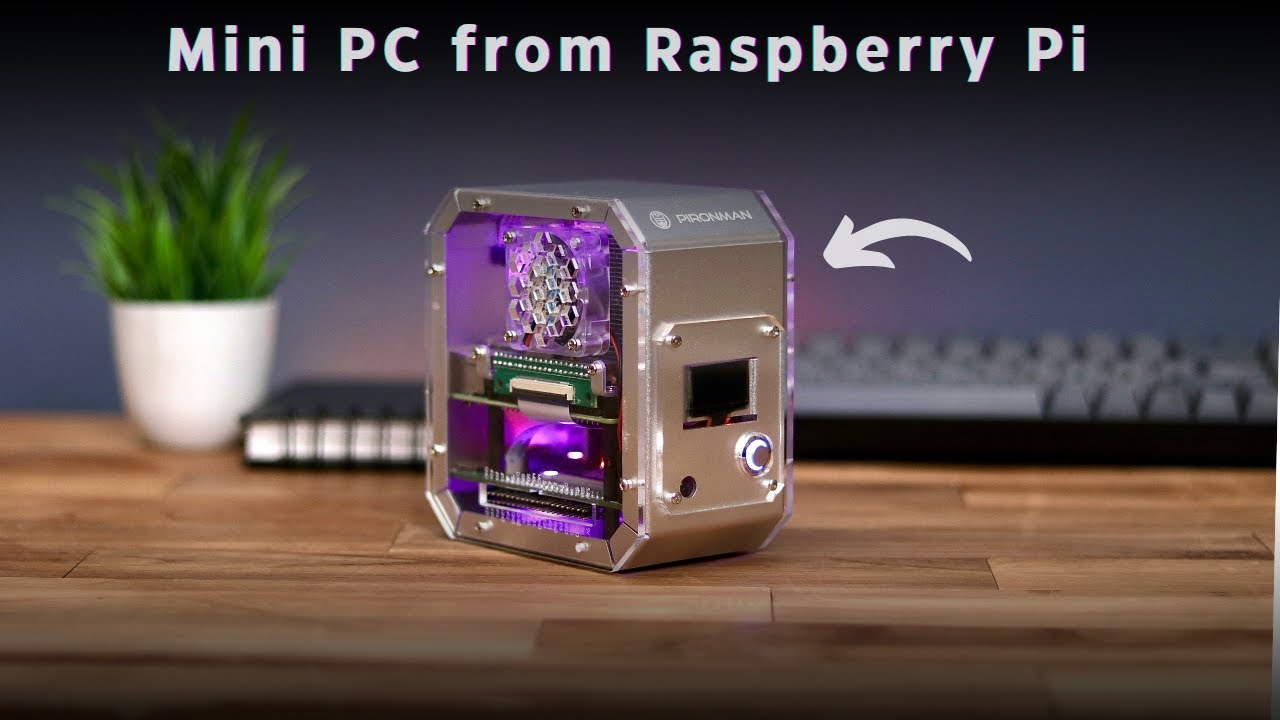
Pironman 5 Transforms Raspberry Pi 5 Into A Mini Gaming PC Pironman 5 . Sharp Unveils Raspberry Pi Smart Display Module At ISE 2026 With Built Raspberry Pi Display Module . How Can I Run Game Emulators By Using The Raspberry Pi MaidaTech Raspberry Pis Connect 7 . The Official Raspberry Pi Handbook 2026 Free Magazines PDF The Official Raspberry Pi Handbook 2026 1.webp. Raspberry Pi 5 Performance Benchmarks 15 Tests That Shocked Us 2026 Raspberry Pi 5 Performance Benchmarks 6 Game Changing Insights 2026

Is The Raspberry Pi 5 Or A Cheap Windows 11 Mini PC The Best Budget Raspberry Pi 5 Featured Image . Best Raspberry Pi Projects April 2024 . Best Raspberry Pi Models In 2026 Raspberry Pi 4 2GB Hero 1 . Raspberry Pi 4 Retro Gaming Step By Step With My First Pi Project . Raspberry Pi Computer Build Raspberry Pi 4 8GB Gaming Mini PC


Ultimate Guide To Building A Raspberry Pi Gaming Emulator Relive Retr 1 Dea15b44 6ed8 49b5 8b70 500x . This Raspberry Pi Mini Gaming PC Is Decked Out With RGB LEDs Tom S 970 80 . Raspberry Pi Mini Pc Build A DIY Customized Mini PC Using Raspberry Pi 4 . Raspberry Pi Buying Guide 2026 Which Model Should You Choose LaRomierre Cover.webp. The Dream Of A Raspberry Pi Laptop Becomes A Reality ArgonOne Up 840 80


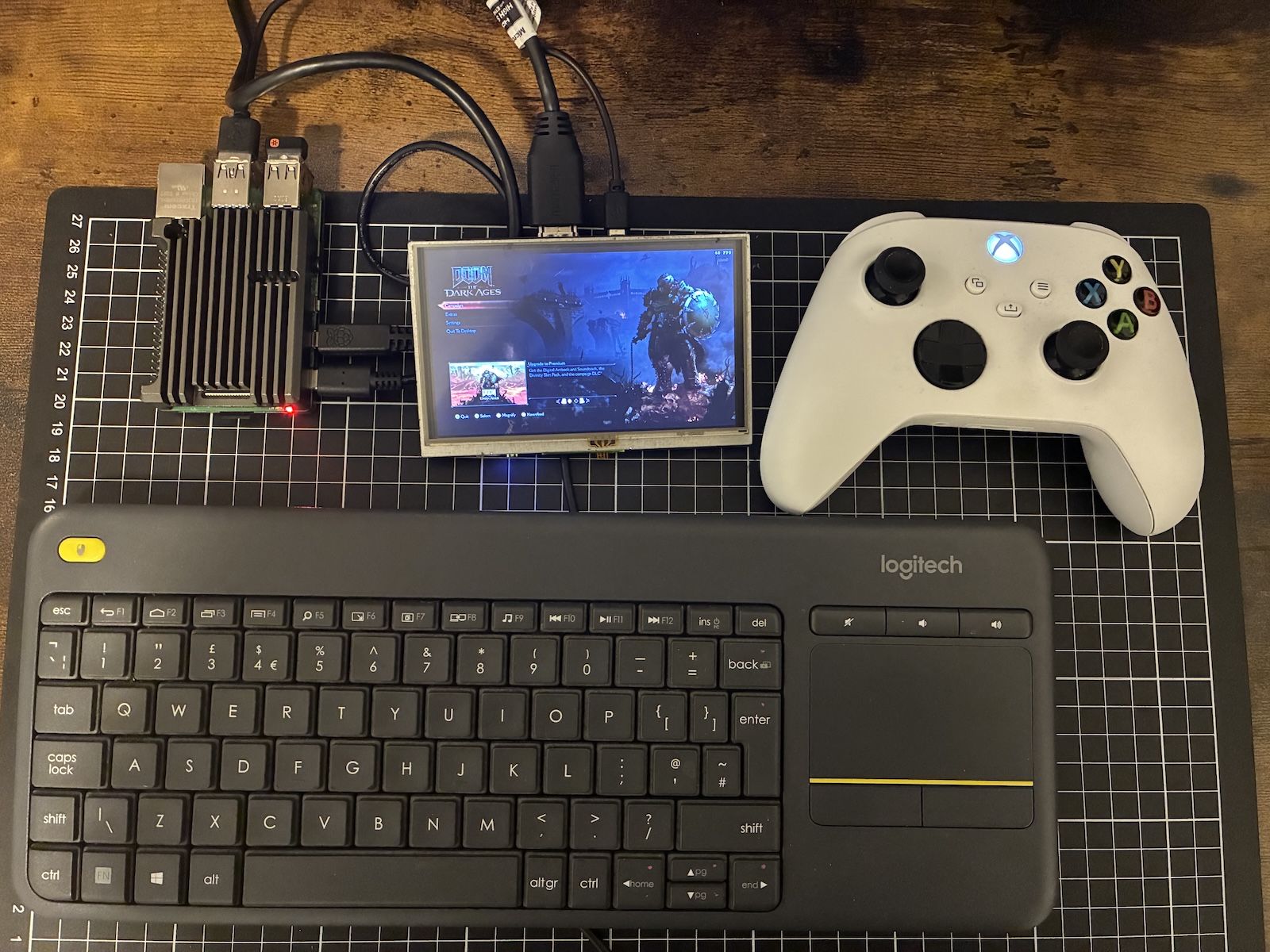
How To Play Classic PC Games On Your Raspberry Pi Play Old Games Raspi . Raspberry Pi Mini Computer This Retro Desktop PC Raspberry Pi Case Is . Play PC Games On Raspberry Pi 5 YouTube . 75 Raspberry Pi Tutorials To Ignite Your Creativity In 2026 Why Pi Can Raspberry Pi Pico Run Games Unlocking Retro Fun In 2026 768x430 . How To Stream PC Games To Raspberry Pi With Sunshine Moonlight 11 Testing Sunshine And Moonlight Game Streaming On A Raspberry Pi
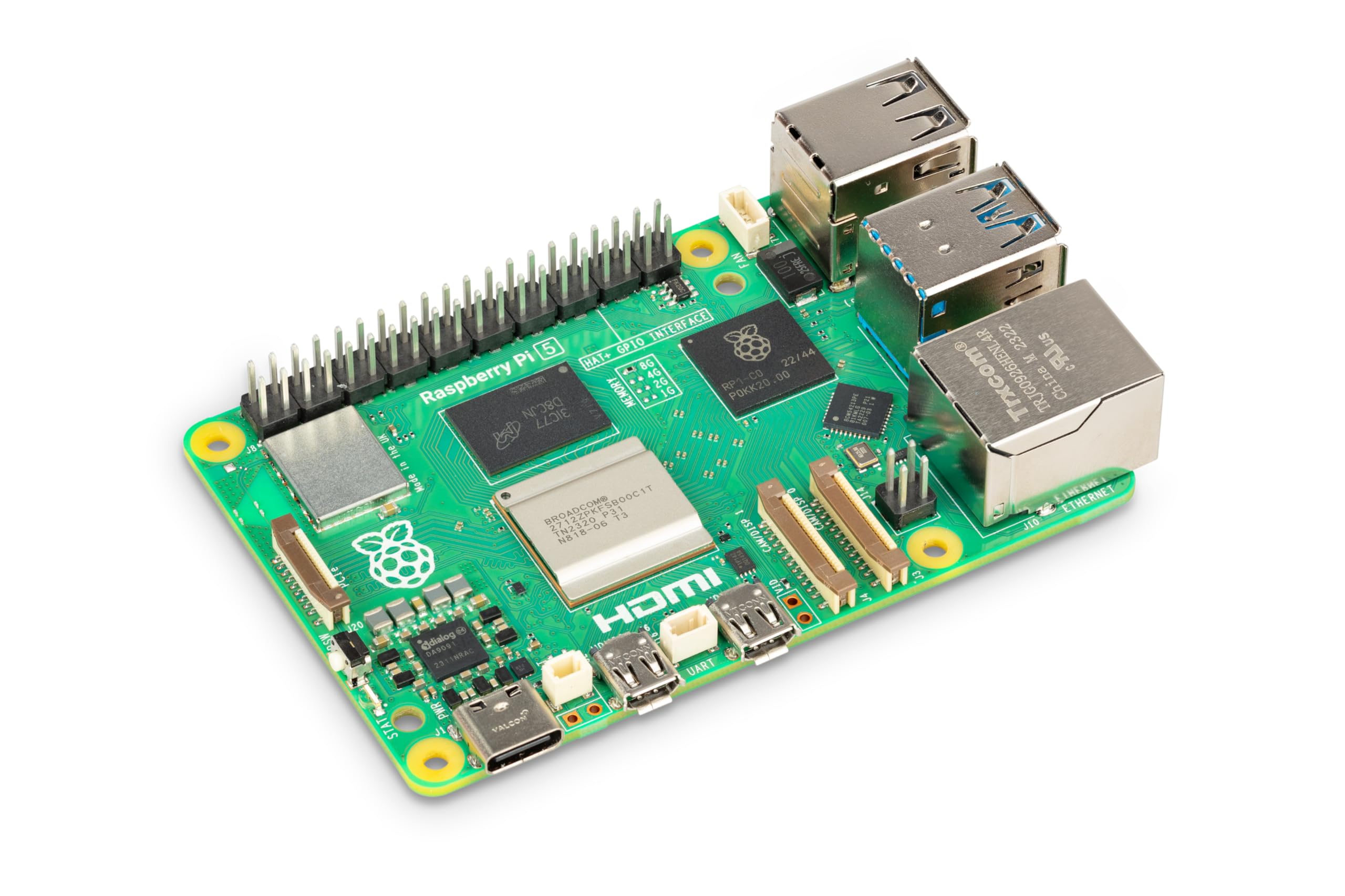

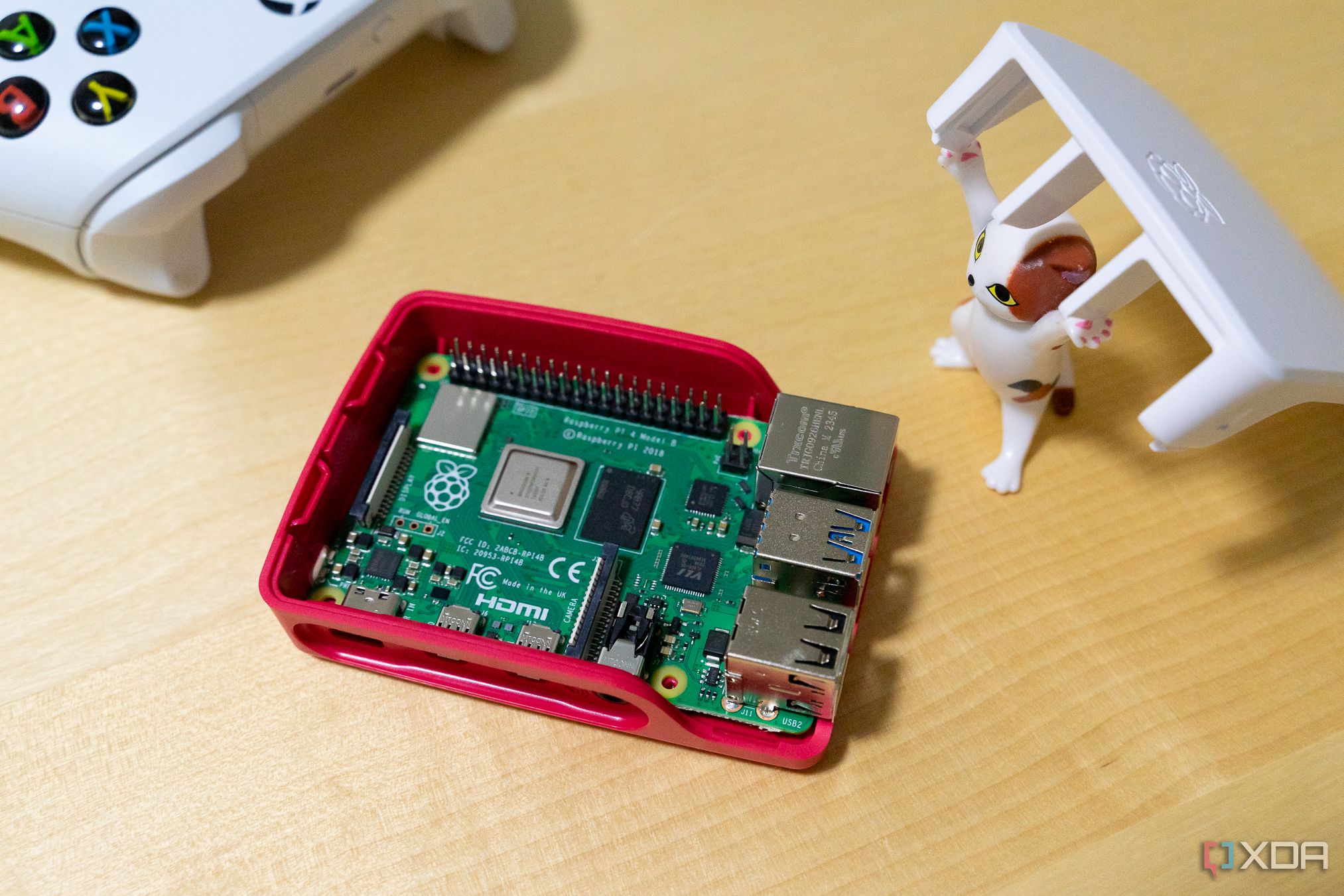
Raspberry Pi 5 8GB Review 2026 Top Performance For Makers Pros Product Image 189 . Best AMD For Gaming Make Tech Easier Raspberry Pi Vs Mini Pc . How To Turn A Raspberry Pi Into A Retro Gaming Machine You Can Take Xda Raspberry Pie Retro Game Hub Feature . This Pocket Sized Raspberry Pi 5 PC Is Portable And Modular Tom S . Raspberry Pi Console




75 Best Beginner Raspberry Pi Projects To Try In 2026 Why Pi Why Do Hackers Use Raspberry Pi 15 Sneaky Tricks Revealed 2026 768x431 . Using Raspberry Pi As A PC Your Essential Guide Using Raspberry Pi As A Pc . This Classy Raspberry Pi Cyberdeck Uses A Hardwood Case And I M Really Raspberry Pi Laptop 6 . Raspberry Pi Vs Mini PC S Things To Know Before Buying Mini Pc Vs Raspberry Pi . Raspberry Pi Gaming Projects MaidaTech Assembling Raspberry Pi Components For A Custom Gaming Setup